State AI Laws Multiply as Trump Administration Pushes National Standard Over Local Regulation


3 Sources
[1]
Trump wants to stop states from regulating AI. This Utah Republican isn't listening
RIVERTON, Utah (AP) -- When a dozen Republican activists gathered on a back deck in the Salt Lake City suburbs to talk about this year's elections, the conversation cycled through all the staples of conservative chatter in Utah such as dwindling water supplies, illegal immigrant fraud and chemtrail
[2]
Trump's campaign to preempt state AI regulation faces resistance from states and Congress alike
In short: The Trump administration is waging a multi-front campaign to prevent states from regulating AI, using a DOJ litigation task force, Commerce Department evaluations of "burdensome" state laws, and a legislative framework urging Congress to preempt state-level regulation with a "minimally
[3]
Trump Wants to Stop States From Regulating AI. This Utah Republican Isn't Listening
RIVERTON, Utah (AP) -- When a dozen Republican activists gathered on a back deck in the Salt Lake City suburbs to talk about this year's elections, the conversation cycled through all the staples of conservative chatter in Utah such as dwindling water supplies, illegal immigrant fraud and chemtrail
Share
Copy Link
The Trump administration is waging a multi-front campaign to block state-level AI regulations, deploying legal threats and funding penalties to enforce a single national standard for artificial intelligence. But states aren't backing down—over 1,000 AI bills have been introduced across legislatures, with former tech employees turned lawmakers leading the charge for stronger local protections despite White House opposition.
Trump Administration Deploys Federal Preemption Strategy Against State AI Regulation
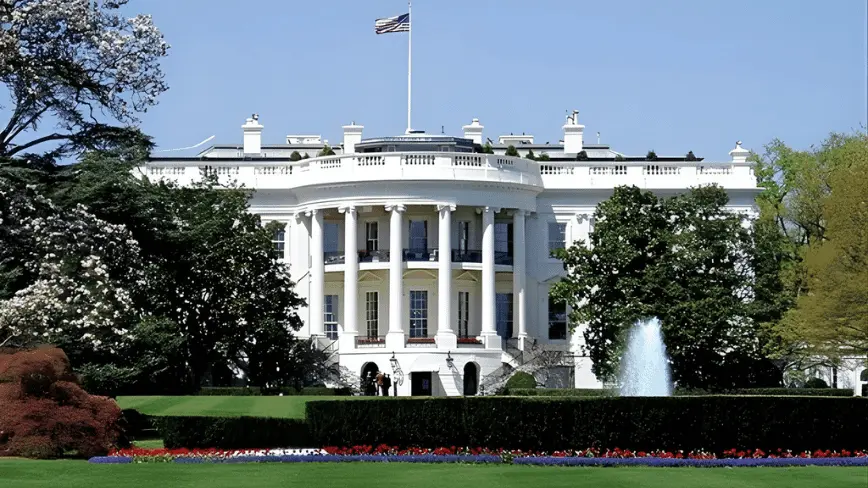
The White House has launched an aggressive campaign to prevent states from implementing their own AI regulation, arguing that a patchwork of state laws could handicap American innovation in the global race against China
1
. The strategy centers on establishing a national standard for AI through three coordinated mechanisms: an Executive Order creating a Department of Justice litigation task force to challenge state AI laws in federal court, a Commerce Department evaluation identifying "burdensome" state regulations, and a legislative framework urging Congress to preempt state-level AI regulations2
.
Source: The Next Web
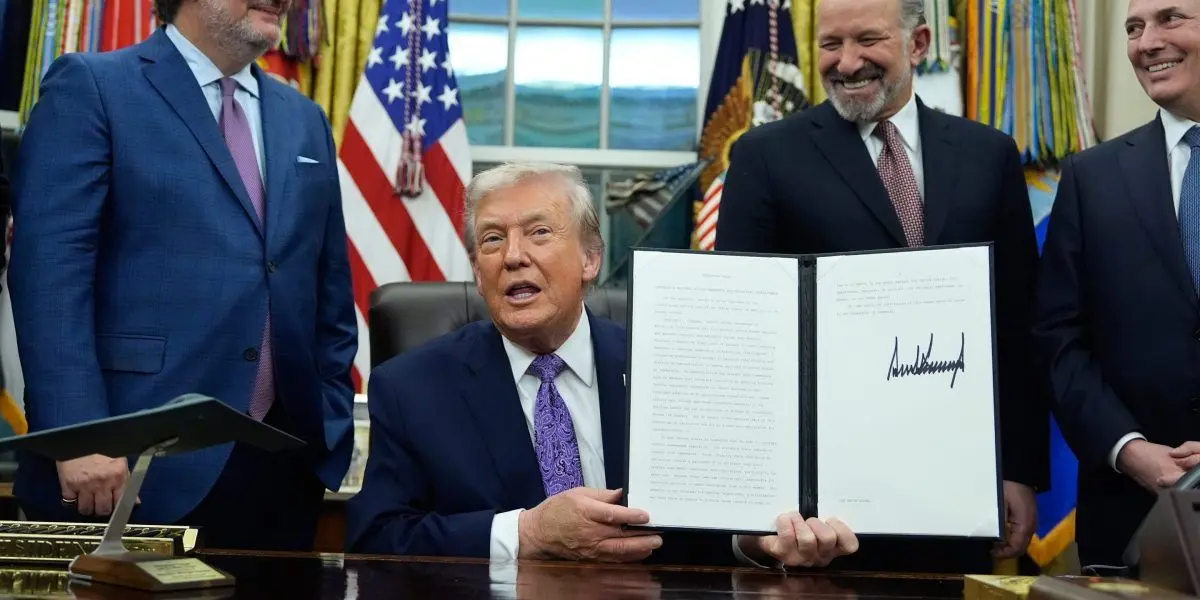
Donald Trump issued Executive Order 14365 in December 2025, which became operational in January 2026 and includes legal threats and funding penalties to deter new state regulations
1
. The Commerce Department's March evaluation specifically flagged laws in Colorado, California, and New York for scrutiny, feeding into the litigation task force expected to begin filing federal challenges by summer 20262
. The administration's National Policy Framework for AI, released in March, explicitly states that "Congress should preempt state AI laws that impose undue burdens to ensure a minimally burdenable national standard consistent with these recommendations, not fifty discordant ones"2
.Utah Republican Leads States' Rights Push on Artificial Intelligence Oversight
Doug Fiefia, a first-term Republican state representative from Utah and former Google employee, has emerged as a prominent voice resisting federal preemption of state AI regulation. Fiefia introduced House Bill 286, the Artificial Intelligence Transparency Act, which would have required frontier AI companies using at least 10^26 floating-point operations to publish safety plans and AI child safety protocols, with whistleblower protection for employees reporting concerns
2
. The bill passed a House committee unanimously before the White House killed it in February2
.
Source: AP
On February 12, the White House Office of Intergovernmental Affairs sent a letter to Utah Senate Majority Leader Kirk Cullimore Jr. stating they were "categorically opposed to Utah HB 286 and view it as an unfixable bill that goes against the Administration's AI Agenda"
2
. Fiefia's response emphasized states' rights principles, arguing it was especially important to stand up when a fellow Republican was in power to demonstrate the principle was not partisan2
. Now running for state senator, Fiefia has made regulating the tech industry a centerpiece of his campaign, telling Republican activists that AI "is coming, it's here and it's going to be our biggest fight"1
.Over 1,000 State Legislative Proposals Reflect Public Demand for AI Innovation Oversight
Despite the administration's efforts, state AI laws continue accelerating. In 2025 alone, 1,208 AI bills were introduced across state legislatures, with 145 enacted—a dramatic increase from fewer than 200 introduced in 2023
2
. This surge reflects widespread public concern: about 8 in 10 people in the United States said they were "concerned" or "very concerned" about AI in a Quinnipiac poll, with about three-quarters saying government is not doing enough to regulate the technology1
. Roughly 9 in 10 Democrats and 6 in 10 Republicans wanted more government involvement3
.Popular proposals include forcing chatbots to remind users they are not human and barring the use of AI to make nonconsensual pornography, including deepfakes that replace or remove clothing from photos posted online
1
. The most significant regulations have passed in California and New York, focusing on risk disclosure of catastrophic scenarios such as AI-controlled meltdown of nuclear plants or AI models refusing to heed human direction1
. Democratic-controlled New York required major AI developers to report dangerous incidents to the state .Related Stories
Former Big Tech Employees Battle Lobbyists as State Lawmakers
Fiefia is part of a loose network of former tech employees turned state lawmakers trying to meet demand for stronger state-level AI regulations. He co-chairs the AI task force of the Future Caucus with Monique Priestley, a Vermont Democrat who also worked in tech
3
. The group uses video conferences and group chats to share ideas for new proposals and deal with industry opposition. Priestley said 166 of Vermont's 482 registered lobbyists weighed in on her data privacy bill last year, which was ultimately vetoed by the governor3
."It's like you're running around against an army of full-time lobbyists," Priestley said, noting that like many state lawmakers, she works a separate full-time job
3
. Alex Bores, a former data scientist at Palantir who quit after it signed a deal to help the first Trump administration with immigration enforcement, is also a member of the AI task force and wrote the New York bill signed into law last year3
.Bipartisan State Pressure Builds Despite Congressional Inaction
With no progress in Congress on federal AI legislation, state lawmakers are struggling to address concerns about a technology poised to reshape the economy
1
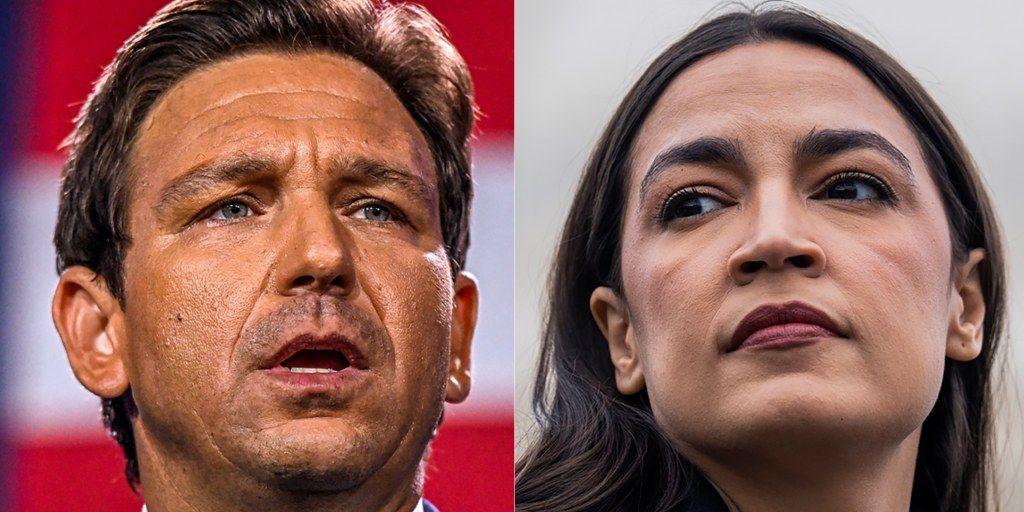
. Pressure exists in Republican-led states too. Florida Republican Gov. Ron DeSantis added AI to a special legislative session, pushing a bill to implement parental controls for minors using AI and prohibit systems from using anyone's likeness without permission1
. The bill fell short in the state House after overwhelmingly passing the state Senate, while AI bills in Republican-controlled Louisiana and Missouri stalled due to Trump administration resistance .Craig Albright, senior vice president for government relations for the Business Software Alliance representing software companies, observed that "there's a lot of state lawmakers looking at what the federal government is doing and saying, 'We want to take action because we're not satisfied'"
3
. Congress has rejected federal preemption twice, including a 99-1 Senate vote to strip an AI moratorium from the One Big Beautiful Bill Act2
. Legal challenges from the DOJ litigation task force are projected to take two to three years to resolve, leaving the immediate regulatory landscape in flux as states continue advancing their own protections2
.References
Summarized by

Navi
[2]
Related Stories
States Push AI Regulation Forward Despite Trump's Executive Order Warning
14 Jun 2026•Policy and Regulation
Trump's Executive Order Targets State AI Laws, Sparking Bipartisan Pushback and Legal Uncertainty
08 Dec 2025•Policy and Regulation
GOP Proposes 10-Year Ban on State AI Regulation in Budget Bill
13 May 2025•Policy and Regulation

Recent Highlights



Recent Highlights
Today's Top Stories





Don’t drown in AI news. We cut through the noise - filtering, ranking and summarizing the most important AI news, breakthroughs and research daily. Follow topics that matter to you and stay ahead.


