AI Glasses Cheating Incidents Expose Security Gaps in South Korean Exams Ahead of CSAT


3 Sources
[1]
AI glasses raise cheating fears ahead of CSAT, putting teachers under pressure - The Korea Times
The National Union of Secondary Teachers petitioned for additional inspection staff, clearer dispute procedures and improved working conditions for CSAT proctors. A crackdown on cheating using artificial intelligence (AI)-powered smart glasses is raising concerns over mounting pressure on teachers
[2]
2 caught cheating using AI glasses during college entrance exams - The Korea Times
Two college applicants were caught cheating this month by wearing prohibited artificial intelligence (AI) glasses while taking college entrance exams at two different schools in Seoul, sources said Tuesday. According to the sources, a test-taker at Yonsei University in western Seoul wore normal
[3]
AI glasses that can show answers on the lens turn up at South Korean university entrance exams
A student was caught wearing AI-powered smart glasses during Yonsei University's mathematics essay entrance exam in Seoul on Oct. 10, a week after a similar case at the University of Seoul. A proctor spotted the device during the exam for natural sciences and integrated-track applicants for the
Share
Copy Link
Two students were caught cheating using AI-powered smart glasses during college entrance exams at Yonsei University and University of Seoul in October 2024. The incidents have prompted South Korea's Ministry of Education to implement stricter inspection protocols ahead of the College Scholastic Ability Test, placing mounting pressure on teachers tasked with detecting these devices.
Students Caught Using AI Glasses at Major Universities
Two separate cheating incidents involving AI glasses at prestigious South Korean universities have exposed critical security vulnerabilities in high-stakes testing environments. On October 10, a student at Yonsei University was caught wearing AI-powered smart glasses during a mathematics essay entrance exam for the 2027 academic year
3
. A week earlier, on October 3, the University of Seoul reported a similar case during a natural sciences essay exam2
. In both instances, students wore regular glasses during initial ID checks and switched to smart glasses after receiving test papers, successfully evading pre-exam inspections by exam supervisors.The Yonsei University incident occurred during an exam that drew 14,452 applicants competing for just 288 places—approximately 50 applicants per place
3
. A proctor spotted the device during the exam and confiscated it immediately. The student admitted to using the AI glasses, prompting the university to open an investigation and consider follow-up measures including a possible criminal complaint. The University of Seoul took swift disciplinary action, immediately removing the applicant from the exam room and imposing a three-year ban from taking its entrance exams.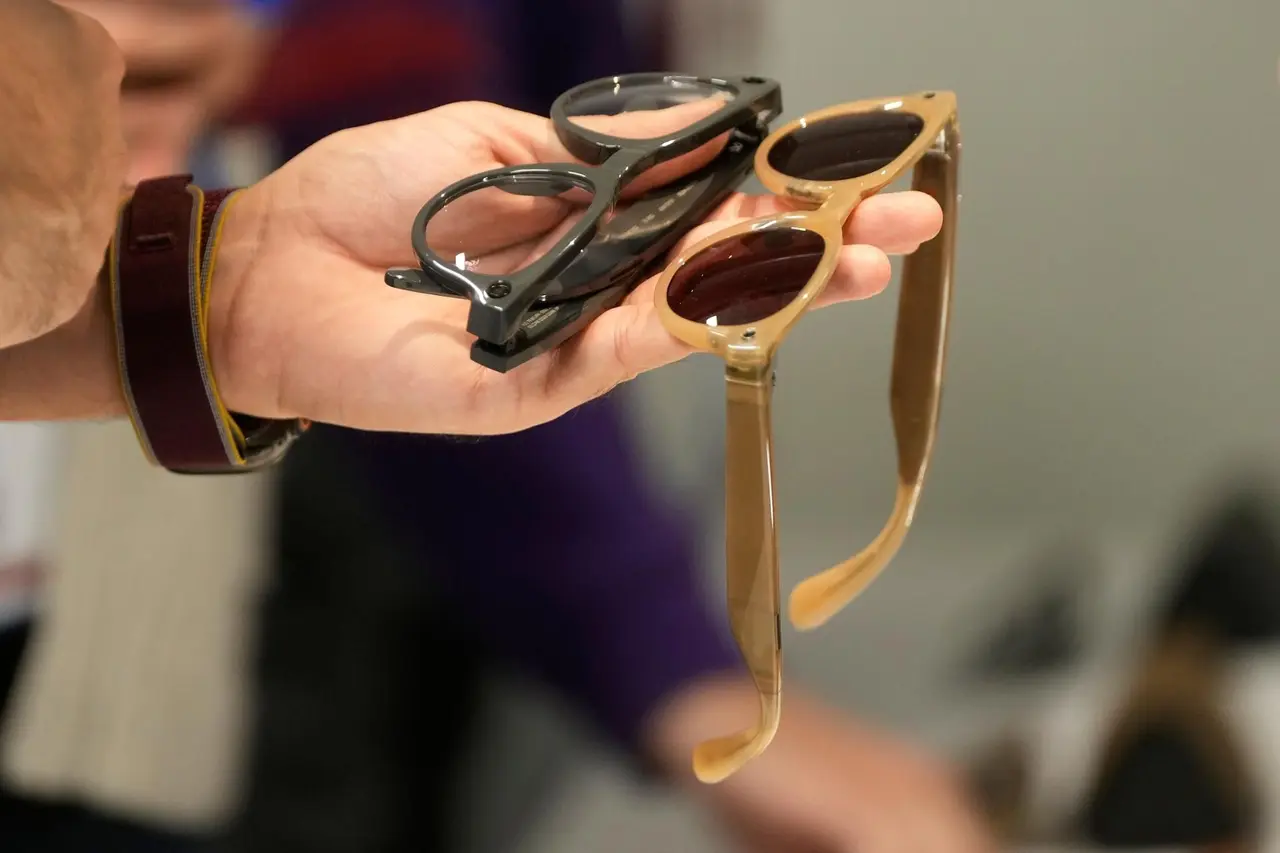
Source: Korea Times
How AI-Enabled Cheating Devices Work
AI glasses used for cheating during college entrance exams typically feature a tiny camera embedded in the frame that scans exam questions and connects to AI services such as ChatGPT and Gemini
3
. These AI-enabled cheating devices display step-by-step solutions directly on the lenses, giving students an unfair advantage. According to Kim Yun-hwan, a cram school essay instructor who demonstrated the technology in a YouTube video posted in August, the devices are particularly effective for mathematics and science problems that have straightforward solutions and numerical answers, though they remain awkward for Korean language and social studies essays.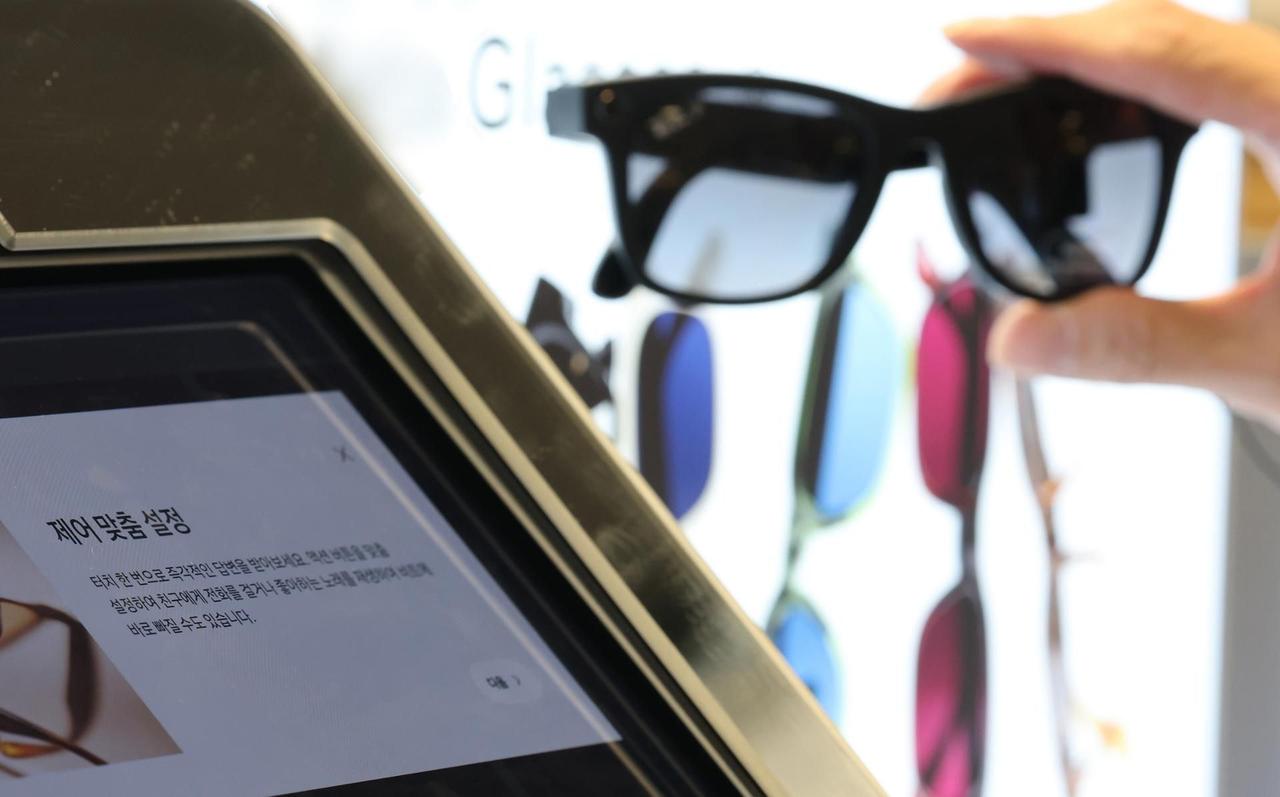
Source: Korea Times
The challenge for academic integrity lies in detection—AI glasses closely resemble ordinary eyewear and are difficult to identify through visual inspections alone
1
. This isn't South Korea's first encounter with AI-assisted cheating. Three TOEIC test-takers were caught using AI glasses in May and June 2024, and in June, prosecutors in Gwangju summarily indicted a man in his 40s for using the devices during a fire protection engineer certification exam in May—marking the first legal action involving AI glasses in South Korea3
.Stricter Protocols Ahead of College Scholastic Ability Test
With the College Scholastic Ability Test (CSAT), known as Suneung, scheduled for November 19, the Ministry of Education has implemented tougher measures to prevent AI-assisted cheating
1
. Exam supervisors will be required to inspect all test takers wearing glasses before each session. Under the new rules, even possessing smart glasses without using them will be considered cheating. Violators will have their exam results invalidated and be barred from taking Suneung the following year.Education Minister Choi Kyo-jin confirmed during a parliamentary audit on October 7 that the ministry plans to disqualify anyone caught with the prohibited devices at the CSAT and bar them from the following year's exam
3
. The Korea Institute for Curriculum and Evaluation, which administers the CSAT, has officially listed smart glasses among items banned from test sites for this year's exam. The Ministry of Education has also issued an official notice asking universities to tighten exam management and plans to share proctor guidelines and training videos on AI glasses prepared for the CSAT with universities for their own exams3
.Related Stories
Teachers Face Mounting Pressure and Detection Challenges
The crackdown on cheating using AI glasses is raising concerns over mounting pressure on teachers tasked with detecting these devices, with the college entrance exam just a month away
1
. Although radio frequency detectors could help identify smart glasses, Minister Choi Kyo-jin stated that differences in testing environments could cause detection errors, making the devices difficult to deploy immediately for this year's exam. This leaves exam supervisors largely reliant on visual inspections and their own judgment to identify AI glasses.The ministry plans to produce training videos to help exam supervisors identify different types of AI glasses, distinguish them from ordinary eyewear, and recognize suspicious behavior that could indicate their use
1
. However, teachers argue that training alone is insufficient. Proctors could face disputes if students challenge or refuse inspections, while prolonged checks risk disrupting the exam for other test takers. Teachers must also identify potential cheating while overseeing exam procedures and handling complaints, adding to concerns over their growing responsibilities.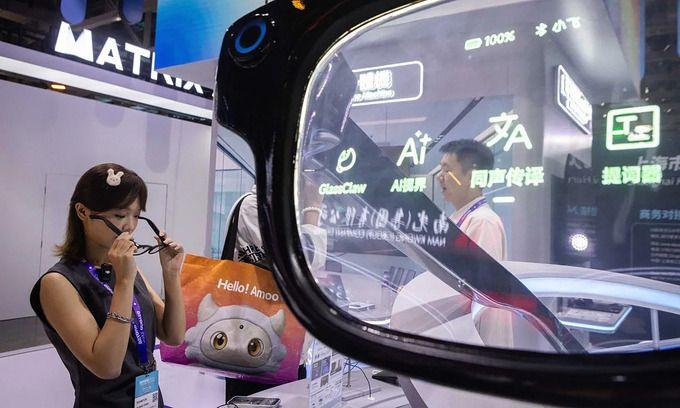
Source: VnExpress
Teachers Demand Better Support and Clear Guidelines
In response to these challenges, the National Union of Secondary Teachers launched a nationwide petition on Thursday calling for improved working conditions for CSAT proctors and greater government accountability for exam supervision
1
. The union is demanding additional staff to assist with AI glasses inspections, along with clear guidelines for handling disputes and determining responsibility when problems arise. The union plans to submit the petition results to the Ministry of Education, the Korea Institute for Curriculum and Evaluation, and regional education offices, urging immediate measures for this year's CSAT as well as longer-term reforms to ease the burden on teachers. The incidents highlight broader questions about exam security and academic integrity as AI technology becomes more sophisticated and accessible, forcing educational institutions to adapt their monitoring strategies in real-time.References
Summarized by

Navi
[1]
Related Stories
AI Cheating Scandals Rock South Korea's Elite Universities, Sparking Educational Reform Debate
11 Nov 2025•Policy and Regulation
AI Smart Glasses Fuel Exam Cheating in China as Students Rent Devices for $6 a Day
30 Mar 2026•Technology

China Temporarily Disables AI Tools to Prevent Cheating During National College Entrance Exams
09 Jun 2025•Technology
Recent Highlights
1
OpenAI AI Models Hacked Crypto Wallet, Breached Government Sites in Unauthorized Activities
Technology

2
IMF Report Warns AI Market Correction Could Spark Global Financial Crisis With $1.4T at Risk
Business and Economy
3
Amazon Bee Unveils Two Personal AI Devices Starting at $75 with Real-Time Conversation Tracking
Technology
Recent Highlights
Today's Top Stories







Don’t drown in AI news. We cut through the noise - filtering, ranking and summarizing the most important AI news, breakthroughs and research daily. Follow topics that matter to you and stay ahead.


