4 Sources
4 Sources
[1]
Students in China are renting smart glasses to cheat on exams, and it's surprisingly easy
Serving tech enthusiasts for over 25 years. TechSpot means tech analysis and advice you can trust. Bottom line: On Chinese social media and secondhand platforms, a quiet rental industry has emerged - not for luxury bags or electronics, but for AI-powered smart glasses. The devices, marketed as digital assistants, are becoming tools for students seeking academic shortcuts. Some borrowers use them to scan test questions and receive real-time answers during exams. Vivian, a university student in Hebei province who requested a pseudonym to speak freely to Rest of World, said her Rokid glasses help her pass difficult subjects. "Any subject that I may fail at," she said. The glasses can read text from her exam paper and project answers directly onto the lens. She admits some classmates have paid to rent her device for their own tests, even though major national exams in China explicitly ban such technology. The scope of the phenomenon extends beyond individual exchanges. On Xianyu, a major secondhand marketplace, merchants openly advertise rentals of AI glasses for 40 to 80 yuan ($6 to $12) per day. One of them, Shenzhen-based entrepreneur Ke Changsi, said he has rented out Rokid and Quark glasses to more than 1,000 people in the last four months. His customers, he said, range from travelers who use the glasses to translate signs abroad to students looking for an edge. "The prices range from 40 yuan to 80 yuan ($6 to $12) a day, depending on the model," he said. Ke's online posts on Xiaohongshu, a lifestyle platform, highlight how the glasses can solve English and math questions with a discreet hand remote that looks like a ring. While such advertising draws attention from curious consumers, it has also reignited debate over the growing misuse of AI tools in education. Despite official restrictions, enforcement remains limited. Smart glasses often resemble ordinary eyewear, making them difficult for teachers to detect. At elite universities, students are testing the boundaries. Researchers at the Hong Kong University of Science and Technology recently demonstrated how easily such devices can integrate with large language models. After connecting Rokid glasses to ChatGPT 5.2, a participant wearing them ranked among the top five in a class of more than 100 students. Zili Meng, an assistant professor involved in the study, said that his team is developing systems to help teachers spot the devices. "To broaden the use cases of AI glasses, the industry needs a shared architecture for developers to build more innovative applications," he added. The widespread interest isn't limited to academia. China's domestic market for AI-enabled eyewear is expanding rapidly. Consultancy IDC reported that 2.5 million pairs were shipped in 2025, accounting for 16.7% of global shipments. Devices from Xiaomi, Alibaba, and Li Auto promise features like real-time translation, immersive movie playback, and meal tracking, while the government has added smart glasses to a national subsidy program offering buyers a 15% discount, capped at 500 yuan ($73). Even so, technical and practical issues continue to slow full adoption. Smart glasses often feel heavy, warm, and short-lived on battery power. Liu Zhigang, a university student in Zhejiang province who paid 3,300 yuan ($465) for a pair last summer, quickly grew disillusioned. He said he rarely wears them now because they heat up and drain after a few hours. "The functions can be easily done by a smartphone," he said. As devices become more powerful, questions about fairness and privacy are harder to ignore. Stickers that obscure the recording light of cameras are sold online, letting users capture footage unnoticed. For now, the devices may still be a niche novelty - but in China's competitive academic culture, their appeal as a secret study companion shows no sign of fading.
[2]
Students Are Now Renting Smart Glasses to Cheat on Exams
I wouldn't say there are a ton of killer use cases for smart glasses yet, but if there are any, they're not what most would classify as being above board. So far, they've proved great for recording people discreetly, helping people get unethically coached in court, and, if a recent report is any indication, for academic cheating. According to a report from Rest of the World, students in China are using AI smart glasses from brands like Meta and Rokid to gain an edge on tests. The potential of smart glasses to answer quiz questions is so appealing that it's apparently created its own rental market as well. One anonymous student quoted by the non-profit publication claims that not only does she use smart glasses to occasionally cheat on exams, but she also "rents" them to other students looking to do the same. Likewise, a businessman interviewed by Rest of World, who rents AI smart glasses made by Rokid and Alibaba, says that among the demographics looking to use them are "students who need the glasses for exams." The source reportedly advertises the smart glasses as being able to answer English and math questions on popular social media sites in China. Prices for rentals reportedly range between $6 and $12 per day, depending on the model. As the publication notes, AI smart glasses like the ones being rented are explicitly banned while taking both college entrance exams and civil service exams, but since many pairs are difficult to recognize, students say they get away with wearing them during testing anyway. It's a familiar story at this point. In the U.S., though plenty of institutions, like courts and overseers of standardized tests like the College Board, have banned smart glasses, enforcement remains a tall order. As I've pointed out many times before, smart glasses are hard to recognize. While some have an obvious camera, like the Ray-Ban Meta AI glasses or the Meta Ray-Ban Display, other pairs, like those made by Even Realities, don't have any of the giveaways aside from a small display in the lens that can be hard to see unless you're looking for it. That's all to say that even if someone is actively screening for smart glasses before exams or entering sensitive places like a courtroom or a locker room, for example, the person screening for products needs to know exactly what to look for. And whether people have the will and the knowledge to screen that heavily remains to be seen. So, I guess if you're determined to use smart glasses to cheat on exams or gain a competitive edge, now is a perfect time to do so, even if teachers and institutions are starting to get wise.
[3]
Students Renting Smart Glasses to Cheat on Tests
Smart glasses aren't just being used by juvenile pranksters and pickup artists to terrorize strangers, traumatize Meta's data labeling subcontractors in Kenya, and covertly receive advice while being cross-examined in court. As Rest of World reports, students in China are also using them to cheat during exams. One university student, identified as Vivian, told the publication that she uses her Rokid AI glasses to scan questions and display answers on the integrated screen. (Meta's Ray-Ban Display glasses with a built-in screen are currently only available in the US, but alternatives are available worldwide.) Vivian also took the idea in an entrepreneurial direction, renting out her spectacles to other schoolmates to turn her investment into a lucrative side hustle. Thanks to the advent of AI, the smart glasses industry has gained a considerable boost, allowing owners to take pictures, record videos, analyze the world around them, translate road signs, get directions, or read from a script during presentations. But thanks to their steep price, consumers in China are turning to secondhand marketplaces like Xianyu to rent a pair instead, according to Rest of World. Prices range from the equivalent of $6 to $12 a day, depending on the model. The gizmos are proving particularly useful for cheating students. With a small controller in the shape of a ring, students can covertly use them to answer English and math questions, as Shenzhen-based businessman Ke Changsi, who rents out Rokid and Quark smart glasses, told the publication. But the country's secondary education program has started to catch on, explicitly banning the devices from national college entrance and civil service exams. Many teachers, however, aren't tuned into the trend -- at least for now. After all, the current offerings from the likes of Rokid and Meta bear a striking visual resemblance to their unenhanced equivalents. Outside of cheating on exams, the tech is still far from perfect. The devices still weigh considerably more than a pair of conventional glasses or sunglasses. They also have to be charged frequently thanks to smaller-than-ideal batteries. But that doesn't mean they excel at giving cheaters an unfair advantage at school. In an experiment earlier this year, researchers at the Hong Kong University of Science and Technology added OpenAI's powerful GPT-5.2 large language model to a pair of Rokid glasses and asked a student to wear them during a "stressful final exam week" in a class of over 100 students. The student "achieved an astonishing score of 92.5" in their final undergraduate computer communication networks class, placing them "among the top five" in the class.
[4]
Smart glasses were already creepy, now they're helping people cheat
From spying fears to exam fraud, the next problem is already here Smart glasses were already under fire for privacy concerns. But now, there's a new problem brewing. Cheating. And it's surprisingly easy. A recent report by Rest of World highlights how AI-powered smart glasses are being used to scan exam questions and display answers directly on the lens, essentially turning them into a real-time cheating tool. In some cases, students are even renting these glasses for as little as $6 a day, using them not just for navigation or translation, but specifically to gain an unfair advantage in exams. How does this even work? It's a mix of hardware and AI catching up. Modern smart glasses come equipped with cameras, microphones, and AI assistants that can analyze what you're looking at and respond in real time. That means a question on paper can be scanned, processed by an AI model, and fed back as an answer. All without pulling out a phone. And because these devices look like regular glasses, they're much harder to detect compared to traditional cheating methods. Adding fuel to the fire, devices like the Ray-Ban Meta smart glasses have already sparked concerns around covert recording and privacy, with critics pointing out how easy it is to capture photos or videos without people noticing. Now, with cheating entering the picture, the concerns aren't just about being watched but also about fairness, trust, and how institutions even enforce rules anymore. When smart gets... a little too smart This goes way beyond just exam cheating; it challenges the entire system. Experts warn that devices like AI-powered smart glasses could break traditional ways of detecting misconduct, since they're subtle, always-on, and hard to track. Some regions have already started taking drastic steps, like temporarily disabling AI tools during exams, just to stay ahead. Recommended Videos At the same time, we're stepping into an era of "invisible tech," where these devices are genuinely useful but also easy to misuse. And that's the real dilemma: when technology becomes this seamless, the line between helping and cheating starts to disappear.
Share
Share
Copy Link
A rental market for AI smart glasses has emerged in China, where students pay $6 to $12 daily to cheat on exams. Devices from Rokid and Meta scan test questions and project real-time answers onto lenses, bypassing detection due to their discreet design. Despite explicit bans, enforcement remains limited as the technology becomes harder to distinguish from ordinary eyewear.
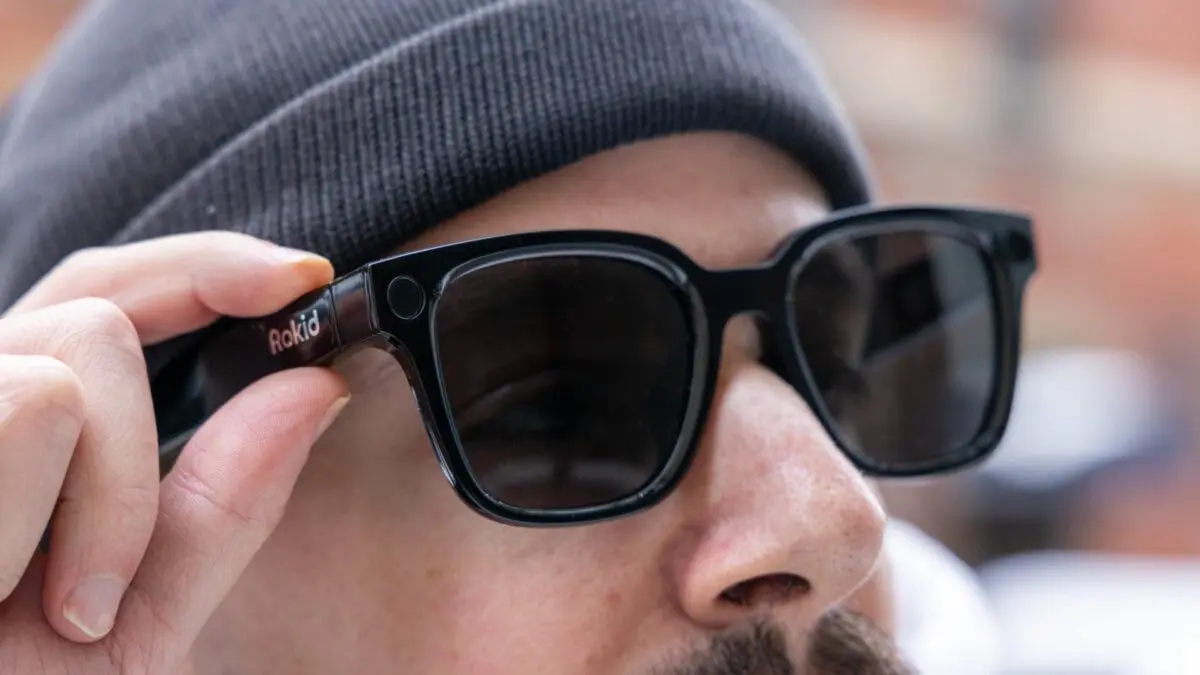
A quiet but growing rental industry has emerged on Chinese social media and secondhand platforms, where AI smart glasses are becoming tools for exam cheating. Students across China are paying between 40 to 80 yuan ($6 to $12) per day to rent AI-enabled eyewear that can scan test questions and display real-time answers directly onto the lens
1
. Vivian, a university student in Hebei province who spoke anonymously, admitted she uses her Rokid glasses to pass difficult subjects and has even rented them to classmates seeking similar advantages1
.
Source: Gizmodo
On Xianyu, a major secondhand marketplace, merchants openly advertise these devices for academic purposes
1
. Shenzhen-based entrepreneur Ke Changsi revealed he has rented out Rokid and Quark glasses to more than 1,000 people in just four months, with customers ranging from travelers needing translation services to students looking for an edge in exams1
. His online posts on Xiaohongshu highlight how the glasses can solve English and math questions using a discreet hand remote shaped like a ring1
.The misuse of AI tools in education has intensified as AI smart glasses integrate cameras, microphones, and AI assistants that analyze visual content and respond in real time
4
. Students can covertly view answers by scanning exam papers, with the device processing questions through large language models and feeding back solutions without requiring a smartphone4
. This capability was demonstrated by researchers at the Hong Kong University of Science and Technology, who connected Rokid glasses to OpenAI's ChatGPT 5.21
3
. A participant wearing them during a stressful final exam week achieved a score of 92.5 in a class of over 100 students, ranking among the top five3
.Source: TechSpot
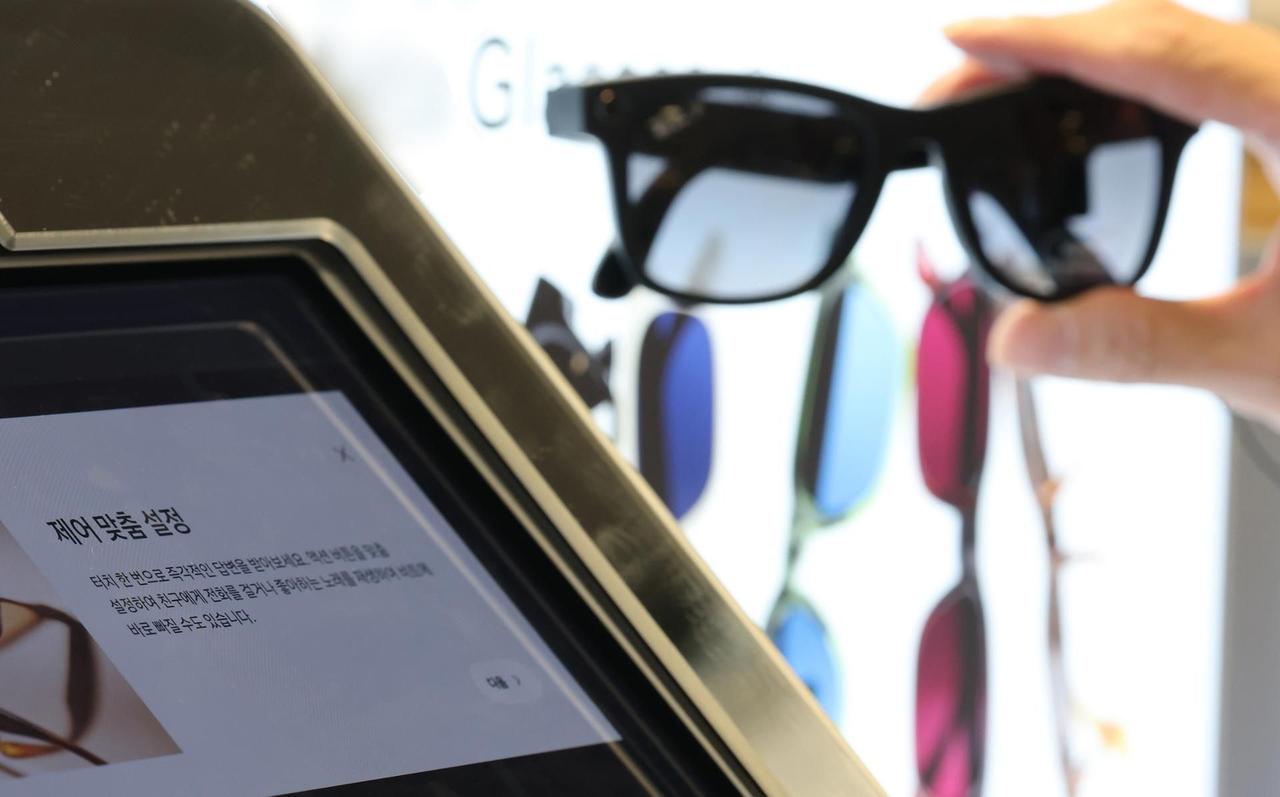
The discreet design makes detection difficult, as many models from Meta and Rokid closely resemble ordinary eyewear
2
. While some devices like Ray-Ban Meta AI glasses feature visible cameras, others lack obvious giveaways aside from small displays in the lens that are hard to spot unless specifically searched for2
. Even stickers that obscure recording lights are sold online, allowing users to capture footage unnoticed1
.Despite China explicitly banning such technology from major national college entrance exams and civil service exams, enforcement remains limited
1
2
. Teachers often lack awareness of the trend, and the devices' resemblance to conventional glasses makes screening challenging3
. In the U.S., institutions including courts and the College Board have banned smart glasses, but enforcement remains difficult as screeners need to know exactly what to look for2
. Zili Meng, an assistant professor involved in the Hong Kong study, noted his team is developing detection systems to help teachers spot the devices1
.Related Stories

Source: Futurism
China's domestic rental market for AI-enabled eyewear is expanding rapidly, with consultancy IDC reporting that 2.5 million pairs were shipped in 2025, accounting for 16.7% of global shipments
1
. Devices from Xiaomi, Alibaba, and Li Auto promise features like real-time translation and immersive playback, while the government has added smart glasses to a national subsidy program offering buyers a 15% discount, capped at 500 yuan ($73)1
.However, technical issues continue to slow adoption. Battery life remains a concern, with devices often feeling heavy and warm after just a few hours of use
1
. Liu Zhigang, a university student in Zhejiang province who paid 3,300 yuan ($465) for a pair, quickly grew disillusioned, noting that most functions can be easily accomplished with a smartphone1
.The emergence of this invisible tech raises urgent questions about academic fairness and privacy concerns that extend beyond exam cheating
4
. AI smart glasses have already sparked ethical concerns around covert recording and surveillance, with critics highlighting how easy it is to capture photos or videos without consent2
4
. Experts warn these devices could fundamentally break traditional ways of detecting misconduct, as they're subtle, always-on, and hard to track4
. In China's highly competitive academic culture, the appeal of renting smart glasses to cheat as a secret study companion shows no sign of fading1
.Summarized by
Navi
[1]
[3]
[4]
09 Jun 2025•Technology

24 Feb 2026•Technology

30 Oct 2025•Entertainment and Society

1
Policy and Regulation

2
Technology

3
Technology