Students rent AI smart glasses for $6 a day to cheat on exams, exposing detection challenges


2 Sources
2 Sources
[1]
Students Are Now Renting Smart Glasses to Cheat on Exams
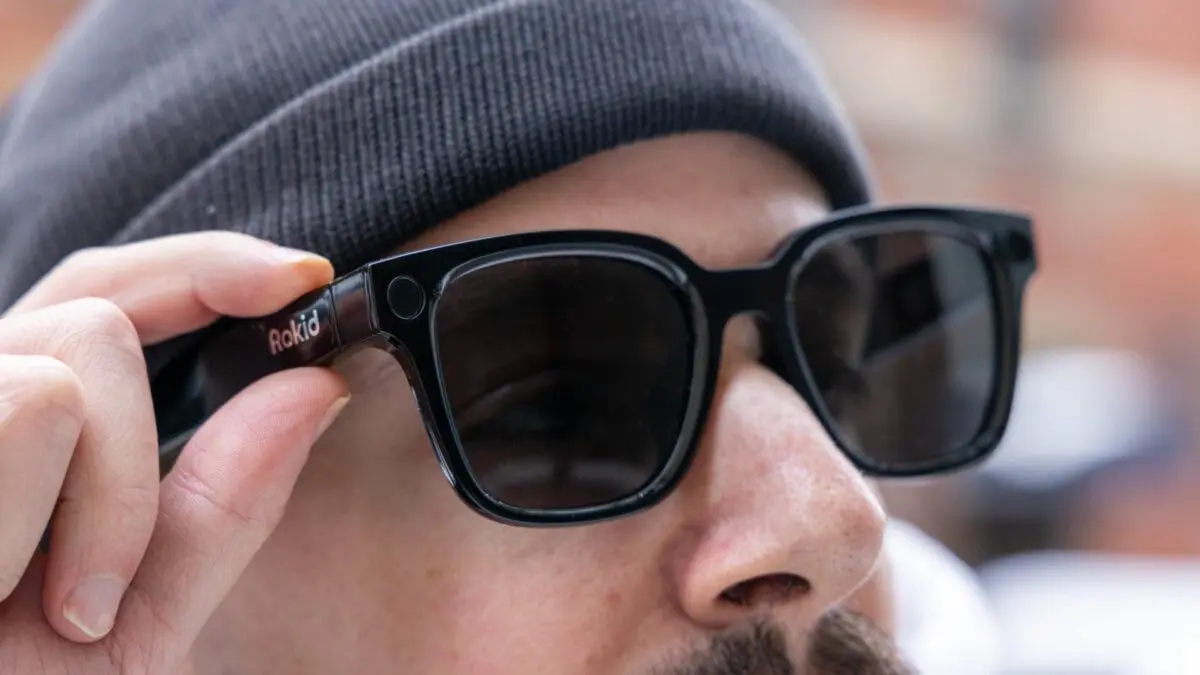
I wouldn't say there are a ton of killer use cases for smart glasses yet, but if there are any, they're not what most would classify as being above board. So far, they've proved great for recording people discreetly, helping people get unethically coached in court, and, if a recent report is any indication, for academic cheating. According to a report from Rest of the World, students in China are using AI smart glasses from brands like Meta and Rokid to gain an edge on tests. The potential of smart glasses to answer quiz questions is so appealing that it's apparently created its own rental market as well. One anonymous student quoted by the non-profit publication claims that not only does she use smart glasses to occasionally cheat on exams, but she also "rents" them to other students looking to do the same. Likewise, a businessman interviewed by Rest of World, who rents AI smart glasses made by Rokid and Alibaba, says that among the demographics looking to use them are "students who need the glasses for exams." The source reportedly advertises the smart glasses as being able to answer English and math questions on popular social media sites in China. Prices for rentals reportedly range between $6 and $12 per day, depending on the model. As the publication notes, AI smart glasses like the ones being rented are explicitly banned while taking both college entrance exams and civil service exams, but since many pairs are difficult to recognize, students say they get away with wearing them during testing anyway. It's a familiar story at this point. In the U.S., though plenty of institutions, like courts and overseers of standardized tests like the College Board, have banned smart glasses, enforcement remains a tall order. As I've pointed out many times before, smart glasses are hard to recognize. While some have an obvious camera, like the Ray-Ban Meta AI glasses or the Meta Ray-Ban Display, other pairs, like those made by Even Realities, don't have any of the giveaways aside from a small display in the lens that can be hard to see unless you're looking for it. That's all to say that even if someone is actively screening for smart glasses before exams or entering sensitive places like a courtroom or a locker room, for example, the person screening for products needs to know exactly what to look for. And whether people have the will and the knowledge to screen that heavily remains to be seen. So, I guess if you're determined to use smart glasses to cheat on exams or gain a competitive edge, now is a perfect time to do so, even if teachers and institutions are starting to get wise.
[2]
Smart glasses were already creepy, now they're helping people cheat
From spying fears to exam fraud, the next problem is already here Smart glasses were already under fire for privacy concerns. But now, there's a new problem brewing. Cheating. And it's surprisingly easy. A recent report by Rest of World highlights how AI-powered smart glasses are being used to scan exam questions and display answers directly on the lens, essentially turning them into a real-time cheating tool. In some cases, students are even renting these glasses for as little as $6 a day, using them not just for navigation or translation, but specifically to gain an unfair advantage in exams. How does this even work? It's a mix of hardware and AI catching up. Modern smart glasses come equipped with cameras, microphones, and AI assistants that can analyze what you're looking at and respond in real time. That means a question on paper can be scanned, processed by an AI model, and fed back as an answer. All without pulling out a phone. And because these devices look like regular glasses, they're much harder to detect compared to traditional cheating methods. Adding fuel to the fire, devices like the Ray-Ban Meta smart glasses have already sparked concerns around covert recording and privacy, with critics pointing out how easy it is to capture photos or videos without people noticing. Now, with cheating entering the picture, the concerns aren't just about being watched but also about fairness, trust, and how institutions even enforce rules anymore. When smart gets... a little too smart This goes way beyond just exam cheating; it challenges the entire system. Experts warn that devices like AI-powered smart glasses could break traditional ways of detecting misconduct, since they're subtle, always-on, and hard to track. Some regions have already started taking drastic steps, like temporarily disabling AI tools during exams, just to stay ahead. Recommended Videos At the same time, we're stepping into an era of "invisible tech," where these devices are genuinely useful but also easy to misuse. And that's the real dilemma: when technology becomes this seamless, the line between helping and cheating starts to disappear.
Share
Share
Copy Link
Students in China are renting AI smart glasses from brands like Meta and Rokid for as little as $6 per day to cheat on exams. The devices scan questions and provide real-time answers through discreet displays, creating a rental market that challenges traditional academic integrity measures. Detection remains difficult as many models are nearly indistinguishable from regular eyewear.
Students Turn AI Smart Glasses Into Exam Cheating Tools
A troubling trend is emerging in education as students discover how to exploit AI smart glasses for academic dishonesty. According to a report from Rest of World, students in China are using AI-powered smart glasses from brands like Meta and Rokid to gain unfair advantages during testing
1
. The appeal of these devices has grown so significant that it has spawned an entire rental market dedicated to exam cheating, with prices ranging between $6 and $12 per day depending on the model1
.
Source: Gizmodo
One anonymous student interviewed revealed that she not only uses smart glasses to occasionally cheat on exams but also rents them to other students seeking the same advantage
1
. A businessman who rents AI smart glasses made by Rokid and Alibaba confirmed that students needing glasses for exams represent a key demographic, advertising the devices as capable of answering English and math questions on popular social media platforms1
.How Renting Smart Glasses Enables Real-Time Answer Delivery
The technology behind this misuse of invisible tech combines hardware capabilities with advanced AI assistants. Modern smart glasses come equipped with cameras, microphones, and AI that can analyze what the wearer is viewing and respond instantly
2
. Students can scan exam questions using the built-in camera, which then gets processed by an AI model that feeds answers back through a display visible only to the wearer2
. This entire process happens without the need to pull out a phone or any other obviously suspicious device.The rental market has flourished precisely because these AI smart glasses appear indistinguishable from regular eyewear, making them exceptionally difficult for proctors to identify during testing situations. Some models lack obvious cameras or distinctive features, with only a small display in the lens that remains nearly invisible unless someone knows exactly what to look for
1
.Detection and Enforcement Challenges Facing Educational Institutions
While AI smart glasses are explicitly banned during college entrance exams and civil service exams, detection and enforcement remains a significant challenge
1
. Students report getting away with wearing them during testing because many pairs are difficult to recognize1
. In the U.S., institutions including courts and standardized test overseers like the College Board have banned smart glasses, yet enforcement continues to be a tall order1
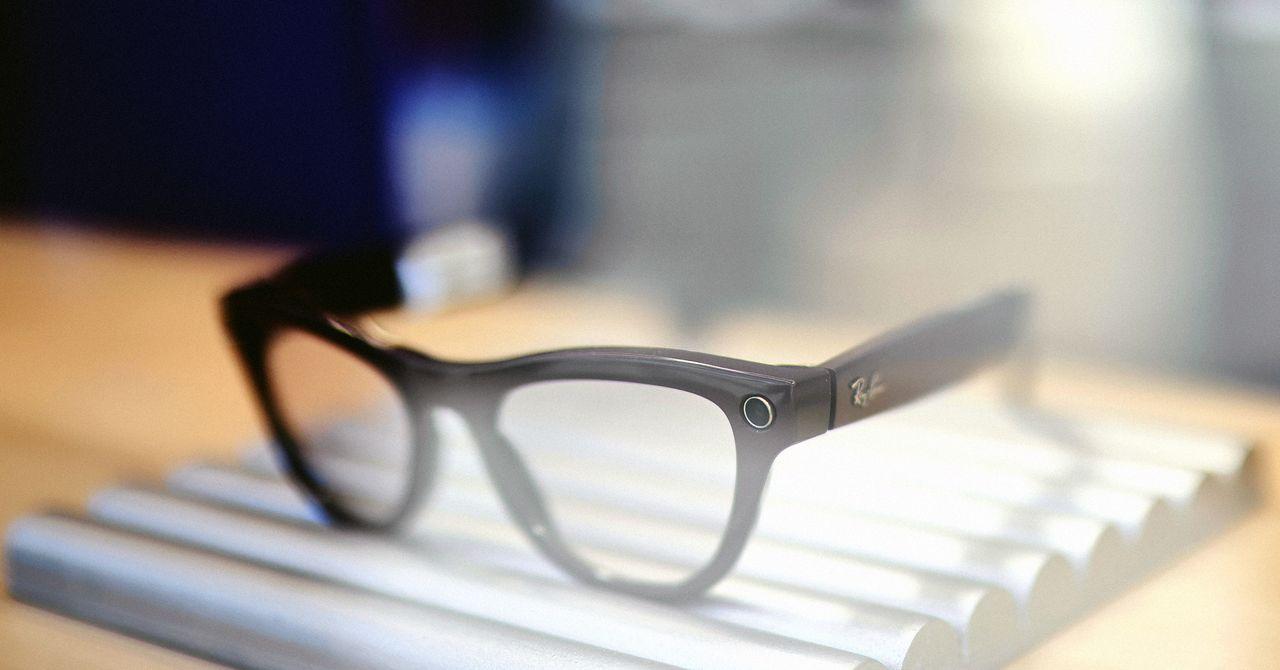
.The fundamental problem lies in the diversity of smart glass designs. While some models like the Ray-Ban Meta AI glasses feature obvious cameras, others manufactured by companies like Even Realities offer no telltale signs aside from subtle lens displays
1
. This means anyone screening for these devices before exams needs comprehensive knowledge of every available model and the determination to conduct thorough inspections—a level of vigilance that remains uncertain in practice.Related Stories
Privacy Concerns Compound Academic Fairness Issues
The exam cheating phenomenon adds another layer to existing privacy concerns surrounding smart glasses technology. Devices like Ray-Ban Meta smart glasses have already generated significant criticism for their ability to capture photos and videos covertly, with people unable to notice when they're being recorded . Now, the same technology that raised surveillance fears is undermining academic fairness and institutional trust.
Experts warn that AI-powered smart glasses could fundamentally break traditional methods of detecting misconduct because they're subtle, always-on, and extremely difficult to track . Some regions have responded by temporarily disabling AI tools during exams, though such measures may prove insufficient as the technology continues evolving. The situation presents a genuine dilemma: when technology becomes this seamless and invisible, distinguishing between legitimate assistance and cheating becomes increasingly difficult .
As one observer noted, if individuals are determined to use smart glasses to cheat on exams or gain competitive edges, the current moment offers an opportune window, even as teachers and institutions begin recognizing the threat
1
. The challenge ahead involves developing new frameworks for maintaining academic integrity in an era where helpful technology and cheating tools have become virtually indistinguishable.References
Summarized by

Navi
[2]
Related Stories
Harvard Students Demonstrate Privacy Risks of Smart Glasses with AI-Powered Surveillance Tool
03 Oct 2024•Technology

Harvard Dropouts Launch Controversial 'Always-On' AI Smart Glasses
21 Aug 2025•Technology

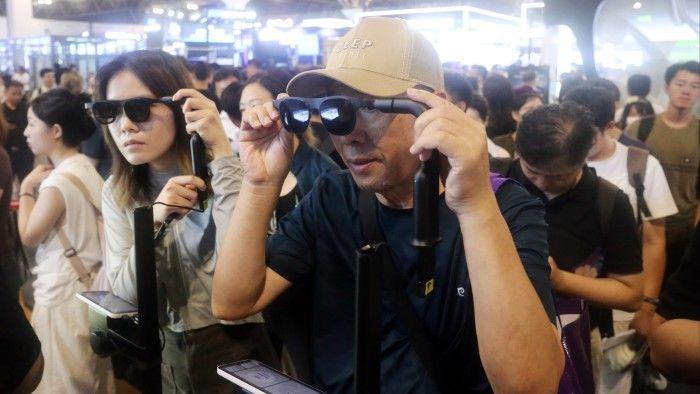
Smart Glasses Race Heats Up as Chinese Companies Challenge Meta's Dominance with Affordable AI-Powered Models
30 Oct 2025•Technology
Recent Highlights
1
Apple Plans Major Siri AI Overhaul in iOS 27 With Third-Party Chatbot Integration
Technology

2
OpenAI shuts down Sora after six months, ending Disney's $1 billion licensing partnership
Technology

3
AI chatbots validate you too much, making you less kind to others, Stanford study reveals
Science and Research
Recent Highlights
Today's Top Stories








Your Daily Dose of Curated AI News
Don’t drown in AI news. We cut through the noise - filtering, ranking and summarizing the most important AI news, breakthroughs and research daily. Spend less time searching for the latest in AI and get straight to action.

