Suno brings AI music generation to iMessage as copyright disputes with Universal and Sony linger


4 Sources
[1]
Suno brings its gen AI music gunk to iMessage - Engadget
Suno brings its gen AI music gunk to iMessage Maybe just sing a silly song in a voice note instead? Suno has found another way to suck the joy out of creating music by adding iMessage integration. Those who have the latest version of the Suno iPhone app can now generate a 30-second output right
[2]
Suno now lets iPhone users generate songs directly in iMessage
Starting today, iPhone users who have the Suno app installed can generate songs from the Messages app using text or voice prompts. Here are the details. Suno brings song generation to iMessage Suno is one of the most popular AI song-generation platforms, with more than 2 million paid subscribers
[3]
You can now generate songs in your iMessage chats
iMessage users can now turn chats into short AI-generated songs Suno has added an iMessage extension to its iOS app, letting users generate 30-second songs from voice recordings or typed prompts inside a Messages conversation. The feature is available in the latest version of the Suno app and
[4]
Suno brings AI music generation to iMessage
Suno has integrated its generative AI music capabilities into iMessage, allowing users of the latest version of the Suno iPhone app to generate 30-second music outputs directly from their messages. Users can access this feature by tapping the plus button in a chat and selecting the Suno option,
Share
Copy Link
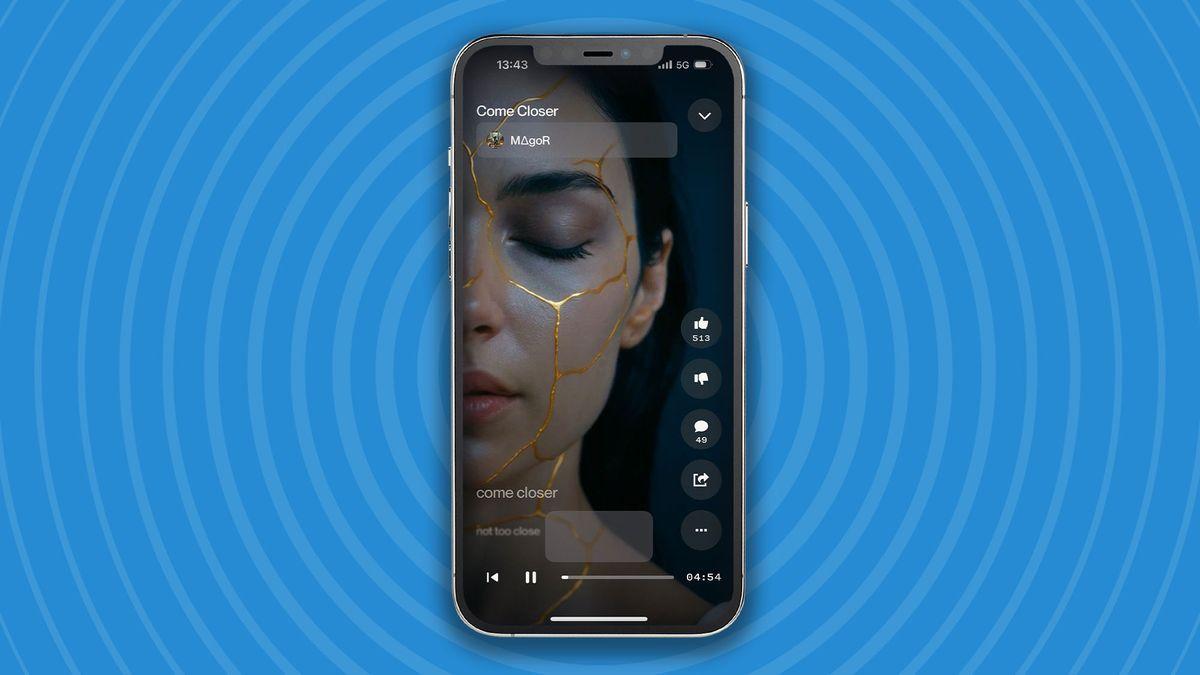
Suno has integrated its AI music generation capabilities into iMessage, allowing iPhone users to create 30-second songs directly from text or voice prompts. The feature arrives as the company faces ongoing copyright disputes with major labels including Universal Music Group and Sony Music over its training data practices.
Suno Launches iMessage Integration for AI Music Generation
Suno has rolled out iMessage integration for its generative AI music tool, enabling iPhone users to generate songs directly within Apple's Messages app
1
2
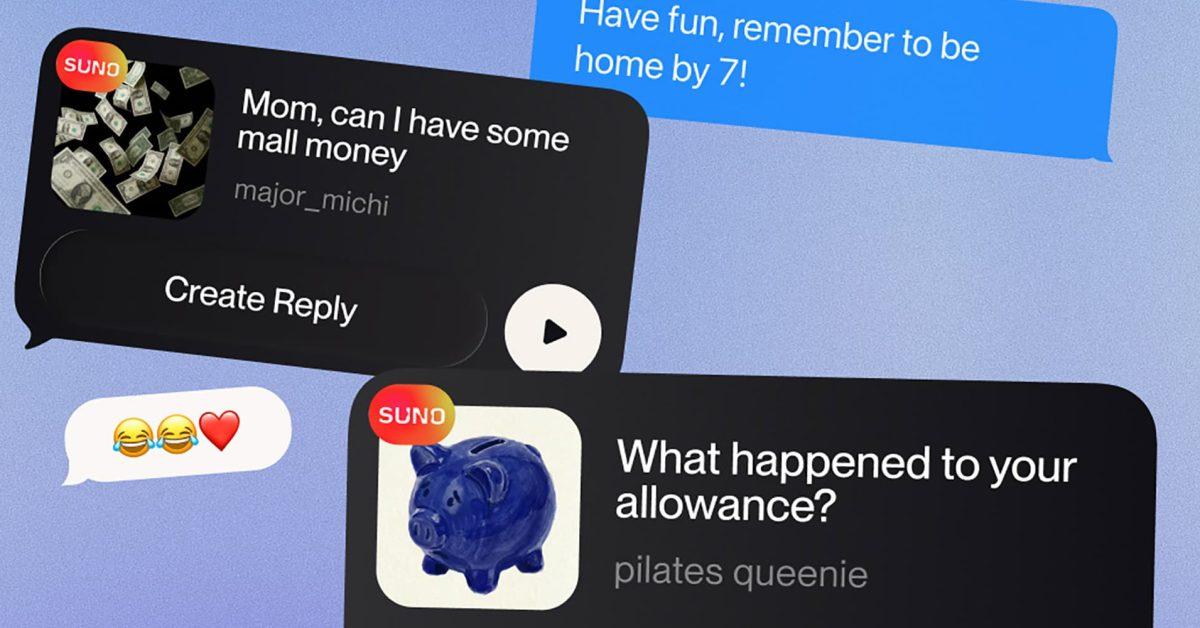
. The feature allows users with the latest version of the Suno app to create 30-second songs from text or voice prompts without leaving their conversations. Users can access the tool by tapping the plus button in a chat and selecting Suno from the Messages app drawer3
.
Source: 9to5Mac
The platform, which boasts more than 2 million paid subscribers and generates 7 million songs each day
2
, now extends its reach into consumer-facing messaging platforms. Users can paste messages from friends as prompts and select a genre for the audio output. However, both people in the chat need to have the Suno app installed for the recipient to hear the AI-generated songs1
3
. This requirement may limit the feature's accessibility and viral potential compared to other messaging features.
Source: Engadget
Copyright Disputes Cast Shadow Over AI Innovation
The iMessage launch arrives amid intensifying scrutiny over Suno's training data practices. A recent 404 Media investigation revealed that source code obtained after a breach showed Suno scraped millions of songs, lyrics, and other audio files from services including YouTube Music, Deezer, and Genius
3
. One file reportedly documented more than two million clips collected from YouTube Music alone, raising serious questions about copyrighted training data and intellectual property rights.Suno's system is reportedly trained on tens of millions of tracks, which may include copyrighted works
4
. While Suno has admitted its models were trained using music files available across the open internet, the company argues this practice is protected under fair use3
. Major record labels sued the company in 2024, accusing it of using copyrighted recordings without permission.Related Stories


Legal Battles Continue with Universal and Sony
Warner Music has since settled its case and reached a licensing agreement with Suno, signaling a potential path forward for the industry
3
. However, lawsuits involving Universal Music Group and Sony Music remain unresolved, keeping the company embroiled in one of the music industry's biggest copyright disputes. These ongoing legal challenges could shape how AI companies approach training data and licensing in the creative industries.The tension between rapid AI innovation and established intellectual property rights frameworks continues to play out in real time. While the new feature makes it incredibly easy to generate songs in iMessage, the technology behind it remains tied to unresolved questions about fair compensation for artists and rights holders. As more AI companies integrate their tools into everyday platforms, the outcome of these legal battles will likely influence industry standards and regulatory approaches to generative AI music tools going forward.
References
Summarized by

Navi
[3]
[4]
Related Stories
Recent Highlights



Recent Highlights
Today's Top Stories





Don’t drown in AI news. We cut through the noise - filtering, ranking and summarizing the most important AI news, breakthroughs and research daily. Follow topics that matter to you and stay ahead.


