Suno Launches v6 AI Music Models Built on Licensed Music After Copyright Settlement


14 Sources
[1]
Suno replaces its AI models with a new one trained on licensed music as copyright suits pile up
AI music model maker Suno on Wednesday unveiled a new model family called Suno v6, which it says was developed using licensed data from music labels and distributors such as Warner Music Group, BMG and Believe. Suno has faced multiple lawsuits from record labels, which accused the startup of using
[2]
Suno releases its first AI music model made with record industry help
Suno's new v6 AI music model is its first made with support from the record industry. Suno's Jack Brody told The Verge that v6 was "trained from the ground up, with a new set of data that does not include the same data that our previous models were trained on." The data includes content licensed
[3]
Suno releases new AI music models in partnership with Warner Music, BMG
Sept 9 (Reuters) - AI music startup Suno on Wednesday launched a suite of AI models in partnership with record companies Warner Music Group and BMG to allow users to generate new music inspired by licensed music of participating artists. This move comes amid increasing scrutiny of AI music
[4]
Suno trained its v6 AI music models with help from Warner and BMG - Engadget
AI music generator Suno has just introduced its new v6 family of models. The models mark the first time the company has worked with labels to train a new set of AI systems. As of today, the v6 series consists of three models: v6, v6-wild and v6-mini. The first of those is Suno's new flagship
[5]

A.I. Music Giant Suno Tries to Play Nice With Record Labels
Suno has drawn copyright lawsuits from the majors. Now it is releasing a version of its A.I. music generator trained in partnership with Warner Music. Since it arrived four years ago with the technology to generate fresh songs from a few words of text, the A.I. music company Suno has been both an
[6]

AI Song Generator Suno Releases New Model Developed With Warner Music
The controversial AI music generator Suno just rolled out its latest model on Wednesday. Differing from its previous models, this one was developed in cooperation with music industry giants Warner Music Group, BMG and Believe. AI music is somehow both very popular and unpopular. AI-generated songs
[7]

Suno launches AI music models trained on licensed Warner and BMG catalogue
The labels get paid from today, and the artists get paid when a product that does not exist yet arrives. Suno has launched a new generation of AI music models built with Warner Music Group, BMG, and Believe, and will switch off everything that came before them. "As v6 rolls out, we will retire
[8]

Warner Music CEO says "creation-based" revenue for artists and songwriters set to grow
Why it matters: The music industry's streaming transition prepared it to turn AI's copyright threat into a new licensing model. If successful, it could mark a new growth era for the music business, just as streaming did. Zoom in: Kyncl said Suno's v6 models mark the first time WMG's talent will be
[9]

Suno launches v6 AI music models with Warner Music, BMG licenses
The new lineup, called v6, consists of three models. Pro and Premier subscribers -- whose U.S. monthly plans run $8 and $24, respectively -- can access both the flagship v6 and the experimental v6-wild. A third model, v6-mini, is available to all users at no cost. Suno said the v6 family will
[10]
Suno launches new AI music models with Warner, BMG
Why it matters: The AI startup has entered a new era of collaboration with some major players in the music industry amid lawsuits with others. Zoom in: The new v6 models are Suno's first developed under its music industry partnerships. Suno still blocks users from directly prompting its model to
[11]

Is AI Music Going Legit? Suno Launches New Models Built on a Major Label Catalog
Leading AI-music-generator Suno, which was sued by the major labels for copyright infringement in 2024, just released a new set of models trained on licensed recordings from Warner Music Group, the first major to settle with the company. The new v6 models are "trained from the ground up on
[12]

AI music generation: Suno releases new AI music models in partnership with Warner Music, BMG
This move comes amid increasing scrutiny of AI music generators like Suno and Udio, as artists fret about uncompensated use of their work and streaming platforms like Deezer and Spotify working to improve transparency around AI-generated tracks. AI music startup Suno on Wednesday launched a
[13]

Suno Launches New AI Model Trained on Licensed WMG, BMG Tracks
Suno launched its long-awaited new model trained exclusively on licensed music on Tuesday, a major milestone for the AI generation platform that has faced allegations of mass copyright infringement from across the music industry. Suno announced three new models on Tuesday -- V6, V6-wild and
[14]
TuneCore Reverses Course on Suno, Now Will Distribute Its AI-Generated Music
Suno is entering a partnership with Believe Music, the owner of popular music distribution platform TuneCore, the companies announced on Tuesday. Suno and Believe said the partnership will include "music from participating Believe and TuneCore artists and labels," which Suno said will be included
Share
Copy Link
Suno unveiled its v6 family of AI music models, marking a shift from controversy to collaboration with major labels. Trained on licensed music from Warner Music Group, BMG, and Believe, the new models replace previous versions built on scraped content. The release follows copyright lawsuits and a $5.4 billion valuation backed by $819 million in funding.
Suno Pivots to Licensed Training Data
Suno
1
released its v6 family of AI music models on Wednesday, representing the company's first collaboration with record industry partners. The new Suno v6 models were trained from scratch using licensed music from Warner Music Group, BMG, and Believe, marking a departure from previous versions that relied on scraped content2
. Chief Product Officer Jack Brody confirmed the models use "a new set of data that does not include the same data that our previous models were trained on."2
This shift comes as Suno retires older AI music models built on unlicensed content that sparked multiple copyright lawsuits5
.Three Models Target Different Creative Needs

Source: The Verge
The v6 family includes three distinct AI music generation options. The flagship Suno v6 model delivers "reliable, precise" outputs for paying subscribers seeking polished results across genres
4
. v6-wild offers unpredictable, experimental results designed for "happy accidents and natural imperfections," serving as a brainstorming partner for musicians4
. v6-mini provides faster, resource-light creation available to all users at no cost3
. Suno offers monthly Pro and Premier subscription plans priced at $8 and $24 respectively3
. The company expects v6-mini to deliver "better, faster results than any free model on any music creation platform."3
Advanced Features Enable Granular Control
Source: Gizmodo
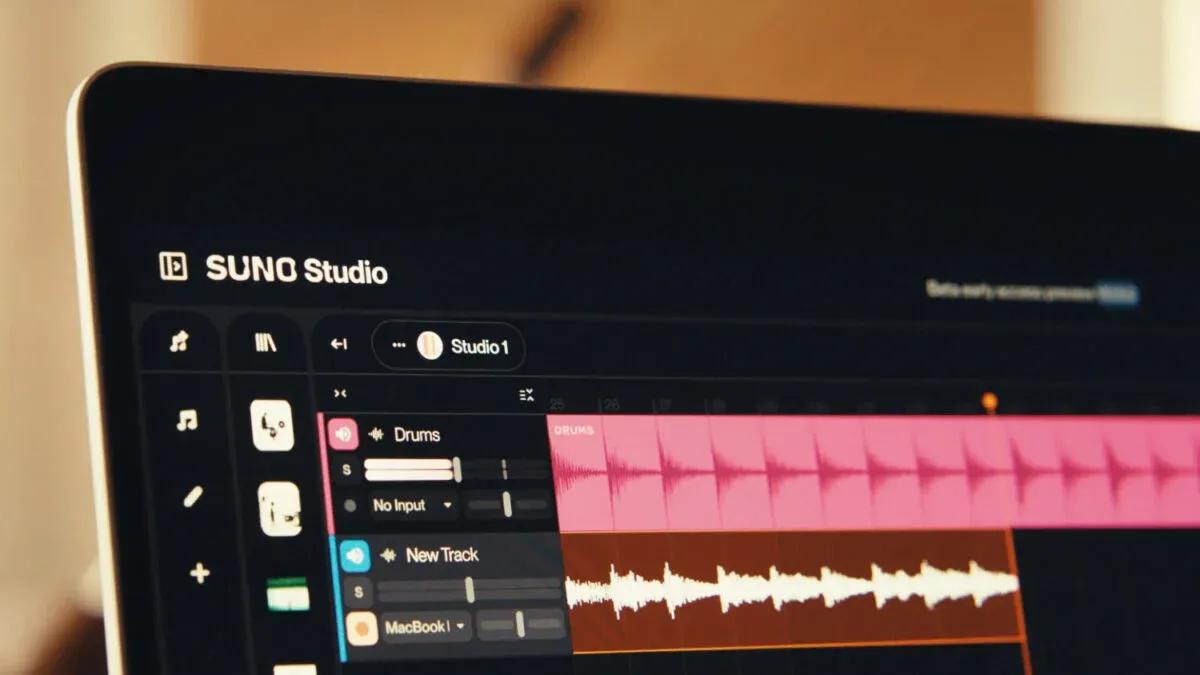
Suno v6 introduces capabilities that fundamentally change how users interact with AI music. Song editing now works through plain language within chat, allowing users to modify specific elements like guitar lines or individual lyrics without regenerating entire tracks
2
. The models support multimodal input, generating tracks from text, images, video, or other audio1
. Users can isolate instruments from samples and create mashups by combining vocals from one generated song with drums from another4
. Testing revealed dramatically improved genre understanding, with v6 successfully capturing the hallmarks of styles like hyperpop and krautrock that previous models missed2
.Revenue-Sharing Programs Address Industry Concerns

Source: Axios
The AI-music industry collaboration establishes new financial models for artists and labels. Brody emphasized that "a big part of this release is creating additional revenue streams" for rights holders and artists
1
. Suno plans to launch opt-in artist experiences where musicians can choose to participate in remix features and receive compensation when users engage with their content3
. CEO Mikey Shulman stated this represents "a blueprint for how AI and the music industry can strengthen one another."3
Warner Music Group's Robert Kyncl explained that being early gives labels "a seat at the table instead of just sitting and watching what's happening and pursuing lawsuits."5
Related Stories

Legal Challenges Persist Despite Settlement
Suno faces ongoing copyright lawsuits from Sony and Universal Music Group despite settling with Warner Music Group last year
1
. The 2024 lawsuit from major labels accused Suno of pulling millions of copyrighted songs from YouTube and other sources without permission, risking "overrunning the market with A.I.-generated music" that devalues human-created work5
. Suno largely conceded its previous models trained on copyrighted content but defended the practice as fair use5
. Last week, four musicians including Grammy-winner Jason Isbell filed suit alleging the company imitates voices and styles without permission5
. The company also admitted to training previous models using YouTube videos1
.Market Position and Industry Impact
Suno has raised over $819 million in funding and recently secured a valuation of $5.4 billion
1
3
. More than 100 million people have created songs with the service, with two million paying for upgraded plans that include commercial rights5
. The company competes in a crowded field alongside Udio, ElevenLabs, and Google's Lyria5
. Spotify is developing similar AI-powered remixing tools for licensed music3
. To address ethical challenges around streaming fraud and mass uploads, Suno recently added watermarks to generated songs and implemented download limits based on account tiers1
. Watch for how competing platforms respond to Suno's licensed approach and whether remaining legal challenges force further industry-wide changes in AI music training practices.References
Summarized by

Navi
[1]
Related Stories
Warner Music Group Settles AI Music Lawsuits, Signs Licensing Deals with Suno and Udio
19 Nov 2025•Business and Economy

Sony Music and UMG Launch Second Lawsuit Against AI Music Generator Suno Over 60,202 Songs
18 Sept 2026•Policy and Regulation

Suno reaches 2 million subscribers as AI music generator battles copyright infringement claims
26 Feb 2026•Business and Economy

Recent Highlights



Recent Highlights
Today's Top Stories











Don’t drown in AI news. We cut through the noise - filtering, ranking and summarizing the most important AI news, breakthroughs and research daily. Follow topics that matter to you and stay ahead.


