Tesla starts testing robotaxis in Austin with no safety drivers as Musk pushes autonomous future


8 Sources
[1]
Tesla starts testing robotaxis in Austin with no safety driver | TechCrunch
Just about six months after Tesla started testing its fledgling Robotaxi service in Austin, Texas, the company is now letting those cars drive around the city with no safety monitor onboard. The removal of the human safety monitors brings the company a critical step closer to its goal of launching
[2]
Tesla stock closes at 2025 high after Musk confirms driverless Robotaxi tests underway in Austin
Nearly six months after launching a limited Robotaxi service in Austin, Texas with safety drivers in the car, the company says it's testing driverless vehicles in the city without humans on board. "Testing is underway with no occupants in the car," CEO Elon Musk wrote in a post on his social
[3]
Tesla Is Testing Robotaxis Without Safety Drivers â€" or Riders
Elon Musk confirmed this weekend that Tesla is testing its robotaxis in Austin without safety drivers on board, and his fanboys are losing their minds over it. There’s just one small problem: these tests also don’t have any passengers in the car. The frenzy kicked off Sunday morning when an X
[4]
Tesla is testing Robotaxis without humans inside, Elon Musk confirms
Musk, Tesla's CEO, quickly confirmed the buzz. "Testing is underway with no occupants in the car," he wrote in response to the viral video. Business Insider reported that this appears to be for testing purposes and not yet available for paying customers. Since launching its robotaxi service in
[5]

Tesla Is Finally Letting Robotaxis Drive Solo In Austin. Now Comes The Hard Part
Broader rollout for passengers is on the horizon, but the exact date remains unclear. Tesla has begun testing its Model Y robotaxis in Austin without a human safety monitor on board. The robotaxis available for paying passengers still have human supervisors on board. Still, it's a crucial step
[6]

Elon Musk Got Tesla's Stock Back to Record Highs. Can Its AI-Powered 'March' Continue?
Investors have looked past slumping electric vehicle sales to focus on the rollout of Tesla's robotaxi service and its broader mission to pioneer physical AI. Elon Musk says the future is autonomous. Investors appear to be on board. Tesla (TSLA) stock rose 3% on Tuesday to close at $489.88, its
[7]

Tesla Stock Analyst Says Removal Of Safety Driver In Austin Shows 'Progress With Its Autonomous Technology' - Tesla (NASDAQ:TSLA)
Tesla Inc (NASDAQ:TSLA) has begun testing robotaxis in Austin without a safety monitor driver. Here's what this could mean for the company and stock going forward, according to one analyst. The Tesla Analyst: Goldman Sachs analyst Mark Delaney maintained a Neutral rating on Tesla with a price
[8]

Tesla's $10 Trillion Robotaxi Vision and the Economics Behind It | Investing.com UK
Tesla is rapidly closing in on its all-time high of $479.86, achieved mid-December 2024 following Trump's electoral victory. At Monday market close, TSLA stock was trading at $475.31 per share, after a 5.25% boost over the week. As tends to be the case with Tesla, the main accelerator of its stock
Share
Copy Link
Tesla has begun testing its robotaxis in Austin without human safety monitors onboard, marking a significant step toward launching a commercial driverless ride-hailing service. Elon Musk confirmed the development over the weekend after videos of empty Model Y vehicles surfaced online. The company's test fleet has been involved in at least seven crashes since June.
Tesla Removes Safety Drivers from Robotaxi Testing in Austin
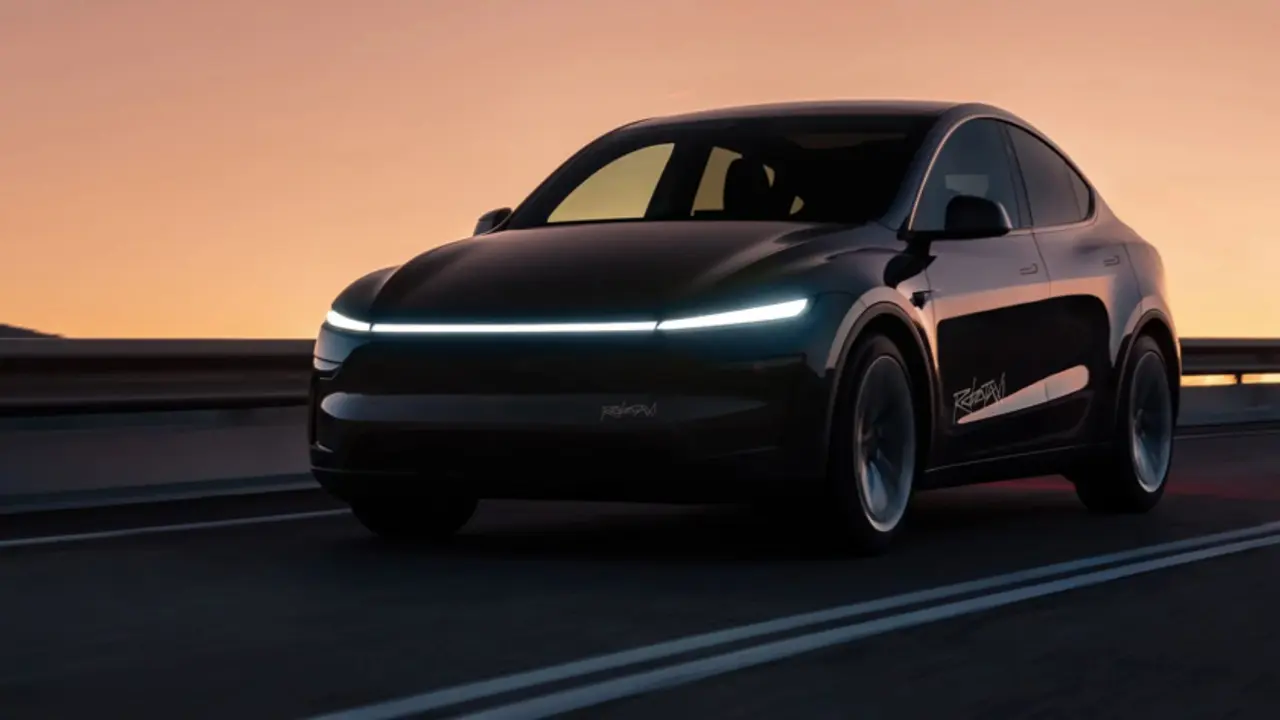
Tesla has reached a pivotal milestone in its autonomous vehicle development, beginning driverless robotaxi tests in Austin with no human occupants onboard. Elon Musk confirms the development after a video of an empty Model Y SUV circulating through Austin streets went viral over the weekend
1
. "Testing is underway with no occupants in the car," Musk wrote on X, his social media platform2
. The company's head of AI software, Ashok Elluswamy, responded to the footage with enthusiasm: "And so it begins!"3
Source: Interesting Engineering
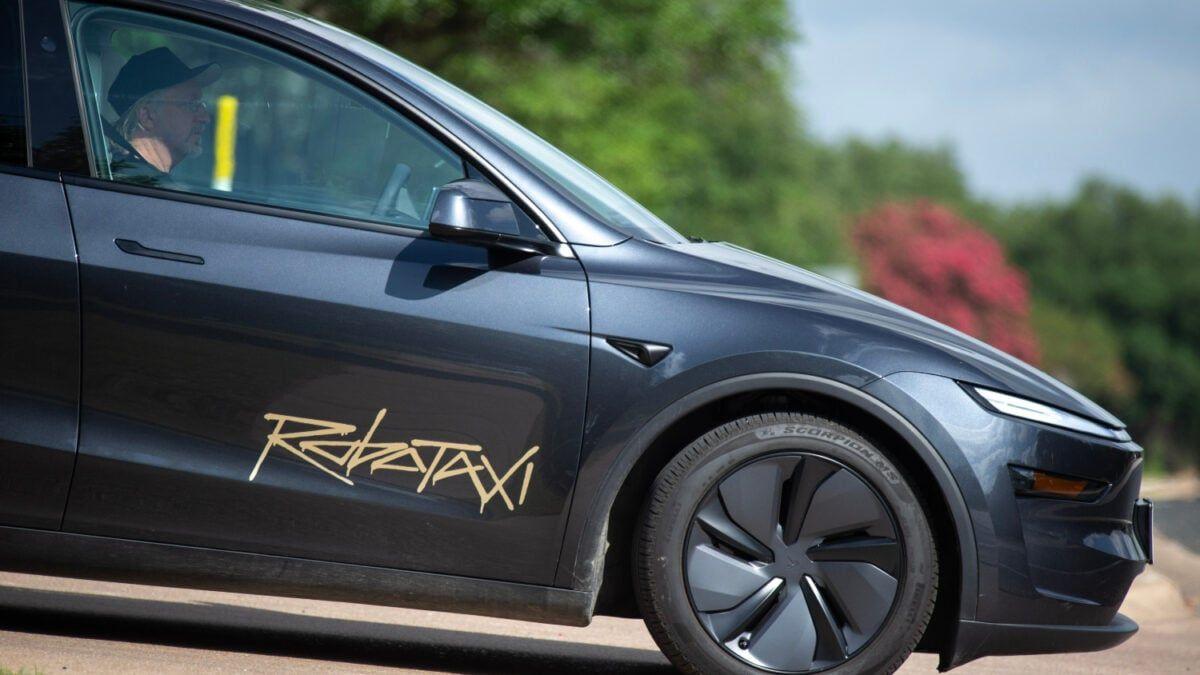
This represents a significant advancement for Tesla, which launched its robotaxi service in Austin approximately six months ago with safety monitors seated in passenger or driver seats
1
. The removal of human safety drivers brings the company closer to launching a commercial driverless ride-hailing service, a goal Musk has pursued for nearly a decade. Tesla's official X account hinted at the pace of expansion with a cryptic message: "Slowly, then all at once"2
.
Source: Gizmodo
Growing Pains and Safety Concerns for Fully Autonomous Vehicles
While the milestone appears promising, Tesla's test fleet has encountered challenges. The company's small fleet of approximately 25 to 30 vehicles has been involved in at least seven crashes since June
1
. Details about these accidents remain scarce, as Tesla heavily redacts its reports to the National Highway Traffic Safety Administration, citing confidential business information3
. Multiple videos online show Tesla robotaxis making serious driving mistakes and flouting traffic rules5
.The robotaxis rely on Tesla's Full-Self Driving (FSD) software, the same technology available in consumer vehicles. While the AI software handles braking, turning, acceleration, and navigation through complex traffic scenarios with confidence in most cases, performance has been far from perfect
5
. The removal of safety monitors will likely intensify scrutiny on Tesla's operations, particularly when the company begins offering rides in empty cars to paying customers1
.Competing with Waymo's Established Operations
Tesla faces stiff competition from Waymo, the Alphabet-owned company operating roughly 2,000 robotaxis across multiple cities including Phoenix, San Francisco, Los Angeles, Atlanta, and Austin itself
3
. Waymo recently reported surpassing 450,000 weekly paid rides, nearly double the 250,000 logged in April—an 80% increase in just six months5
. By comparison, Tesla currently operates just 31 active robotaxis in Austin according to Robotaxi Tracker3
.Musk claimed last week that Waymo "never really had a chance against Tesla," despite the substantial gap in fleet size and operational scale
1
. He previously stated in July that Tesla's fleet would cover "half of the population of the U.S." by year's end, a target later revised down to roughly doubling the Austin fleet to around 60 vehicles1
. During an xAI hackathon event last week, Musk suggested robotaxis without human safety drivers would arrive in Austin in about three weeks, adding that "unsupervised Full-Self Driving is pretty much solved at this point"5
.Related Stories
What Comes Next for Tesla's Autonomous Ambitions
Tesla shares rose 3.5% to $475.11 following Musk's confirmation, bringing the stock up 18% for the year
2
. The company has been testing a separate ride-hail service in the San Francisco area where drivers use the advanced driver assistance software. However, California's regulations require Tesla to combine multiple permits to offer fully driverless rides, whereas Texas has no such requirements1
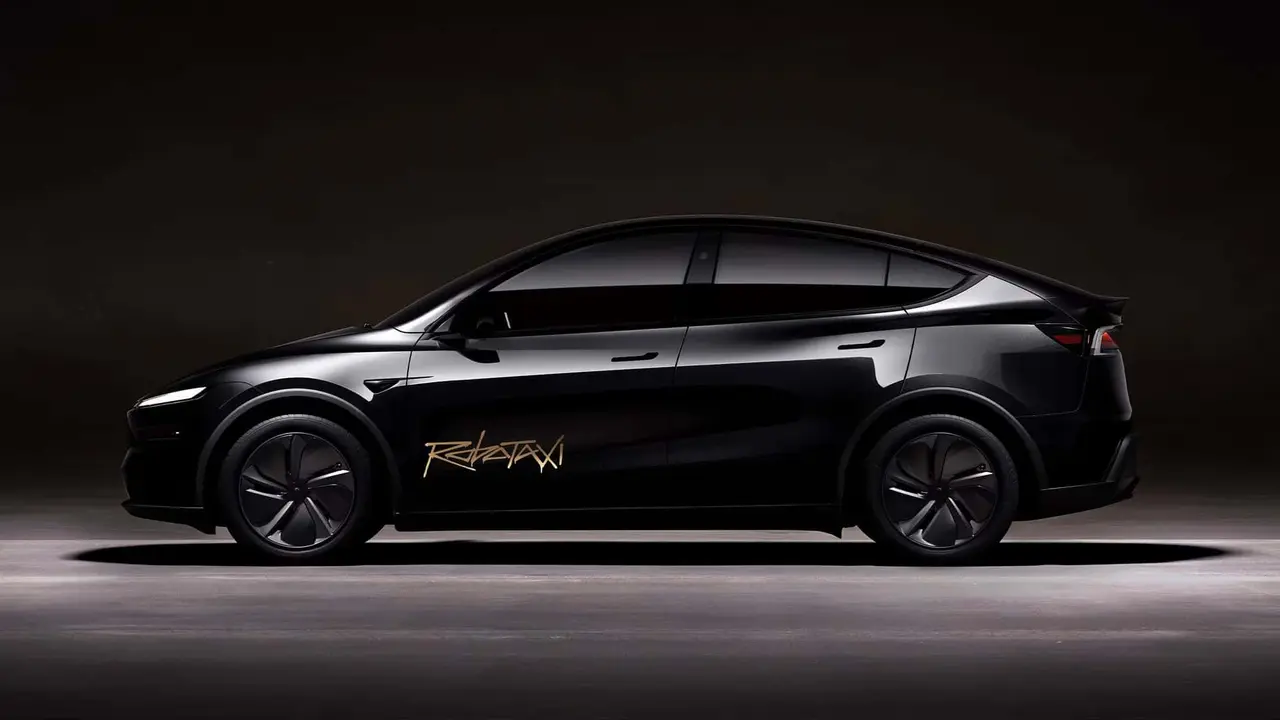
.Neither Musk nor Tesla has specified when customer rides without human safety drivers will begin. The current tests appear focused on validation rather than passenger service
4
. With only 17 days remaining in the year, meeting Musk's stated goal of operating without safety monitors in "large parts of Austin by the end of this year" appears increasingly challenging3
. The broader question remains whether self-driving vehicles can truly scale to drive profits while delivering safe, affordable rides—or remain an expensive science project5
.
Source: InsideEVs
References
Summarized by

Navi
[2]
[4]
Related Stories
Tesla's Stock Soars as Analyst Predicts 'Golden Age of Autonomous' Vehicles
23 May 2025•Business and Economy
Tesla Launches Robotaxi Service in Austin, Sparking Optimism Among Analysts and Investors
21 Jun 2025•Technology
Tesla's Robotaxi Unveiling: High Stakes and Skepticism Ahead of Elon Musk's Hollywood Presentation
01 Oct 2024•Technology

Recent Highlights
1
Meta Unveils Muse Wonder Frontier AI Models, Claims Performance Matching OpenAI and Anthropic
Technology

2
IMF Report Warns AI Market Correction Could Spark Global Financial Crisis With $1.4T at Risk
Business and Economy

3
OpenAI Releases 722 AI-Generated Math Solutions, Triggering Existential Crisis in Mathematics
Technology

Recent Highlights
Today's Top Stories







Don’t drown in AI news. We cut through the noise - filtering, ranking and summarizing the most important AI news, breakthroughs and research daily. Follow topics that matter to you and stay ahead.


