Tesla Megapod trademark reveals plan to sell modular AI data centers with integrated power


4 Sources
[1]
Tesla's Megapod could turn NVIDIA chips into ready-made data centers
Reports suggest that Tesla has quietly filed a trademark application for something called the "Megapod." As spotted in U.S. Patent and Trademark Office filings, the name points to a massive, self-contained AI data center building block. Filed as an 'intent-to-use' application, the paperwork
[2]
Megapod is the modular AI data center kit that Elon Musk's Tesla wants to sell -- but there's a tiny problem (actually, three)
Tesla faces trademark and competition challenges with new data center project * Despite Tesla trademark application, the Megapod concept already exists * Megapod's trademark is owned by someone else * Nvidia and others already dominate this market Tesla has filed a trademark application for
[3]
Tesla plans to sell modular AI data center hardware called 'Megapod'
Tesla wants to sell modular AI data center hardware, according to a new trademark application for a product called "Megapod." The filing describes a complete, self-contained computing system for AI workloads -- and it lands less than a year after Tesla killed Dojo, its only in-house AI training
[4]
Tesla Quietly Files Megapod Trademark -- An AI Data Center Play That Could See Elon Musk Challenging Nvidi
Tesla Files Intent To Use Megapod Trademark The filing was first spotted Saturday by X user @xdNiBoR, which describes a complete, self-contained computing system for AI workloads, less than a year after Tesla shut down Dojo, its only in-house AI training computer. Tesla filed the Megapod
Share
Copy Link
Tesla filed a trademark application for Megapod, a self-contained AI data center system combining servers, cooling, and power distribution. The move signals a strategic shift after shutting down its Dojo AI chip project, positioning Tesla to compete in AI infrastructure rather than chip manufacturing. But the company faces trademark conflicts and stiff competition from NVIDIA's established platforms.
Tesla Files Trademark Application for Megapod AI Infrastructure
Tesla has quietly filed a trademark application for Megapod with the U.S. Patent and Trademark Office, signaling an ambitious entry into the AI infrastructure market
1
. The filing, spotted by users on X, describes a modular AI data center system comprising servers, AI data processing hardware, networking equipment, power distribution units, and cooling systems3
. Filed as an intent-to-use application, the trademark application for Megapod functions as a legal placeholder for a product that hasn't officially launched yet, with no announced deployment timelines, pricing, or customers4
.
Source: Interesting Engineering
The filing describes what amounts to a turnkey AI data center solution—a self-contained computing system that would arrive as a plug-and-play unit, expandable through modular design
2
. This represents a strategic pivot for Elon Musk's company, coming less than a year after Tesla killed its Dojo AI training computer project in August 2025, with Musk calling the Dojo 2 design "an evolutionary dead end"3
.Competing in the AI Hardware Market Against NVIDIA Dominance
Tesla Megapod would enter a market already dominated by NVIDIA, whose GB200 NVL72 liquid-cooled rack-scale systems and DGX SuperPOD clusters have become the reference design for AI data center hardware
3
. Companies like Dell and Supermicro already build massive clusters using NVIDIA silicon, creating formidable competition for any new entrant. Tesla itself currently runs roughly 67,000 NVIDIA H100-equivalent chips at its Gigafactory Texas "Cortex" cluster, making it one of NVIDIA's biggest customers rather than a competitor1
.The AI hardware market also includes established players like Huawei with its Ascend accelerators, and server manufacturers like Dell and HPE with their own solutions
2
. Tesla's record in homegrown AI chips remains shaky—its AI5 chip taped out nearly two years behind schedule, while AI6 has slipped about six months as Samsung's 2nm production line struggles, pushing mass production toward late 20273
.Leveraging Megapack Energy Storage as Competitive Advantage
Where Tesla does possess genuine strength is in power infrastructure for AI workloads. The company has sold roughly $1 billion worth of its massive Megapack batteries to Musk's own startup, xAI, to act as power buffers for training runs . AI facilities currently face severe power shortages and desperate need for next-generation cooling systems, creating an opening for Tesla's energy storage expertise
1
.Related Stories

Trademark Complications and Market Positioning Challenges
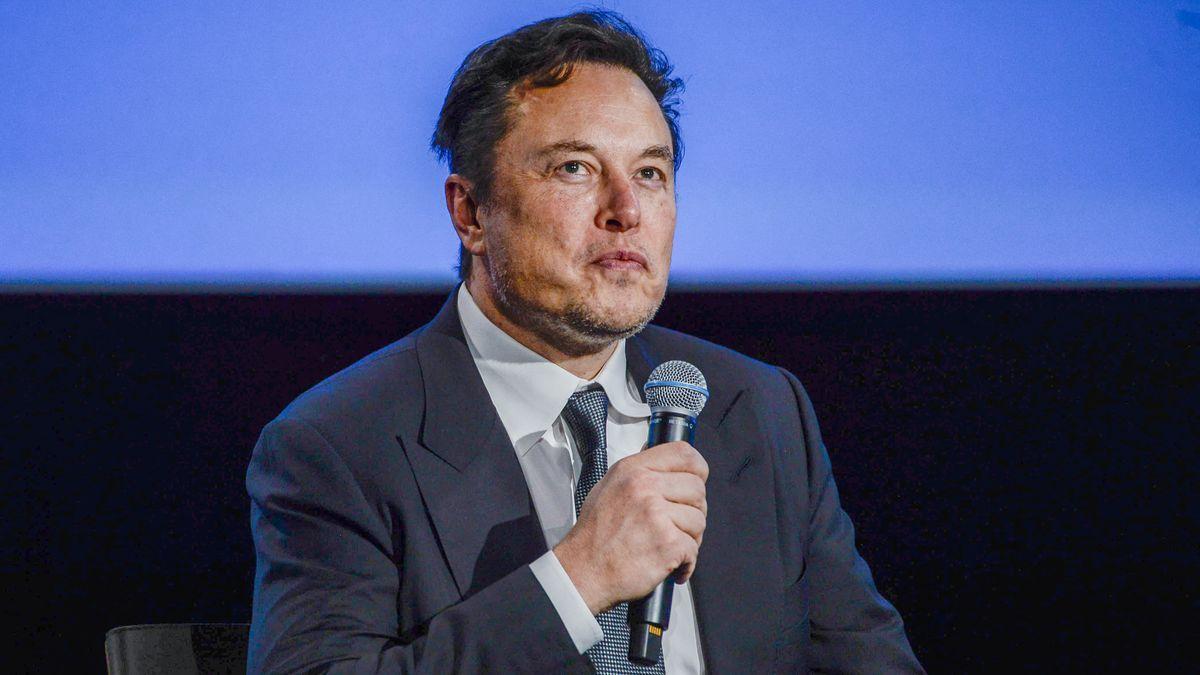
The Tesla Megapod concept faces immediate trademark complications. Mitsubishi already possesses a MegaPod trademark, and immersion-cooling specialist Submer sells a product literally called the "MegaPod"—a 40-foot, prefabricated, immersion-cooled data center rated up to 800 kW
3
. This isn't the first time Musk has faced trademark challenges—he failed to acquire a Robotaxi trademark for being too generic and faced Cybercab trademark delays after another applicant filed first2
.
Source: TechRadar
Tesla stock has been down more than 20% year-to-date in 2026, dragged by the end of the EV tax credit and shrinking margins, while other tech stocks rode the AI infrastructure surge
3
. The timing of the Megapod filing suggests an attempt to attach Tesla's narrative to the AI trade. While Tesla lacks an existing enterprise customer base for compute hardware, AI startups could potentially be attracted to its integrated ecosystem approach2
. Given Musk's track record, developments around the modular AI data center project will likely emerge through X posts or surprise launches rather than formal announcements2
.References
Summarized by

Navi
[1]
Related Stories
Tesla Unveils Cortex: A Massive AI Supercomputer for Autonomous Driving
27 Aug 2024

SpaceX acquires xAI as Elon Musk bets big on 1 million satellite constellation for orbital AI
29 Jan 2026•Technology
Tesla restarts Dojo3 supercomputer project, pivots to space-based AI compute infrastructure
19 Jan 2026•Technology

Recent Highlights



Recent Highlights
Today's Top Stories






Don’t drown in AI news. We cut through the noise - filtering, ranking and summarizing the most important AI news, breakthroughs and research daily. Follow topics that matter to you and stay ahead.


