Tesla's 'Autonomous' Robotaxis to Rely on Remote Human Operators


5 Sources
[1]
Tesla Is Looking to Hire a Team to Remotely Control Its 'Self-Driving' Robotaxis
Elon Musk's "fully autonomous" cars will, like other robotaxi vehicles, rely on remote human pilots. Elon Musk has promised that his EV company Tesla will roll out "fully autonomous" vehicles in the next few years. Musk recently unveiled what he called the "Cybercab" and said that Tesla plans to
[2]
Tesla seeks human 'remote operators' to help 'autonomous' robotaxi service
A new job listing hints the Cybercab fleet may not be as 'full self-driving' as advertised. Tesla may advertise its impending Cybercab robotaxi fleet as a self-driving service, but new job listings indicate human workers may still be required to remotely drive the cars. As spotted on Wednesday by
[3]
As Tesla Struggles to Make Self-Driving Work, It's Hiring a Team to Remote-Control Its Robotaxis
"As we iterate on the AI that powers them, we need the ability to access and control them remotely." For better or worse, Tesla -- under the direction of Elon Musk -- is serious about its robotaxi ambitions. And so it's preparing to use the same sneaky trick that its competitors use to make their
[4]
Tesla preps a remote control team for robotaxi - taking a page out of Waymo's book
Tesla has confirmed through a new job listing that it plans to establish a 'teleoperation' team to remote control its upcoming robotaxi fleet. It's something that Tesla really needs in order to deliver a robotaxi service, and something that market leader Waymo has already deployed. Waymo and
[5]

Tesla is looking for AI Teleoperation workers: remote control robotaxis, humanoid robots
Tesla is actively hiring from its AI Teleoperation team, with successful applicants needing to use a state-of-the-art VR rig to remotely use and train their robotaxis and humanoid robots. We last heard that the company was paying $48 per hour for staffers to wear a motion capture suit and use a VR
Share
Copy Link
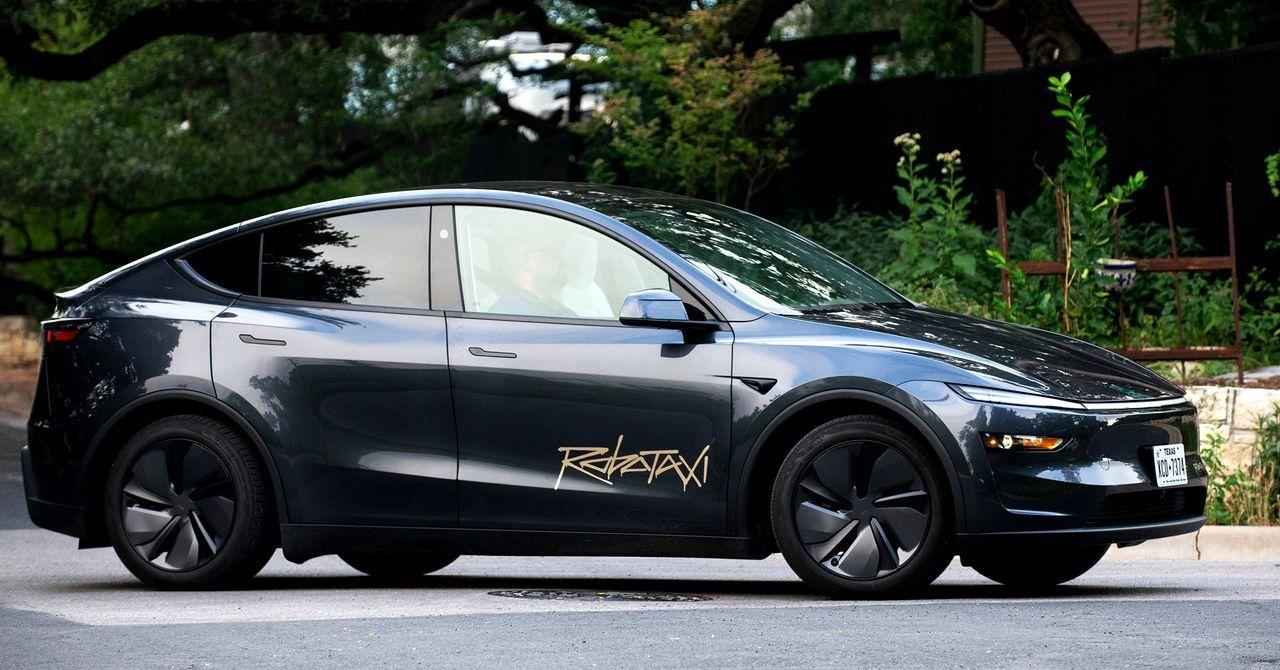
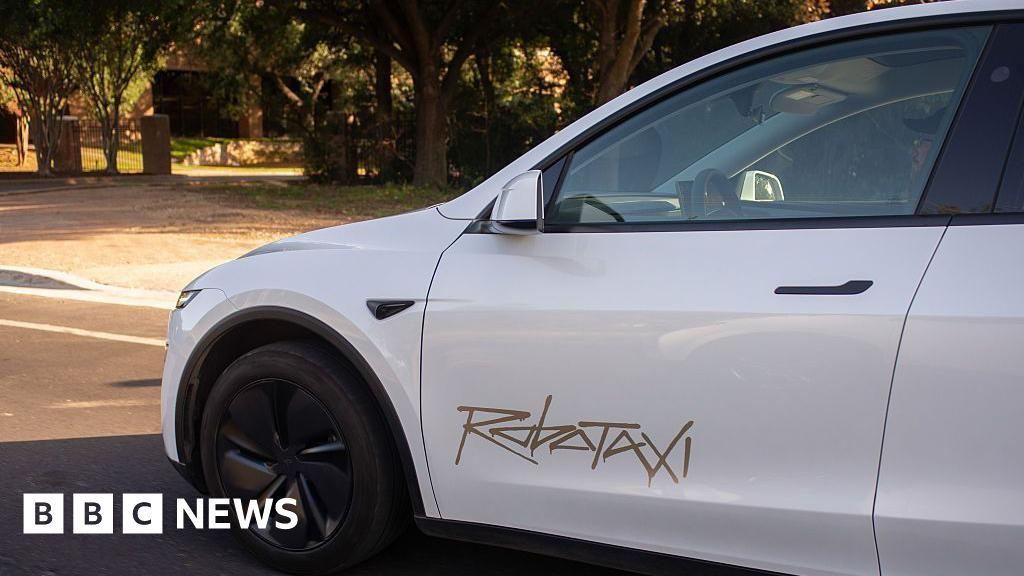
Tesla is hiring a team for remote teleoperation of its upcoming robotaxi fleet, revealing that its 'fully autonomous' vehicles will require human intervention, similar to competitors in the industry.

Tesla's Robotaxi Plans Reveal Reliance on Human Intervention
Tesla, the electric vehicle giant led by Elon Musk, is preparing to launch its much-anticipated robotaxi service. However, recent job listings have revealed that these "fully autonomous" vehicles will rely on remote human operators, challenging the notion of true self-driving technology
1
.The Role of Remote Operators
Tesla is actively recruiting for its AI Teleoperation team, which will be responsible for providing remote access to the company's robotaxis and humanoid robots
2
. The job listing states:"Our cars and robots operate autonomously in challenging environments. As we iterate on the AI that powers them, we need the ability to access and control them remotely."
3
Remote operators will use state-of-the-art VR rigs to be "transported into the device's world," allowing them to take control of vehicles when necessary
4
.Industry Standard Practice
Tesla's approach aligns with industry norms. Competitors such as Waymo, Cruise, and Zoox also employ remote human assistants to troubleshoot their autonomous vehicles when they encounter difficulties
1
. This revelation highlights a broader trend in the autonomous vehicle industry, where products marketed as "autonomous" or AI-powered often rely on human intervention behind the scenes.Implications for Tesla's Autonomous Claims
The need for remote operators raises questions about Tesla's claims of "full autonomy." Currently, Tesla's Autopilot and Full Self-Driving capabilities are considered Level 2 autonomy, requiring constant human supervision
3
. The introduction of remote operators suggests that achieving true Level 5 autonomy remains a challenge.Technical Challenges and Development
Tesla's job listing emphasizes the need for "highly optimized low latency reliable data streaming over unreliable transports in the real world"
5
. This highlights the complex technical challenges involved in creating a reliable remote operation system for autonomous vehicles.Related Stories


Timeline and Competition
Elon Musk has projected the launch of Tesla's robotaxi service by 2026
1
. However, the company faces stiff competition from established players like Waymo, which has been operating commercial robotaxi services in several markets for years4
.Broader Industry Trends
The reliance on remote human operators reflects a larger pattern in the tech industry. Many AI-powered products and services, including chatbots like ChatGPT, have been revealed to depend on human workers for critical functions
1
. This trend challenges the public perception of fully autonomous AI systems and raises questions about the current state of AI technology.References
Summarized by

Navi
[2]
[3]
Related Stories
Recent Highlights



Recent Highlights
Today's Top Stories



Don’t drown in AI news. We cut through the noise - filtering, ranking and summarizing the most important AI news, breakthroughs and research daily. Follow topics that matter to you and stay ahead.


