Tesla's Autopilot Fails YouTuber's Visual Spoofing Test, Sparking Debate on AI-Driven Car Safety


2 Sources
[1]
Tesla Autopilot Car Drove Into a Giant Photo of a Road
Famous YouTube creator and former NASA engineer Mark Rober, who provides his 65 million subscribers with scientific entertainment videos, put Tesla's vision-based safety features up against a LiDAR system, and the results, although arguably flawed, highlight the limitations of vision-based
[2]
YouTuber Crashes Tesla Into Fake Road Wall, Fooling Vehicle Cameras In Misleading Video - Tesla (NASDAQ:TSLA)
Former NASA engineer and YouTuber Mark Rober pitted Tesla Inc's TSLA Autopilot system against a lidar system from Luminar Technologies Inc LAZR in his latest video. Although the road conditions were terrible, the results were clear, but there's a catch. What To Know: Rober is one of the most
Share
Copy Link
Popular YouTuber Mark Rober's video comparing Tesla's vision-based Autopilot system with LiDAR technology raises questions about the safety and limitations of AI-driven autonomous vehicles.

YouTuber Puts Tesla's Autopilot to the Test
In a viral video that has garnered nearly 11 million views, popular YouTuber and former NASA engineer Mark Rober has ignited a debate on the safety and limitations of AI-driven autonomous vehicles. Rober, known for his scientific entertainment content, pitted Tesla's vision-based Autopilot system against LiDAR technology in a series of tests designed to challenge the capabilities of self-driving car systems
1
.The Controversial "Wile E. Coyote" Test
The most striking experiment in Rober's video involved a life-sized photograph of an open road printed on a styrofoam wall. While a vehicle equipped with Luminar's LiDAR technology successfully detected and stopped before the obstacle, Tesla's Autopilot system failed to recognize the deception, causing the car to drive straight through the fake wall
2
.Limitations of Vision-Based Systems
Rober's tests highlighted potential weaknesses in purely vision-based autonomous systems. The Tesla vehicle also struggled in simulated adverse weather conditions, such as heavy fog and downpours, where the LiDAR-equipped car performed better
1
. These results have raised questions about the ability of vision-only systems to handle complex real-world scenarios and their vulnerability to visual spoofing.Controversy and Criticism
Despite the video's popularity, it has faced criticism for potentially misleading viewers. Forbes noted that Rober used an older version of Tesla's Autopilot system, which is classified as a Level 2 driver-assistance technology, rather than a fully autonomous system
2
. This distinction is crucial, as Tesla's current commercially available vehicles are not designed for complete self-driving capabilities.The LiDAR vs. Vision Debate
The experiment has reignited the debate between proponents of LiDAR and vision-based systems for autonomous vehicles. While companies like Luminar champion LiDAR for its superior 3D mapping capabilities, Tesla has consistently argued that vision-based systems using traditional optical cameras are more cost-effective and can improve over time through AI learning
1
.Related Stories
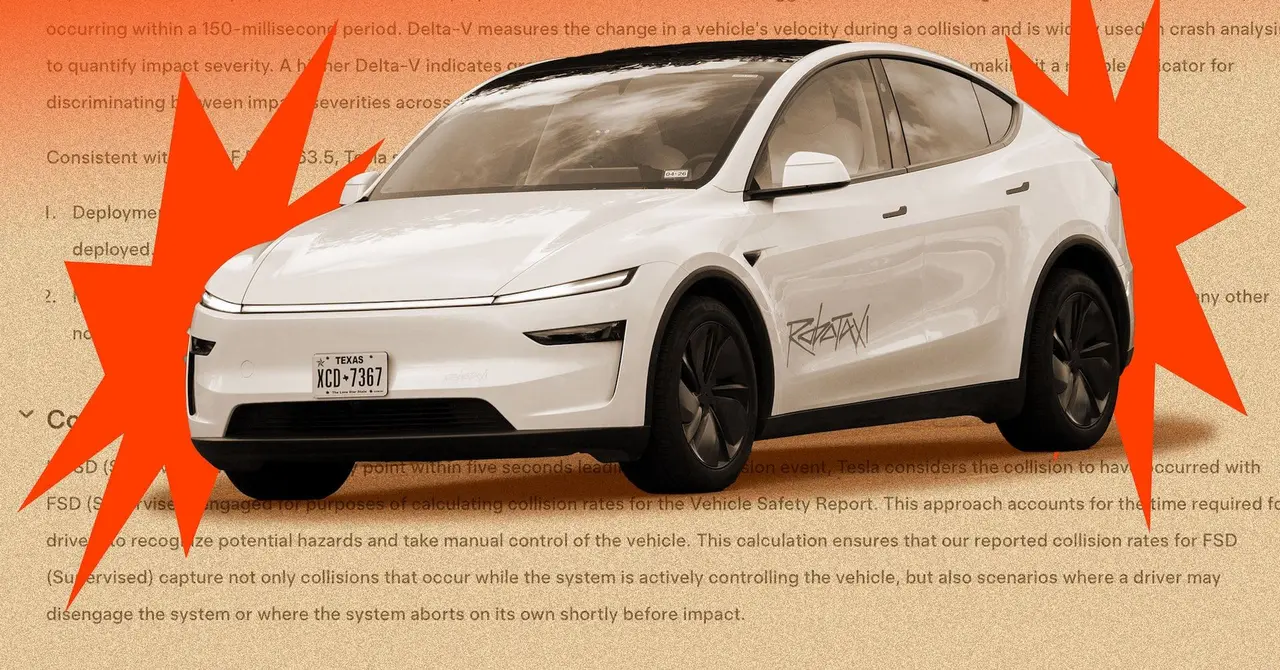
Implications for the Future of Autonomous Vehicles
Rober's video raises important questions about the development of truly safe and reliable autonomous vehicles. As the industry progresses towards higher levels of autonomy, it becomes increasingly clear that a combination of different imaging technologies, including vision, LiDAR, and radar, may be necessary to handle the unpredictable nature of real-world driving conditions
1
.Market Response
The video's impact extended beyond the realm of technology discussions, influencing market perceptions as well. Following the release of Rober's experiment, shares of Luminar Technologies Inc. saw a significant boost, rising more than 24% in a single trading session
2
.References
Summarized by

Navi
Related Stories
Tesla's Robotaxi Launch Faces Scrutiny Amid Safety Concerns and Erratic Driving Reports
25 Jun 2025•Technology
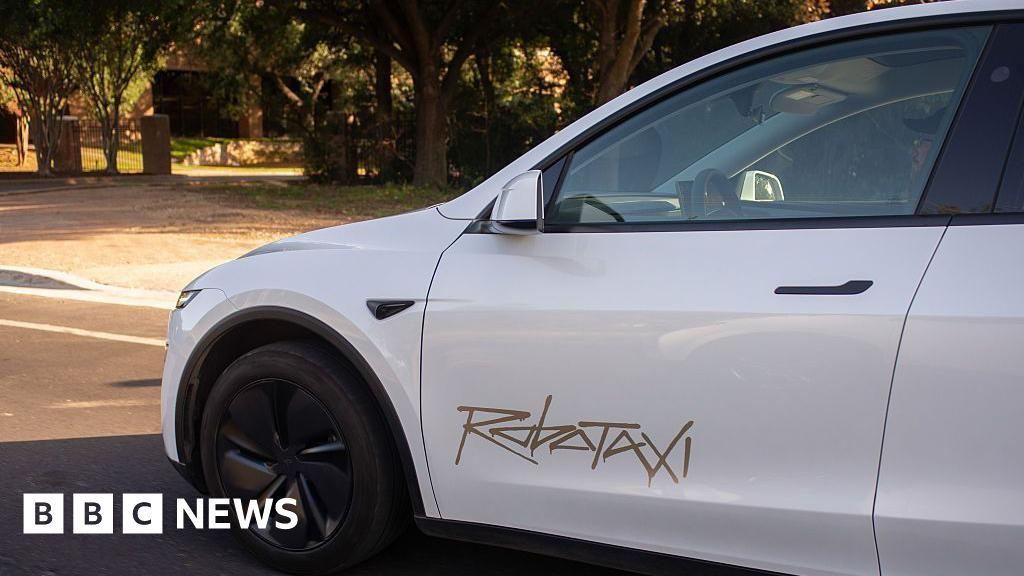
Waymo vs Tesla: Autonomous Vehicles Battle Intensifies as Cybercab Launch Looms
27 Aug 2026•Technology

Tesla's Full Self-Driving Technology Faces Growing Safety Concerns and Launch Doubts
29 Aug 2024

Recent Highlights



Recent Highlights
Today's Top Stories



Don’t drown in AI news. We cut through the noise - filtering, ranking and summarizing the most important AI news, breakthroughs and research daily. Follow topics that matter to you and stay ahead.


