Tesla's Optimus Robot Faces Export Hurdles in China Amid Rare Earth Magnet Concerns


2 Sources
[1]
Tesla's Optimus robot trips over China export licensing
Officials seek assurances that bot won't be used for military applications Elon Musk says supply chain disruption in China held up delivery of a key component for Tesla's "Optimus" robot, with authorities reportedly demanding an export license and guarantees about military applications. During an
[2]
Musk says China's blocking of rare earth magnets will hit Tesla humanoid robots
Tesla CEO Elon Musk said Tuesday that China's decision to block the exports of rare earth magnets in response to President Trump's tariffs will slow the rate of production for the company's Optimus robots, which are set to perform human daily functions. Musk said the rare earth magnets are needed
Share
Copy Link
Tesla's production of Optimus humanoid robots hits a snag as China demands export licenses for rare earth magnets, citing military use concerns. Elon Musk addresses the issue during Tesla's Q1 earnings call, revealing ambitious production targets despite supply chain challenges.

Tesla's Optimus Robot Faces Chinese Export Hurdles
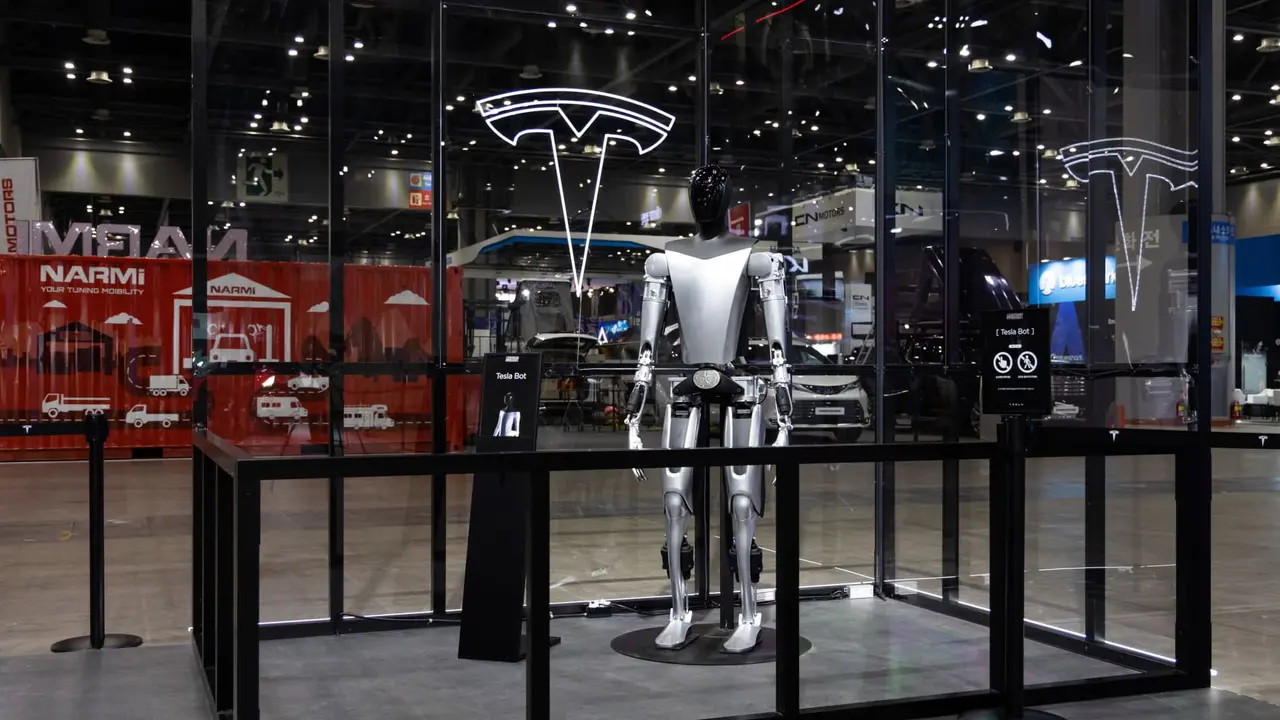
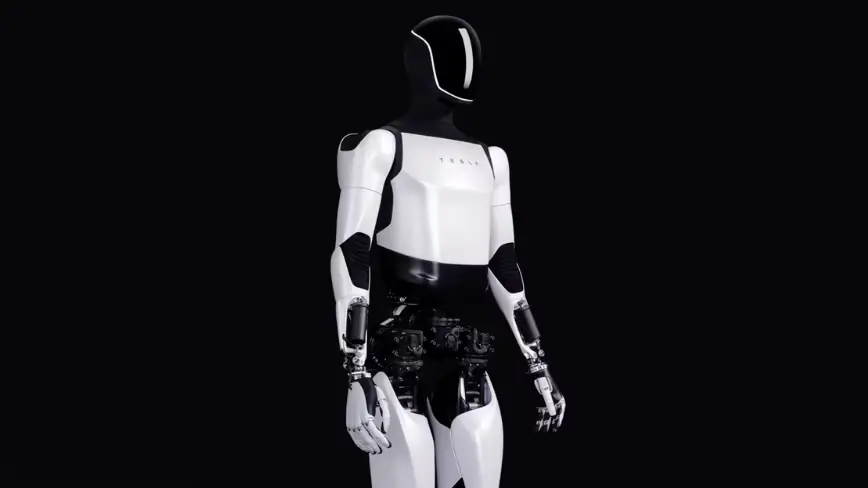
Tesla's ambitious plans for its Optimus humanoid robot have hit a significant roadblock as China imposes export restrictions on rare earth magnets, crucial components for the robot's motors. During Tesla's Q1 2025 earnings call, CEO Elon Musk revealed that the company is grappling with supply chain disruptions in China, potentially delaying the production ramp-up of the Optimus robot
1
.Export License and Military Use Concerns
Chinese officials are demanding export licenses for rare earth magnets, seeking assurances that these components won't be used for military applications. Musk emphasized that the magnets are intended solely for the humanoid robot, stating, "They're just going into a humanoid robot. So that's not a weapon system"
1
. The CEO expressed hope that Tesla would obtain the necessary licenses to use the rare earth magnets, which are critical for the robot's functionality, particularly in allowing its arms to fit into small spaces2
.Supply Chain Challenges and Production Targets
Musk highlighted the complexity of manufacturing the Optimus robot, noting that it comprises approximately 10,000 unique components. He explained, "There's not like an existing supply chain for the motors, gearboxes, electronics, actuators, really anything in the Optimus apart from the AI4, the Tesla AI computer, which is the same as the one in the car"
1
. Despite these challenges, Musk remains optimistic about Tesla's ability to scale up production rapidly.Ambitious Production Goals
Tesla aims to produce thousands of Optimus robots by the end of 2025, with an initial run of about 5,000 units intended for internal use in Tesla factories. Musk boldly predicted, "I feel confident in getting to a million units per year in less than five years. So, by 2030, I feel confident in predicting a million Optimus units per year. It might be 2029"
1
. These ambitious targets underscore the potential significance of the Optimus project for Tesla's future.Related Stories

Tesla's Financial Performance and Leadership Concerns
The news of the Optimus production challenges comes amid a challenging financial quarter for Tesla. The company reported a 20% decline in revenue to $12.925 billion and a 70% year-on-year plunge in net income to $420 million for Q1 2025
1
. These financial setbacks, coupled with Musk's involvement in government initiatives, have raised concerns among some investors about Tesla's leadership focus.Musk's Government Role and Investor Scrutiny
Musk announced plans to reduce his involvement in the Department of Government Efficiency (DOGE) starting in May, citing the need to prevent waste and fraud from resurging
2
. However, a group of eight state treasurers has questioned Musk's leadership, expressing concerns about his divided attention across multiple companies and his high-profile advisory role within the federal government2
.As Tesla navigates these complex challenges, the company's ability to overcome supply chain hurdles and deliver on its ambitious Optimus robot production targets will be closely watched by investors and industry observers alike.
References
Summarized by

Navi
[1]
Related Stories
Elon Musk Bets Tesla's Future on Optimus Robots Amid EV Sales Slump
03 Sept 2025•Technology
Tesla Starts Optimus Robot Production at Fremont as Profit Drops 43% on Heavy AI Spending
22 Oct 2026•Technology

Elon Musk says Tesla Optimus is hardest product to scale, warns of supply chain challenges
23 Jul 2026•Technology
Recent Highlights



Recent Highlights
Today's Top Stories



Don’t drown in AI news. We cut through the noise - filtering, ranking and summarizing the most important AI news, breakthroughs and research daily. Follow topics that matter to you and stay ahead.


