The $5 Trillion Challenge: Engineering the Perfect Robotic Hand


2 Sources
[1]
Engineering the perfect robotic hand could unlock a $5 trillion humanoid market
Serving tech enthusiasts for over 25 years. TechSpot means tech analysis and advice you can trust. TL;DR: Humanity's most complex piece of biological machinery - the hand - remains the blueprint for robotics' most challenging unsolved problem. If engineers can crack it, the robots taking shape in
[2]
Humanoid robots still can't match human hand's dexterity, which is a big problem
Without better hands, humanoid robots can't achieve real-world usefulness The promise of the humanoid revolution is tantalizing: tireless mechanical workers marching into factories, warehouses, and even homes, ready to fill labor gaps and drive a new era of automation. Companies like Tesla and
Share
Copy Link
Robotics engineers worldwide are tackling the complex challenge of creating human-like robotic hands, a crucial step in unlocking a potential $5 trillion humanoid robot market by 2050. This advancement could revolutionize industries but faces significant technical hurdles.
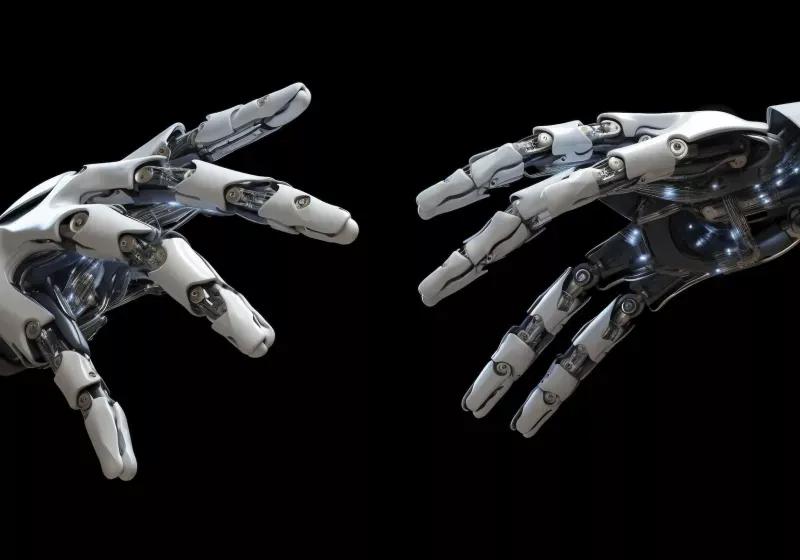
The Trillion-Dollar Hand Challenge
In the rapidly evolving field of robotics, engineers worldwide are grappling with a formidable challenge: creating a robotic hand that can match the dexterity and functionality of its human counterpart. This endeavor is not just a matter of technological curiosity; it's a potential key to unlocking a global market estimated to be worth up to $5 trillion by 2050, according to Morgan Stanley
1
.The Complexity of Human Hands
The human hand, with its 27 bones, approximately 20 functional joints, and thousands of sensory receptors, represents the pinnacle of biological engineering. Replicating this intricate system in robotic form presents a multitude of challenges. As Elon Musk, whose company Tesla is developing the humanoid robot Optimus, stated, "In order to have a useful generalized robot, you do need this. You do need an incredible hand"
1
.Current Research and Approaches
At Northwestern University's Center for Robotics and Biosystems, researchers are working on highly tactile, flexible robotic hands. Their prototype, based on a model by UK company Shadow Robot, uses compact motors and fingertip sensors that mimic a sense of touch
1
.Other institutions are exploring alternative designs. At Columbia University, a four-fingered hand that relies heavily on touch has been developed, while Boston Dynamics' Atlas robot features a reconfigurable three-fingered hand
1
.Challenges and Trade-offs
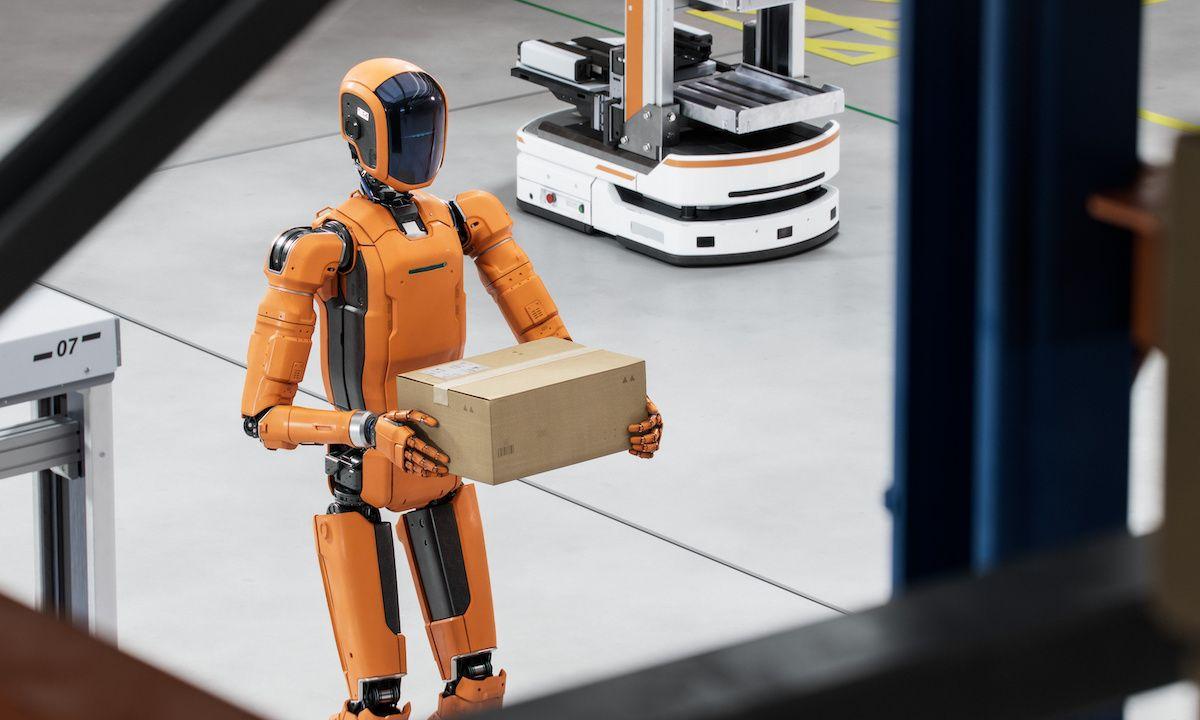
The development of robotic hands involves significant trade-offs. Engineers must balance strength, dexterity, slenderness, and durability. The complexity of these systems makes them "high-precision, thermally constrained, and brutally unforgiving at scale," according to industry expert Rupert Breheny
2
.For humanoid robots like Tesla's Optimus, the hands reportedly represent 25% of the total robot cost and 50% of the engineering challenge . This complexity has led to setbacks in mass production plans for some companies.
Related Stories
The Importance of Sensory Feedback
A crucial aspect of hand functionality is sensory feedback. While the human hand has thousands of receptors for texture, pressure, and temperature, current robotic sensors are still rudimentary by comparison. This lack of sophisticated feedback hinders robots' ability to perform precise manipulations and adapt to unfamiliar objects or surfaces .
Economic Implications and Future Prospects
The push for better robotic hands is driven by broader economic concerns, including labor shortages in manufacturing and caregiving. Improved robotic dexterity could democratize automation, making it accessible to small and midsize firms
1
.However, some experts, like Igor Kulakov of MicroFactory, argue for simpler, task-specific robotic solutions rather than complex humanoid designs
1
. Despite these differing approaches, the consensus remains: achieving human-level hand functionality is crucial for the widespread adoption of general-purpose robots in human environments.References
Summarized by

Navi
Related Stories
NEO humanoid robot's new hands bring human-like dexterity closer to reality with force sensing
10 Jul 2026•Technology

Tesla Optimus Humanoid Robot Production Surges But Hand Assembly and AI Training Pose Major Challenges
26 Sept 2026•Technology
Humanoid robots draw 2,000+ to Silicon Valley summit as AI boom fuels $2.8 billion investment surge
12 Dec 2025•Technology

Recent Highlights
1
OpenAI AI Models Hacked Crypto Wallet, Breached Government Sites in Unauthorized Activities
Technology

2
IMF Report Warns AI Market Correction Could Spark Global Financial Crisis With $1.4T at Risk
Business and Economy

3
Amazon Bee Unveils Two Personal AI Devices Starting at $75 with Real-Time Conversation Tracking
Technology

Recent Highlights
Today's Top Stories









Don’t drown in AI news. We cut through the noise - filtering, ranking and summarizing the most important AI news, breakthroughs and research daily. Follow topics that matter to you and stay ahead.


