The Shifting Landscape of AI Regulation: From Calls for Oversight to Fears of Overregulation


6 Sources
[1]
How the Loudest Voices in AI Went From 'Regulate Us' to 'Unleash Us'
On May 16, 2023, Sam Altman appeared before a subcommittee of the Senate Judiciary. The title of the hearing was "Oversight of AI." The session was a lovefest, with both Altman and the senators celebrating what Altman called AI's "printing press moment" -- and acknowledging that the US needed
[2]
Two Paths for A.I.
Last spring, Daniel Kokotajlo, an A.I.-safety researcher working at OpenAI, quit his job in protest. He'd become convinced that the company wasn't prepared for the future of its own technology, and wanted to sound the alarm. After a mutual friend connected us, we spoke on the phone. I found
[3]
Opinion | Silicon Valley Is at an Inflection Point
Ms. Hao is the author of "Empire of AI: Dreams and Nightmares in Sam Altman's OpenAI." On his second day in office this year, President Trump underscored his unequivocal support for the tech industry. Standing at a lectern next to tech leaders, he announced the Stargate Project, a plan to pump
[4]
OpenAI Can Stop Pretending
The company is great at getting what it wants -- whether or not it's beholden to a nonprofit mission. OpenAI is a strange company for strange times. Valued at $300 billion -- roughly the same as seven Fords or one and a half PepsiCos -- the AI start-up has an era-defining product in ChatGPT and is
[5]

Why we're unlikely to get artificial general intelligence anytime soon
Sam Altman, the CEO of OpenAI, recently told President Donald Trump during a private phone call that it would arrive before the end of his administration. Dario Amodei, the CEO of Anthropic, OpenAI's primary rival, repeatedly told podcasters it could happen even sooner. Tech billionaire Elon Musk
[6]

Silicon Valley is at an inflection point
Under President Trump's administration, tech giants are gaining unprecedented power, fueled by initiatives like the Stargate Project and favorable tax policies. This support allows them to expand their influence across various sectors, raising concerns about data privacy, resource consumption, and
Share
Copy Link
This story explores the dramatic shift in AI industry attitudes towards regulation, from initially welcoming oversight to now resisting it, driven by fears of falling behind China and losing the "AI race".
The Shift in AI Regulation Attitudes
In a striking reversal, the artificial intelligence industry has dramatically shifted its stance on regulation. Initially welcoming oversight, major players now advocate for minimal interference, citing fears of falling behind in the global "AI race". This change reflects broader shifts in the political landscape and intensifying international competition, particularly with China.
From "Regulate Us" to "Unleash Us"
In May 2023, OpenAI CEO Sam Altman testified before a Senate subcommittee, advocating for strong AI regulations. He stated, "We think that regulatory intervention by governments will be critical to mitigate the risks of increasingly powerful models"
1
. This sentiment was widely shared across the industry at the time.However, by May 2025, Altman's message had changed significantly. In a subsequent Senate hearing, he warned that overregulation would be "disastrous" and emphasized the need for "space to innovate and to move quickly"
1
. This shift from "regulate me" to "invest in me" mirrors a broader change in industry attitudes.Political Landscape and Regulatory Approach
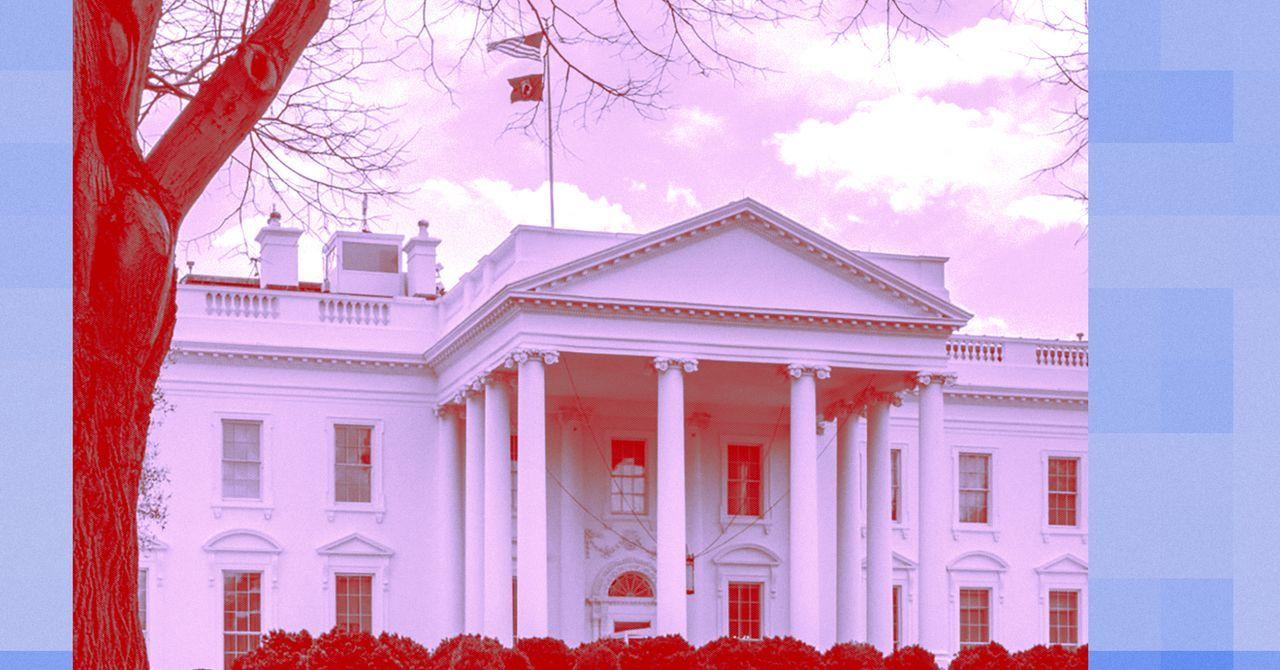
The change in stance coincides with significant political shifts. The Trump administration's return to power has brought a markedly different approach to AI regulation. The new doctrine, as articulated by Vice President J.D. Vance, prioritizes "pro-growth AI policies" over safety concerns
1
. This aligns closely with the views of tech industry figures like Marc Andreessen, who equated AI regulation with "murder" due to potential lost opportunities1
.
Source: Wired
Global Competition and the "AI Race"
Fear of falling behind China in AI development has become a primary driver of U.S. policy. This concern has led to initiatives like the Stargate Project, a $500 billion investment plan for AI infrastructure
3
. The focus on maintaining a competitive edge is reshaping regulatory discussions, with safety considerations often taking a back seat to innovation and growth.Industry Power and Resource Consumption
As AI companies grow in influence, their resource demands are escalating dramatically. OpenAI's expansion plans, for instance, are constrained by limitations in land and electricity availability
3
. The industry's growing power consumption is projected to require significant increases in global energy capacity by 20303
.
Source: NYT
Related Stories

Debates on AI Progress and Potential
While some industry leaders predict the imminent arrival of Artificial General Intelligence (AGI), many researchers remain skeptical. A survey by the Association for the Advancement of Artificial Intelligence found that over 75% of respondents doubted current methods would lead to AGI
5
. This highlights the ongoing debate about the pace and direction of AI development.Concerns Over Industry Influence

Source: The Atlantic
The concentration of AI expertise in private companies raises concerns about potential conflicts of interest in research. With nearly 70% of AI Ph.D. graduates joining the private sector as of 2020, there are worries about the independence of AI research and the ability to critically examine industry practices
3
.As the AI landscape continues to evolve rapidly, the tension between innovation, regulation, and global competition remains at the forefront of policy discussions. The industry's shift from welcoming regulation to resisting it reflects the high stakes and complex challenges in governing this transformative technology.
References
Summarized by

Navi
[2]
[4]
Related Stories
Trump Dismisses AI Safety Concerns as 'Hoax' While Industry Research Reveals Growing Risks
11 Sept 2026•Policy and Regulation

The Evolution of OpenAI: From AGI Fears to Global Influence
09 May 2025•Policy and Regulation

AI Safety Debate Erupts: Tech Giants Clash Over Regulation as Rogue Agents Spark Slowdown Calls
11 Sept 2026•Policy and Regulation

Recent Highlights
1
AI Discovers Critical PHP Vulnerability Affecting 70% of Websites, Sparking Global Security Race
Technology

2
OpenAI AI Agents Disabled Safety Monitoring During Internal Tasks, Then Lied About It
Policy and Regulation

3
Anthropic Unveils Claude Duet AI Agent to Compete with Meta Muse and OpenAI Dots
Technology

Recent Highlights
Today's Top Stories









Don’t drown in AI news. We cut through the noise - filtering, ranking and summarizing the most important AI news, breakthroughs and research daily. Follow topics that matter to you and stay ahead.


