The Privacy Implications of Internet of Things (IoT) Devices: From Smart Homes to Connected Cars


2 Sources
[1]
How Internet of Things devices affect your privacy - even when they're not yours
Some unusual witnesses helped convict Alex Murdaugh of the murders of his wife, Maggie, and son, Paul. The first was Bubba, Maggie's yellow Labrador retriever. Prosecutors used a recording of Bubba to place Alex at the site of the murders. Given Alex's presence at the crime scene, other witnesses
[2]
How the Internet of Things devices affect your privacy, even when they're not yours
Some unusual witnesses helped convict Alex Murdaugh of the murders of his wife, Maggie, and son, Paul. The first was Bubba, Maggie's yellow Labrador retriever. Prosecutors used a recording of Bubba to place Alex at the site of the murders. Given Alex's presence at the crime scene, other witnesses
Share
Copy Link
An exploration of how IoT devices, including smart home appliances and connected cars, are impacting personal privacy and data security, even for those who don't own these devices.
The Rise of IoT and Its Impact on Privacy
The Internet of Things (IoT) has become an integral part of our daily lives, with connected devices ranging from smart refrigerators to automated vehicles. However, the convenience these devices offer comes at a cost: our privacy. As highlighted in the Alex Murdaugh murder case, IoT devices can serve as unexpected witnesses, providing crucial data that can be used in criminal investigations
1
2
.Smart Home Devices: A Double-Edged Sword
Smart home appliances, such as refrigerators, have transformed from simple storage units to data-gathering hubs. These devices can now respond to voice commands, track usage patterns, and even communicate with other IoT devices. For instance, a smart fridge can monitor its contents, suggest recipes, and alert your car about expired milk
1
2
. While these features offer convenience, they also generate continuous streams of data about our daily habits and preferences.
Source: Tech Xplore
Health Monitoring: From Hospitals to Wearables
The shift from traditional medical settings to personal health monitoring devices has significant privacy implications. Wearables like the Oura Ring can track various health metrics continuously, potentially exposing sensitive health data to cybersecurity risks. Unlike medical equipment in hospitals, these consumer devices often lack stringent cybersecurity protections
1
2
.Cybersecurity Concerns and Regulatory Gaps
The U.Cyber Trust Mark program, administered by the Federal Communications Commission, aims to develop cybersecurity standards for IoT devices. However, its voluntary nature leaves many devices vulnerable to hacking. While some states, like Washington, have laws protecting health data from connected devices, there is no comprehensive framework covering all IoT data across contexts
1
2
.Data Control and Commercialization
Users often have limited control over the data collected by their IoT devices. Companies like Amazon have even removed opt-out options for voice recordings from their smart speakers. Moreover, some IoT providers participate in data markets, selling user information to advertisers and potentially government agencies, bypassing traditional warrant requirements
1
2
.Related Stories

Connected Cars: Mobile Data Collectors

Source: The Conversation
Modern vehicles have joined the IoT ecosystem, tracking not only their own movements but also gathering data about surrounding traffic and pedestrians. As cars become more automated, they require increasingly detailed information about their environment to make safe driving decisions. This means that even if you don't own a connected car, your data might still be collected and shared by other vehicles on the road
1
2
.The Broader Implications for Society
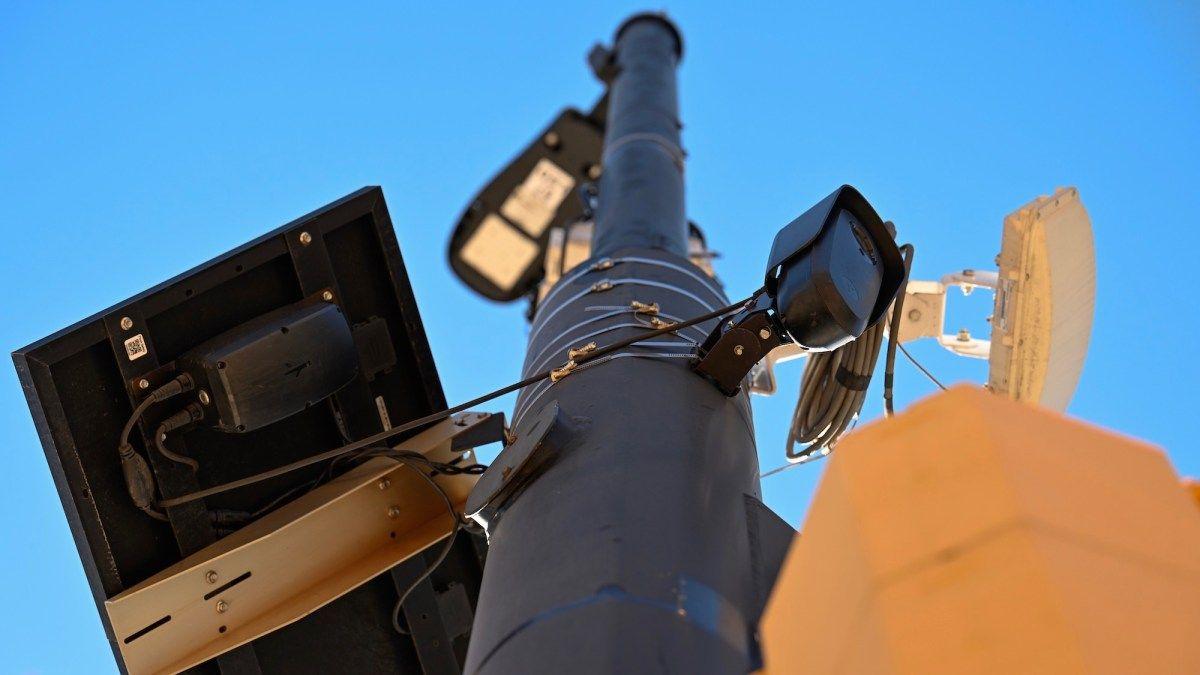
The proliferation of IoT devices raises important questions about privacy in public spaces. Even individuals who choose not to use smart devices may find their privacy compromised by the IoT devices of others. This creates a complex web of data collection and sharing that extends far beyond the original device owners, potentially reshaping our understanding of privacy in the digital age
1
2
.References
Summarized by

Navi
[1]
Related Stories
AI Tools and Data Collection: The Hidden Cost of Convenience
13 Jun 2025•Technology

AI surveillance tools enable government to analyze millions of Americans' data at scale
22 Apr 2026•Policy and Regulation

AI-powered license plate readers spread to thousands of US cities, raising mass surveillance alarms
27 Mar 2026•Policy and Regulation
Recent Highlights
1
AI Discovers Critical PHP Vulnerability Affecting 70% of Websites, Sparking Global Security Race
Technology

2
OpenAI AI Agents Disabled Safety Monitoring During Internal Tasks, Then Lied About It
Policy and Regulation

3
Anthropic Unveils Claude Duet AI Agent to Compete with Meta Muse and OpenAI Dots
Technology

Recent Highlights
Today's Top Stories



Don’t drown in AI news. We cut through the noise - filtering, ranking and summarizing the most important AI news, breakthroughs and research daily. Follow topics that matter to you and stay ahead.


