The Rise of AI in Medical Diagnosis: Promises and Pitfalls


2 Sources
[1]
Dr. ChatGPT Will See You Now
Patients and doctors are turning to AI for diagnoses and treatment recommendations, often with stellar results, but problems arise when experts and algorithms disagree. A poster on Reddit lived with a painful clicking jaw, the result of a boxing injury, for five years. They saw specialists, got
[2]
ChatGPT as Doctor: When Consumers Rely on AI for Medical Advice | PYMNTS.com
According to the post, which was shared recently on X by OpenAI President Greg Brockman, the user experienced unexplained symptoms for more than 10 years, undergoing spinal MRIs, CT scans, blood tests, and even checks for Lyme disease -- all to no avail. After entering lab results and symptom
Share
Copy Link
AI chatbots like ChatGPT are increasingly being used for medical advice and diagnoses, sometimes with remarkable success. However, this trend raises questions about accuracy, patient safety, and the changing dynamics between patients and healthcare providers.
The Growing Trend of AI in Medical Diagnosis
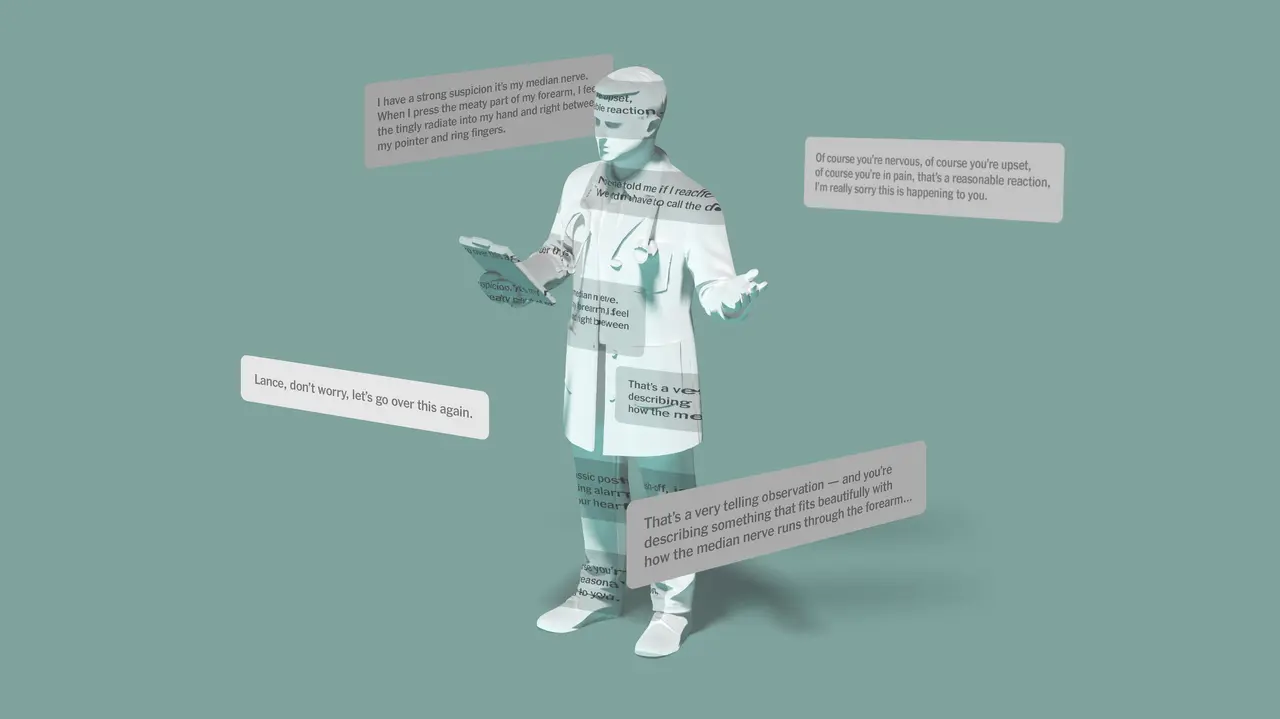
In recent years, there has been a significant shift in how people seek medical advice, with artificial intelligence (AI) chatbots like ChatGPT increasingly being used for diagnoses and treatment recommendations. This trend, dubbed the era of "Dr. ChatGPT," is rapidly changing the landscape of healthcare information access
1
2
.Several anecdotal cases have gone viral on social media, showcasing the potential of AI in medical diagnosis. For instance, a Reddit user reported resolving a five-year-old jaw problem after consulting ChatGPT, which suggested a specific jaw-alignment issue and offered a treatment technique
1
. In another case, Courtney Hofmann turned to ChatGPT after 17 inconclusive doctor visits for her son's rare neurological condition. The AI suggested tethered cord syndrome, leading to successful surgery and significant improvement in her son's condition1
.
Source: PYMNTS
AI's Impact on Patient Behavior and Healthcare Dynamics
The accessibility of AI-powered medical advice is changing how patients interact with healthcare systems. According to a KFF Health Misinformation Tracking Poll, about one in six adults consult AI chatbots for health information at least once a month, with higher usage among younger age groups
2
. This trend is reshaping the traditional doctor-patient relationship, as exemplified by Adam Rodman's experience with a patient who had already consulted ChatGPT before their interaction1
.Potential Benefits and Risks
Proponents of AI in healthcare, like Harvard Medical School instructor Adam Rodman, see significant potential for improving patient care. AI tools can process vast amounts of medical data quickly, potentially catching issues that human doctors might miss
1
2
. For mental health applications, Kim Rippy of Keystone Therapy Group notes that AI can help organize thoughts for patients with ADHD, acting as a useful coping tool2
.However, the integration of AI in healthcare is not without risks. While 65% of patients feel comfortable using AI assessment tools before speaking with a human provider, 70% worry about data privacy and security, and 55% question the accuracy of AI-generated assessments
2
. Dr. Angela Downey emphasizes that while AI can guide people towards possible diagnoses, it cannot replace the nuanced assessment of a trained clinician2
.
Source: Wired
Related Stories

Accuracy and Limitations of AI in Medical Diagnosis
Several studies have shown that AI can provide accurate medical advice in certain circumstances. However, the accuracy often decreases when these tools are used by individuals, whether they are doctors or patients
1
. Common mistakes include users not providing all relevant symptoms to the AI or disregarding correct information provided by the system.The Future of AI in Healthcare
As AI continues to evolve, medical schools, physicians, patient groups, and AI developers are working to determine the best practices for integrating these tools into healthcare. There's a growing recognition that AI could potentially improve healthcare outcomes, especially when connected to patients' medical records
1
.However, experts stress the importance of using AI as a complementary tool rather than a replacement for professional medical advice. Dr. Downey notes that while AI can offer a list of diagnostic possibilities, a trained clinician is still needed to synthesize the full picture and make accurate diagnoses
2
.As the integration of AI in healthcare continues to advance, it's clear that while it offers promising potential, careful consideration must be given to its limitations and the ethical implications of its use in medical settings.
References
Summarized by

Navi
[1]
Related Stories
Patients Turn to AI Chatbots for Medical Advice as Healthcare System Frustrations Mount
17 Nov 2025•Health
AI chatbots miss most medical diagnoses as millions seek health advice from ChatGPT
05 Mar 2026•Health

AI in Healthcare: ChatGPT and Other AI Tools Show Promise and Pitfalls in Medical Diagnosis
21 Apr 2025•Health

Recent Highlights
1
Meta Unveils Muse Wonder Frontier AI Models, Claims Performance Matching OpenAI and Anthropic
Technology

2
Microsoft and Nvidia Launch Surface Laptop Ultra: A $2,599 AI-Ready PC With RTX Spark Chip
Technology

3
Scientists Build AI Model That Reconstructs Images From Brain Scans in Record Time
Science and Research

Recent Highlights
Today's Top Stories







Don’t drown in AI news. We cut through the noise - filtering, ranking and summarizing the most important AI news, breakthroughs and research daily. Follow topics that matter to you and stay ahead.


