The Rise of Pseudolaw and AI: A Growing Threat to Legal Systems


2 Sources
[1]
Pseudolaw is high theater, but no laughing matter for the courts
The Australian legal system is grappling with a disruptive new movement that is not only tying up the courts, councils and police, but also posing an unprecedented threat to democracy. In a new paper published in the Alternative Law Journal, UniSA Associate Professor of Law Joe McIntyre documents
[2]
Pseudolaw Is High Theatre, but No Laughing Matter for the Courts | Newswise
Newswise -- The Australian legal system is grappling with a disruptive new movement that is not only tying up the courts, councils and police, but also posing an unprecedented threat to democracy. In a new paper published in the Alternative Law Journal, UniSA Associate Professor of Law Joe
Share
Copy Link
A new study highlights the alarming rise of pseudolaw in Australian courts, exacerbated by the use of AI, posing significant challenges to the legal system and democracy.
The Emergence of Pseudolaw in Australian Courts
A new study published in the Alternative Law Journal by UniSA Associate Professor of Law Joe McIntyre has shed light on a growing phenomenon in the Australian legal system: pseudolaw. This disruptive movement is characterized by false legal theories that mimic the language and rituals of the law without any real substance, posing a significant threat to the courts and democracy
1
2
.
Source: Newswise
Defining Pseudolaw and Its Impact
Pseudolaw cases have proliferated since the COVID-19 pandemic, with hundreds of cases reported in New South Wales alone in the past six months. These cases often involve so-called Sovereign Citizens who question authority, embrace conspiracy theories, and co-opt legal language to create an "alternative" legal universe
1
2
.Common pseudolaw claims include:
- Insisting that courts lack authority due to incorrect coat of arms displays
- Arguing that individuals are "natural persons" immune from legal obligations
- Citing historical documents like the Magna Carta to avoid modern legal requirements
The impact of pseudolaw on the legal system has been significant, with one South Australian judge describing it as having "changed the whole face of the civil justice system"
1
2
.The Intersection of Pseudolaw and AI
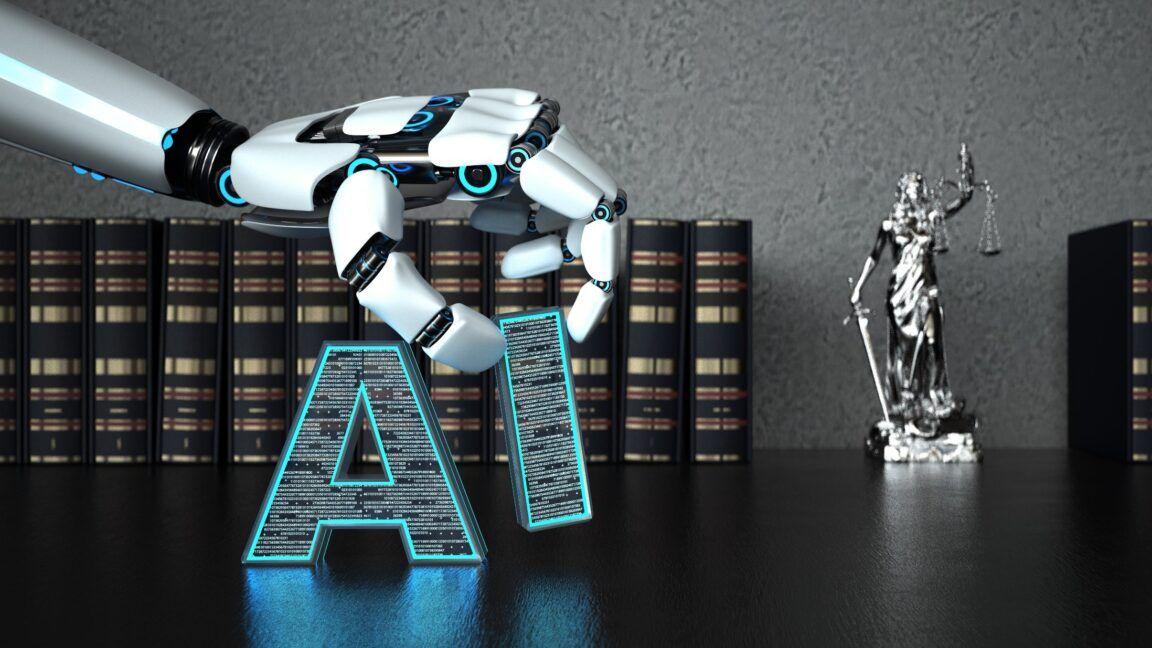
Assoc. Prof. McIntyre warns that the rise of pseudolaw is coinciding with the increasing use of generative artificial intelligence (AI), particularly large language models. This convergence poses a new threat to the justice system
1
2
.Litigants are increasingly using AI to generate:
- Written legal responses
- Real-time oral submissions to the bench
The combination of pseudolaw and AI could "turbocharge" misinformation in courts, overwhelming judges and administrators with plausible-looking but fundamentally flawed legal arguments
1
2
.Related Stories
Root Causes and Consequences
The study identifies several factors contributing to the rise of pseudolaw:
- Public alienation from the legal system
- Lack of ability to distinguish genuine law from imitation
- The legal system's use of archaic language and rituals
While pseudolaw can sometimes appear absurd or comical, its consequences are serious. It undermines trust in institutions, threatens judicial officers, and harms vulnerable litigants who may be misled by false promises of legal loopholes
1
2
.
Source: Phys.org
Addressing the Challenge
Assoc. Prof. McIntyre argues that pseudolaw is a symptom of deeper issues within the legal system, including:
- Diminishing access to justice over the past 50 years
- Chronic underinvestment in civics and legal literacy education
To combat this growing threat, the study suggests that meaningful public engagement with the law is crucial. It calls for reflection on legal institutions and how they may be contributing to the phenomenon of pseudolaw
1
2
.As the intersection of pseudolaw and AI continues to evolve, it presents a unique challenge to legal systems worldwide, demanding innovative solutions to preserve the integrity of the justice system and maintain public trust in legal institutions.
References
Summarized by

Navi
Related Stories
AI in Legal Proceedings Fuels Sharp Rise in Pro Se Litigants, Straining US Courts
26 May 2026•Entertainment and Society
AI-Generated Errors in Australian Murder Case Highlight Risks of Unverified AI Use in Legal Proceedings
15 Aug 2025•Technology

AI Hallucinations in Legal Filings: A Growing Concern for US Courts
22 Jul 2025•Policy and Regulation

Recent Highlights



Recent Highlights
Today's Top Stories



Don’t drown in AI news. We cut through the noise - filtering, ranking and summarizing the most important AI news, breakthroughs and research daily. Follow topics that matter to you and stay ahead.


