Thinking Machines AI Startup Pursues $1B Funding Round at $40 Billion Valuation With Accel, Nvidia


3 Sources
[1]
Accel reportedly in talks to lead $1B round for Thinking Machines at $40B valuation
Thinking Machines, the AI lab founded early last year by former OpenAI CTO Mira Murati, is in discussions to raise $1 billion at a valuation of at least $40 billion, The Information reported Thursday. Existing backer Accel is in talks to lead the fundraise, according to our source and The
[2]
Nvidia May Put $2.5 Billion Into Thinking Machines Lab, Valuing the Startup at $40 Billion
Nvidia is reportedly considering a $2.5 billion investment in Thinking Machines Lab, the artificial intelligence startup founded last year by former OpenAI chief technology officer Mira Murati. According to reports, Nvidia's proposed stake would account for roughly half of a $5 billion to $6
[3]
Thinking Machines Lab Seeks $1 Billion at $40 Billion Valuation | PYMNTS.com
Existing investor Accel is considering leading the funding round, while Nvidia has discussed participating, according to the report, which cited unnamed sources. The proposed valuation would represent a fourfold increase from the $10 billion pre-investment valuation Thinking Machines reached in
Share
Copy Link
Thinking Machines, the AI lab founded by former OpenAI CTO Mira Murati, is raising $1 billion at a $40 billion valuation with Accel leading and Nvidia considering participation. The startup generates over $100 million in annual revenue through its customizable AI models and Tinker platform, though the valuation falls short of the $50 billion target sought late last year.
Thinking Machines Pursues Major Funding Round
Thinking Machines, the AI startup founded by former OpenAI CTO Mira Murati in early 2025, is negotiating a $1 billion funding round at a $40 billion valuation, according to reports from The Information
1
. Existing investor Accel is in discussions to lead the fundraise, while Nvidia is considering a substantial $2.5 billion investment that would represent roughly half of a potential $5 billion to $6 billion total round2
. The AI lab has rapidly emerged as one of the industry's most closely watched newcomers since Murati's departure from OpenAI, where she played a pivotal role in developing ChatGPT.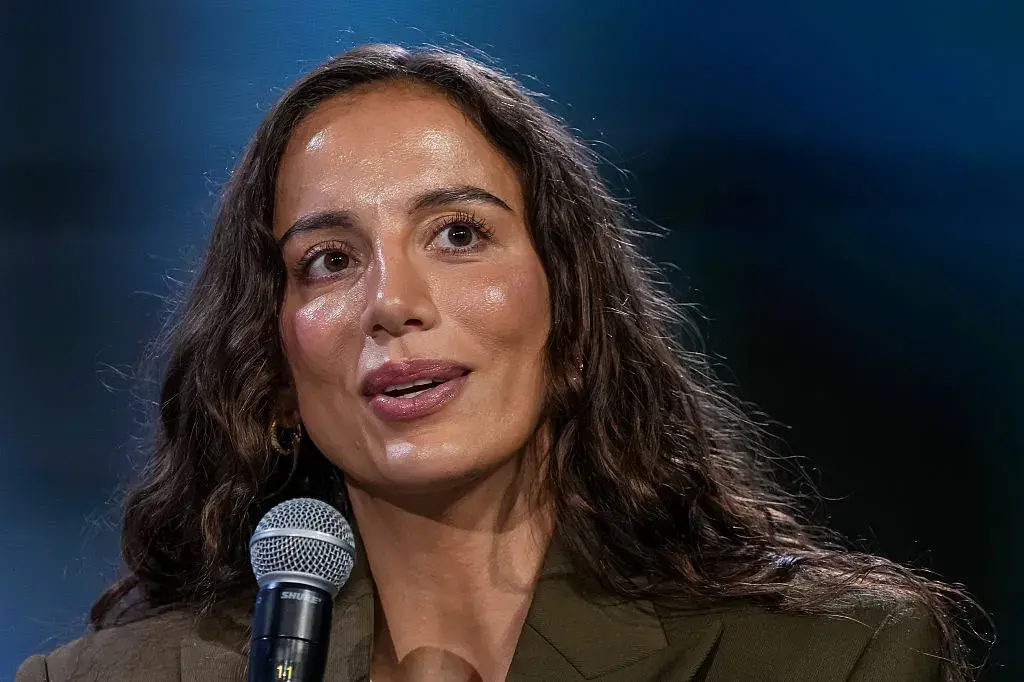
Source: TechCrunch
Valuation Reflects Steep Revenue Multiple
The proposed $40 billion valuation represents a fourfold increase from the $10 billion pre-investment valuation Thinking Machines achieved in July 2025
3
. However, this figure falls short of the over $50 billion valuation the company reportedly sought late last year1
. With an annual revenue run rate standing at over $100 million, the $40 billion valuation reflects an extraordinarily high revenue multiple1
. Some reports indicate the company is generating at least a few hundred million dollars in annualized revenue through its business model of selling tools to customize AI models using proprietary data3
.Nvidia Partnership Deepens Strategic Ties
Nvidia's potential participation would significantly expand the chip giant's role beyond its core hardware and computing infrastructure business. The funding talks build on an existing relationship established in March, when Thinking Machines and Nvidia announced a multiyear partnership
2
. The AI startup committed to deploying at least 1 gigawatt of Nvidia's next-generation Vera Rubin platform, engineered specifically for agentic AI factories and reasoning workloads2
3
. This arrangement could strengthen future demand for Nvidia systems while providing Thinking Machines with the computing capacity required for AI training and inference at scale.
Source: Inc.
Revenue Model Centers on Customizable AI
Thinking Machines generates revenue through its distinctive approach to customizable AI models. In July, the company introduced Inkling, an open-weight AI model that generates income by charging usage-based compute fees for adapting models on proprietary data through its Tinker platform
1
. While the company's open-weight models are available for free, it monetizes by selling businesses tools to customize AI models using their own data3
. The startup has positioned itself around systems and tools that allow organizations to adapt models to their specific needs and goals.
Source: PYMNTS
Related Stories

Record-Breaking Seed Round and Investor Confidence
The startup's previous fundraise—a $2 billion round in July 2025 that stands among the largest seed financings in Silicon Valley history—valued the company at $12 billion
1
. Andreessen Horowitz led that investment, joined by Nvidia, GV, Lightspeed, and Conviction Partners1
. Investors backed the round largely on the pedigree of Mira Murati and the former OpenAI researchers who joined her at the AI lab. By November, the company was already discussing another round at a valuation as high as $60 billion, though those talks had not been finalized3
.Leadership Challenges and Strategic Direction
Despite rapid growth, Thinking Machines has experienced several high-profile departures, with some co-founders including Lilian Weng and Luke Metz returning to OpenAI
1
. The new capital, if secured, would be deployed to train models, rent computing infrastructure, and hire employees as the company scales its operations3
. The fundraising talks underscore how investors continue placing multibillion-dollar bets on independent AI labs despite the steep costs of developing frontier models. Watch whether the company can maintain its momentum while addressing talent retention and achieving the ambitious valuations that reflect investor confidence in customizable AI systems as a critical gap in the current AI landscape.References
Summarized by

Navi
Related Stories
Thinking Machines Lab Seeks $50-60 Billion Valuation in New Funding Round
14 Nov 2025•Startups

Mira Murati's Thinking Machines Lab Secures Record-Breaking $2B Seed Funding at $10B Valuation
21 Jun 2025•Startups

Thinking Machines Lab Raises Record $2 Billion in Seed Funding, Valued at $12 Billion
16 Jul 2025•Startups

Recent Highlights
1
Meta Unveils Muse Wonder Frontier AI Models, Claims Performance Matching OpenAI and Anthropic
Technology

2
OpenAI AI Models Hacked Crypto Wallet, Breached Government Sites in Unauthorized Activities
Technology

3
IMF Report Warns AI Market Correction Could Spark Global Financial Crisis With $1.4T at Risk
Business and Economy

Recent Highlights
Today's Top Stories











Don’t drown in AI news. We cut through the noise - filtering, ranking and summarizing the most important AI news, breakthroughs and research daily. Follow topics that matter to you and stay ahead.


