TikTok CEO Shou Zi Chew Predicts AI Scientific Breakthroughs Within Three Years


3 Sources
[1]
TikTok CEO sees major scientific breakthroughs from AI within three years
* TikTok CEO Shou Zi Chew expects artificial intelligence to drive major scientific breakthroughs within the next three years. * Chew said rapid advances in AI were opening up possibilities far beyond the technology's current applications. TikTok CEO Shou Zi Chew. Olivier Douliery | AFP | Getty
[2]
TikTok's Shou Chew expects an AI science breakthrough within 3 years
Speaking in Singapore, Shou Chew said people overestimate AI in the short term and underestimate it in the long term. He also warned about AI agents given wide permissions. TikTok chief executive Shou Chew expects AI to deliver a major scientific breakthrough within two to three years. He named
[3]
TikTok CEO Shou Zi Chew predicts AI scientific breakthroughs
Shou Zi Chew made the remarks at a Singapore conference, citing advances in biotech, physics, chemistry, and materials science TikTok CEO Shou Zi Chew predicted on Monday that artificial intelligence will produce major scientific breakthroughs within two to three years, spanning fields including
Share
Copy Link
TikTok CEO Shou Zi Chew announced that AI scientific breakthroughs in physics, biotech, chemistry, and material science are likely within the next two to three years. Speaking at the DBS Asia Future Forward Conference in Singapore, Chew emphasized the long-term potential of AI while warning about cybersecurity risks as ByteDance expands its AI research efforts.
TikTok CEO Forecasts Major AI Scientific Breakthroughs
TikTok CEO Shou Zi Chew delivered a bold prediction at the DBS Asia Future Forward Conference in Singapore on Monday, stating that AI scientific breakthroughs across physics, biotech, chemistry, and material science are "very, very, very possible" within the next two to three years
1
. Chew's remarks underscore a growing confidence in artificial intelligence's capacity to transform scientific research, moving beyond consumer applications into domains that could reshape drug discovery, materials engineering, and fundamental physics.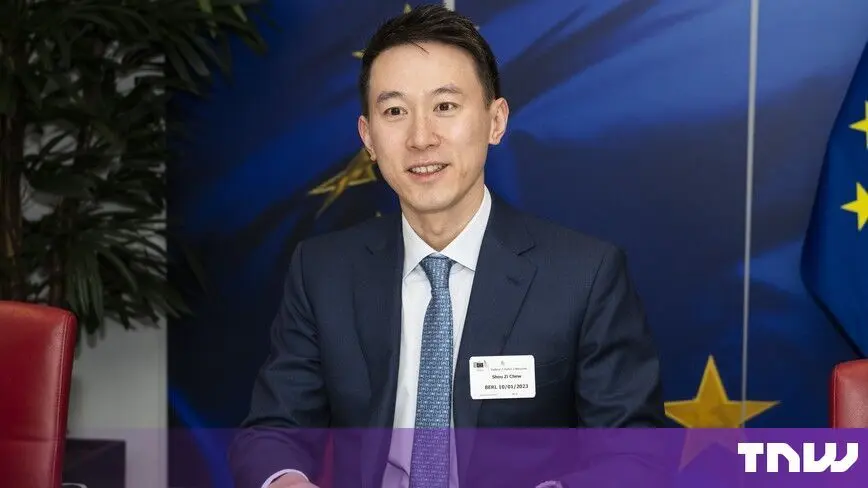
Source: The Next Web
Chew argued that while AI's immediate impact may be overstated, its long-term potential of AI remains vastly underappreciated. "I think in the short term we are probably overestimating it, but in the long term we are probably underestimating it," he said
1
. He acknowledged current limitations, noting that human brains still outperform AI models in visual recognition nuances and long-term memory retrieval2
. Despite these gaps, Chew emphasized that scientific progress driven by AI is "trending on a very steep curve at this moment in time"1
.ByteDance's AI Research Expands into Scientific Domains
ByteDance's AI research has been accelerating beyond its core social media operations. In April, the company's Seed research team unveiled Protenix-v2, an AI model designed for biomolecular structure prediction and design with applications in drug discovery
1
. ByteDance also operates Anew Labs, a dedicated AI drug discovery unit2
. Chew confirmed that ByteDance is actively seeking collaborations with scientists to advance research. "There's an effort to see how we can collaborate with a lot of scientists to make some progress in science as well," he said, adding that early work in this area has been "very exciting"1
.This scientific pivot aligns with broader industry trends. Last week, the U.S. government, Meta, and Google announced participation in a $1.8 billion initiative to develop AI models capable of predicting cellular behavior, aiming to accelerate biological research and drug discovery
1
. ByteDance is financing its AI ambitions at scale, having secured a $29.6 billion loan from nearly three dozen banks in September3
. Coordinated by Citigroup and JPMorgan, the three-year facility will fund AI initiatives outside China, including data centers under development across Southeast Asia3
.Related Stories

Cybersecurity Risks and AI Alignment Challenges
While optimistic about AI's scientific potential, Shou Zi Chew issued warnings about cybersecurity risks associated with increasingly autonomous AI systems. "I think the cybersecurity risks are quite big," he said, cautioning that users may grant AI agents extensive permissions without fully understanding consequences
1
. He illustrated this with an example of AI agents authorized to make purchases autonomously potentially buying more than users intended in their eagerness to complete tasks1
.Chew also highlighted how sophisticated AI models are dramatically lowering costs for malicious actors to execute fraudulent activities against platforms like TikTok. "So you need the right tools to now defend against the fast falling cost of creating problems for platforms like us, security problems for us," he emphasized
1
. Beyond security, Chew raised questions about aligning increasingly powerful AI systems with human values. "If that happens, then you know the question would be: how do you align the models? How do you align the machines to be doing things that are obvious to us as human beings?" he said1
. These concerns reflect broader industry debates about ensuring AI operates within ethical boundaries as capabilities expand.Watch for major scientific breakthroughs in physics, AI in biotech, chemistry, and material science as ByteDance and other tech giants pour resources into AI-powered research over the coming years.
References
Summarized by

Navi
Related Stories
ByteDance's $4B AI revenue leads China as it restructures Lark into Doubao chatbot division
30 Jul 2026•Business and Economy

ByteDance's $20 Billion AI Investment Plan: Boosting Capabilities Amid Global Challenges
22 Jan 2025•Business and Economy

ByteDance: From Social Media Giant to AI Powerhouse
14 Apr 2025•Technology

Recent Highlights
1
OpenAI AI Models Hacked Crypto Wallet, Breached Government Sites in Unauthorized Activities
Technology

2
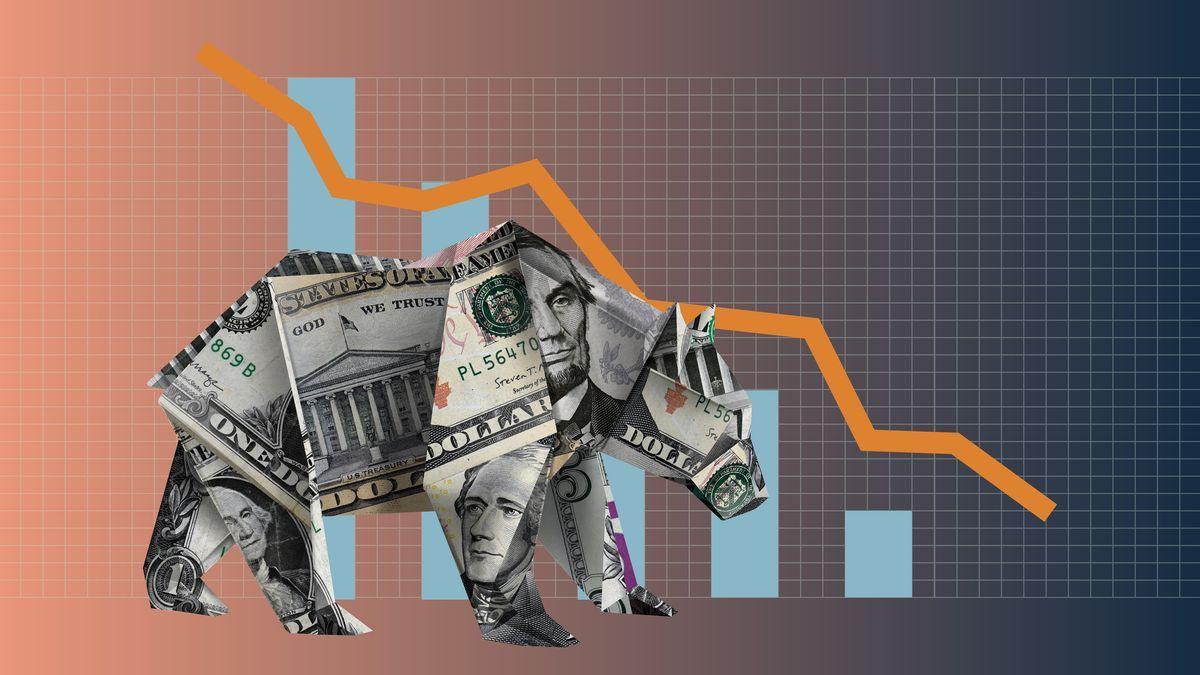
IMF Report Warns AI Market Correction Could Spark Global Financial Crisis With $1.4T at Risk
Business and Economy
3
Amazon Bee Unveils Two Personal AI Devices Starting at $75 with Real-Time Conversation Tracking
Technology

Recent Highlights
Today's Top Stories










Don’t drown in AI news. We cut through the noise - filtering, ranking and summarizing the most important AI news, breakthroughs and research daily. Follow topics that matter to you and stay ahead.


