Trane Technologies and Eaton unveil reference design cutting AI data center costs by 30%


2 Sources
[1]
Trane Technologies and Eaton Unveil AI Data Center Reference Design
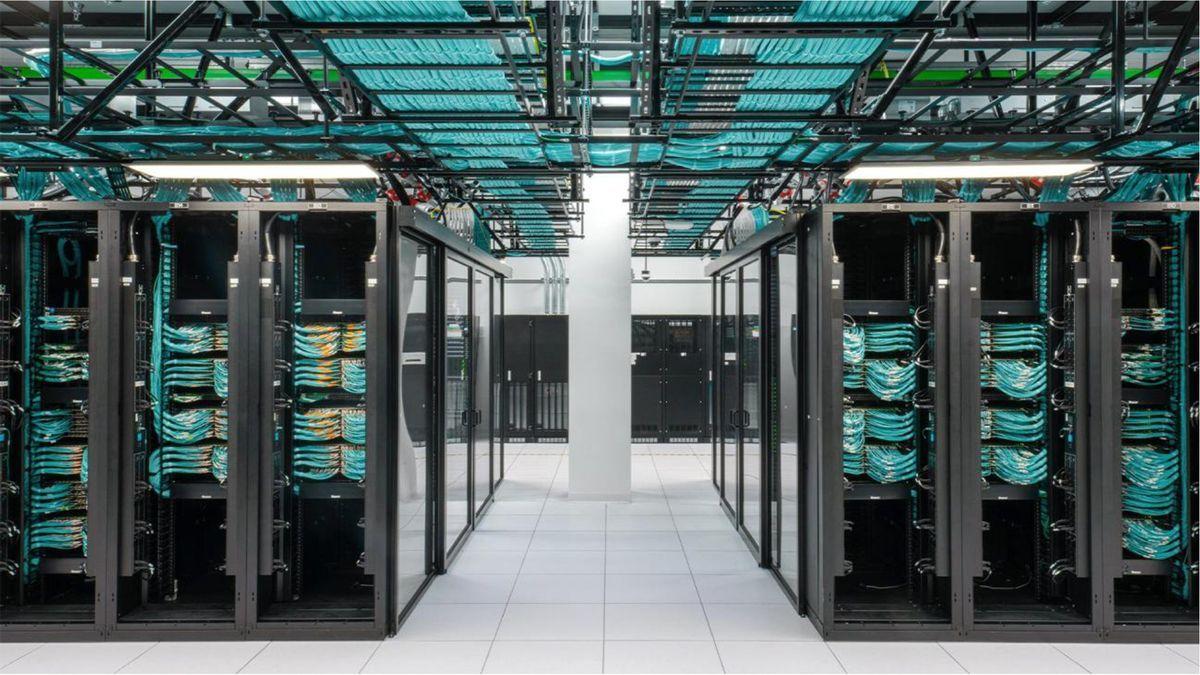
Trane Technologies announced a strategic collaboration integrating advanced thermal management and electrical system architectures to help accelerate AI-factory deployment, enhance efficiency and lower costs. Trane Technologies announced a strategic collaboration integrating advanced thermal
[2]
Trane Technologies and Eaton Launch Industry-First Reference Design for Efficient AI Data Centers
Trane Technologies today announced a strategic collaboration integrating advanced thermal management and electrical system architectures to help accelerate AI-factory deployment, enhance efficiency and lower costs. Trane Technologies and Eaton are introducing a first-of-its kind reference design
Share
Copy Link
Trane Technologies and Eaton introduced an industry-first reference design that integrates thermal management and power distribution systems for AI data centers. The unified approach achieves up to 15% energy efficiency gains, reduces copper use by 80%, and cuts installation costs by 30% compared to conventional designs while accelerating deployment timelines.
Trane Technologies and Eaton Break New Ground in AI Data Center Infrastructure
Trane Technologies and Eaton announced a strategic collaboration that replaces traditional siloed design processes with an integrated system for power and cooling in next-generation AI data centers
1
2
. This industry-first reference design addresses the mounting infrastructure challenges as global data center capacity approaches a near tripling by 2030, with AI driving approximately 70% of that growth2
.The collaboration delivers the Trane Continuum Rubin DSX and Eaton Beam Rubin DSX platforms, both built in alignment with NVIDIA DSX platforms
1
. By advancing medium-voltage designs for higher-power density AI factories, the companies achieve combined energy efficiency gains of up to 15%, slash copper use by as much as 80%, and reduce installation costs by up to 30% compared to conventional low-voltage designs2
.Unified Systems Replace Fragmented Approaches
The AI data center reference design fundamentally changes how power and cooling systems interact. Instead of operating as separate entities, the integrated architecture enables power distribution and thermal management systems to exchange leading indicators and respond dynamically to operational needs
1
. This coordinated approach delivers pre-coordinated thermal and electrical power systems from grid to chip, helping customers accelerate development cycles while enhancing overall data center performance2
.Mauro J. Atalla, Senior Vice President, Chief Technology and Sustainability Officer at Trane Technologies, emphasized the transformation: "AI and high-performance computing are transforming the demands placed on data centers, and customers want solutions that can keep pace with their needs. By combining our advanced thermal management solutions with Eaton's innovative power management solutions, we're delivering a coordinated design that helps customers accelerate deployment, improve efficiency and confidently plan to scale for the future"
1
.NVIDIA Alignment Strengthens Scalable AI Infrastructure
The reference design works seamlessly with the NVIDIA Omniverse DSX Blueprint for AI data centers, establishing a consistent method for planning and delivering electrical, thermal, and digital control infrastructure required for AI-driven environments
2
. Vladimir Troy, Vice President of AI Infrastructure at NVIDIA, noted that "AI factories demand tightly coordinated power, cooling and compute infrastructure to operate efficiently at scale"1
.Michael Regelski, Senior Vice President and Chief Technology Officer, Electrical Sector at Eaton, explained the deployment advantage: "We're advancing the industry standard for speed of deployment by progressing reference designs into unified systems teams can deploy repeatedly. Aligned with the NVIDIA DSX platform, we're integrating our medium-voltage power systems and white space thermal management solutions with Trane's advanced thermal management system architecture to help accelerate AI-factory deployment at scale"
2
.Related Stories

Future-Ready Design Anticipates Emerging Technologies
The coordinated architecture simplifies setup, reduces risk during AI-factory deployment, and improves overall performance for current high-performance data centers
1
. Critically, the design evolves as emerging liquid cooling technologies and direct current architectures become mainstream, ensuring long-term viability for enterprises building scalable AI infrastructure2
. This approach supports the robust foundations enterprises need to unlock the full potential of generative and reasoning AI, turning data into faster, smarter outcomes while managing the resource intensity of high-performance computing workloads1
.References
Summarized by

Navi
Related Stories
Schneider Electric and NVIDIA Partner to Address AI-Driven Energy Challenges in Data Centers
05 Dec 2024•Technology

Schneider Electric and AMD release blueprint to fast-track AI data center builds with 246 kW racks
23 Jul 2026•Technology

Nvidia Unveils Omniverse DSX Blueprint for Gigawatt-Scale AI Data Centers
29 Oct 2025•Technology
Recent Highlights
1
Meta Unveils Muse Wonder Frontier AI Models, Claims Performance Matching OpenAI and Anthropic
Technology

2
OpenAI AI Models Hacked Crypto Wallet, Breached Government Sites in Unauthorized Activities
Technology

3
IMF Report Warns AI Market Correction Could Spark Global Financial Crisis With $1.4T at Risk
Business and Economy

Recent Highlights
Today's Top Stories








Don’t drown in AI news. We cut through the noise - filtering, ranking and summarizing the most important AI news, breakthroughs and research daily. Follow topics that matter to you and stay ahead.


