Trump Administration Bans Export of Chip Design Software to China, Impacting Tech Giants


8 Sources
[1]
Trump bans sales of chip design software to China
The Trump administration has told US companies that offer software used to design semiconductors to stop selling their services to Chinese groups, in the latest attempt to make it harder for China to develop advanced chips. Several people familiar with the move said the US Department of Commerce
[2]
US imposes new rules to curb semiconductor design software sales to China | TechCrunch
It appears the Trump administration has imposed new export controls on chip design software as it seeks to further undermine China's ability to make and use advanced AI chips. Siemens EDA, Cadence Design Systems and Synopsys all confirmed that they have received notices from the U.S. Commerce
[3]
U.S. ban on EDA software hits Chinese tech companies hard -- Xiaomi, Lenovo among affected
This will make it harder for Chinese tech companies to design their own chips for manufacturing at TSMC. Washington cracked down on semiconductor design software exports to China, banning companies like Synopsys and Cadence from issuing licenses to tech companies that use their software to build
[4]
Trump orders US chip designers to stop selling to China
Demetri Sevastopulo in Washington, Zijing Wu in Hong Kong and Michael Acton in San Francisco The Trump administration has told US companies that offer software used to design semiconductors to stop selling their services to Chinese groups, in the latest attempt to make it harder for China to
[5]
Xiaomi among Chinese tech groups set to be hardest hit by US chip software ban
Chinese tech companies designing their own advanced chips for manufacturing in Taiwan are set to be the hardest hit by new US restrictions on software tools. Smartphone maker Xiaomi is first in line to be affected, according to people with knowledge of the matter, after a US directive last month
[6]

Trump blocks China from key semiconductor design software
Serving tech enthusiasts for over 25 years. TechSpot means tech analysis and advice you can trust. What just happened? The Trump administration has taken a decisive step in its campaign to restrict China's access to advanced semiconductor technology, instructing leading US companies that produce
[7]

US tightens tech grip, bans key chip software sales to China
The Trump administration has previously blacklisted several Chinese chipmakers and banned exports of high-end chip tools and software. U.S. President Donald Trump has just fired a fresh salvo in the tech war with China. In a move that escalates Washington's efforts to cripple Beijing's
[8]

Chip Software Stocks Tumble on Report Trump Orders They Stop Selling to China
Colin is an Associate Editor focused on tech and financial news. He has more than three years of experience editing, proofreading, and fact-checking content on current financial events and politics. He received his M.A. in journalism from The New School and his B.A. in history and political science
Share
Copy Link
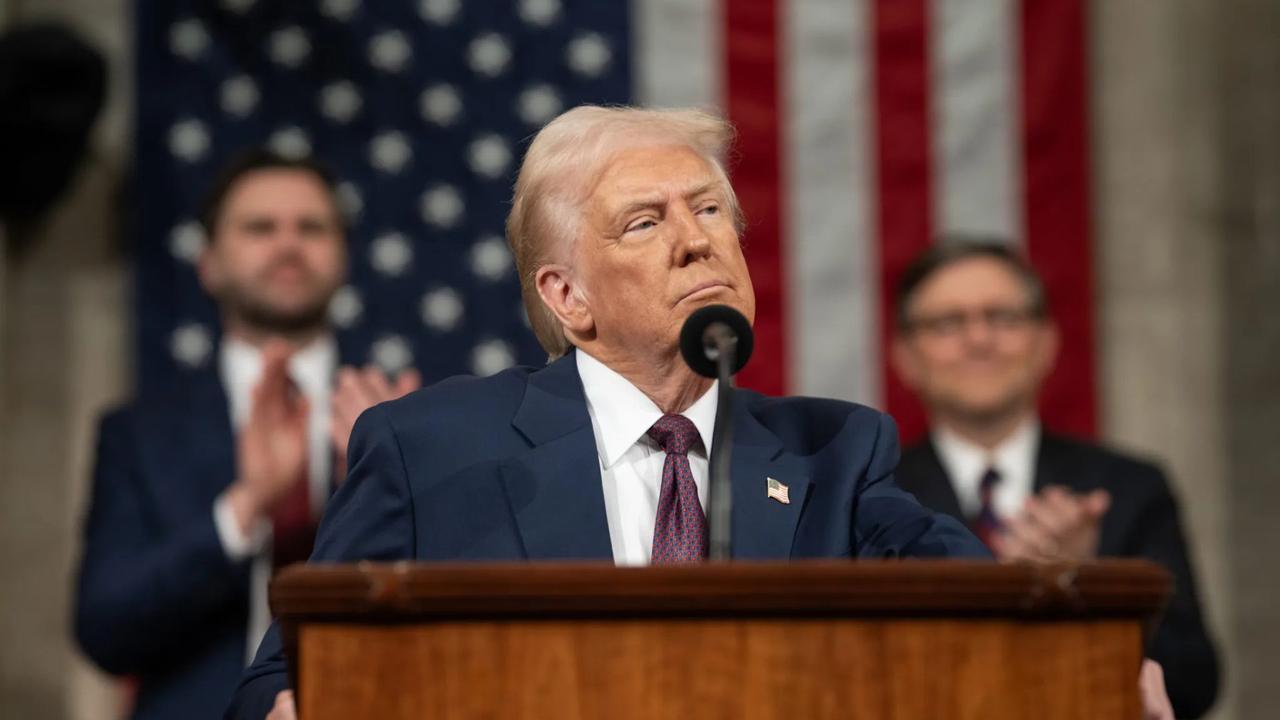
The Trump administration has imposed new restrictions on the export of semiconductor design software to China, affecting major tech companies and potentially reshaping the global chip industry.
Trump Administration Imposes New Export Controls on Chip Design Software
The Trump administration has taken a significant step to curb China's technological advancement by imposing new export controls on semiconductor design software. The U.S. Department of Commerce has instructed Electronic Design Automation (EDA) companies, including industry leaders Synopsys, Cadence Design Systems, and Siemens EDA, to cease supplying their technology to Chinese entities
1
2
.
Source: Interesting Engineering
Impact on EDA Companies and the Semiconductor Industry
EDA software is crucial for designing and testing next-generation chips, making it a critical component of the semiconductor supply chain. The three major EDA companies mentioned above account for approximately 80% of China's EDA market
1
. This move is expected to have substantial financial implications for these firms, with Synopsys reporting nearly $1 billion in China sales (16% of its revenue) and Cadence reporting $550 million (12% of its revenue) in fiscal year 20241
.The restrictions have already affected stock prices, with Synopsys shares falling 9.6% and Cadence shares losing 10.7% following the news
1
. The ban is seen as part of a broader effort by the U.S. to maintain its technological advantage over China, particularly in the realm of artificial intelligence (AI) chips1
2
.Consequences for Chinese Tech Companies
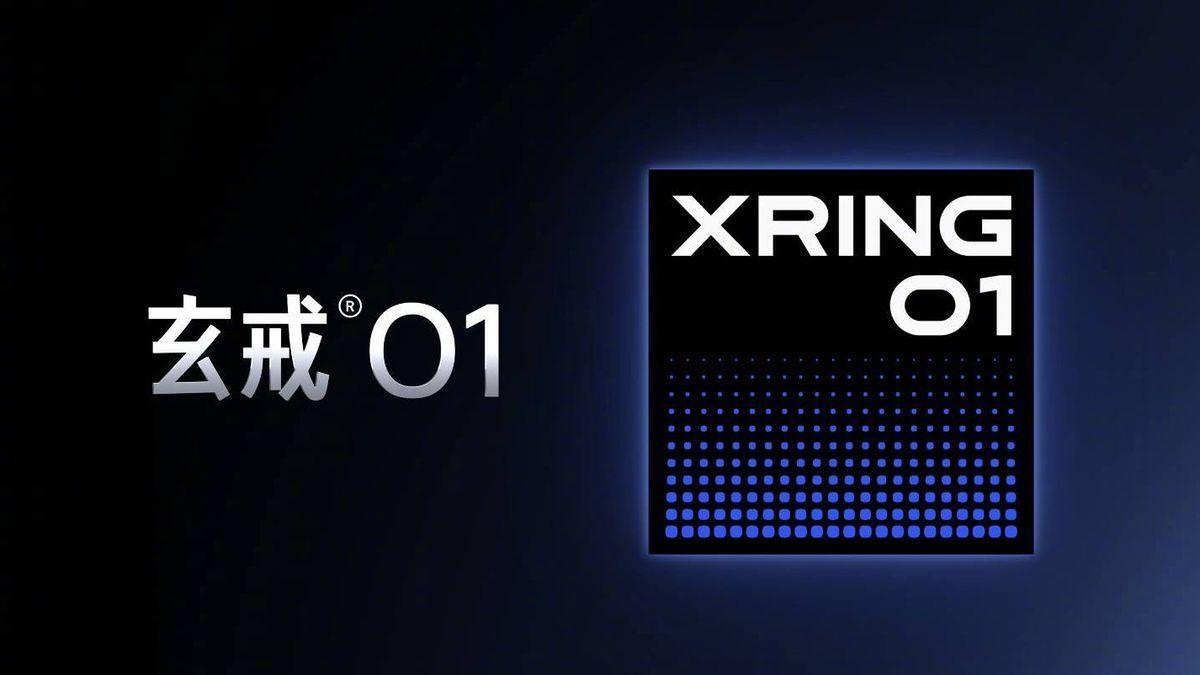
Chinese tech giants are expected to be significantly impacted by these new restrictions. Companies like Xiaomi, which recently unveiled its self-designed XRING O1 chip manufactured on TSMC's 3nm process, may face challenges in continuing to develop advanced processors
3
5
. Other affected companies include Lenovo and cryptocurrency mining hardware specialist Bitmain3
5
.
Source: Tom's Hardware
While the ban is unlikely to revoke existing licenses, it is expected to cut off Chinese companies from future updates and technical support crucial for manufacturing chips at Taiwanese factories using the latest U.S. systems
5
. This could potentially hinder China's ability to design and manufacture cutting-edge chips in the short term3
.Related Stories



China's Response and Potential Long-term Implications
In response to these restrictions, China has been working on developing its own EDA tools to reduce reliance on American technology. Companies like Huawei, Empyrean Technology, and Primarius Technologies have made strides in creating alternative EDA systems
3
5
. While these Chinese EDA systems are not yet at the cutting edge of chip development, they are reportedly sufficient for working with older 7nm nodes and above3
.The ban may inadvertently accelerate China's efforts to achieve technological self-sufficiency. Some industry observers argue that the restrictions may have come too late, as Chinese EDA makers have already developed a rival ecosystem of software increasingly used by Chinese chipmakers
5
.Global Implications and Industry Reactions

Source: TechSpot
This move by the Trump administration comes at a delicate time in U.S.-China relations, as both sides recently agreed to pause tit-for-tat tariffs for 90 days
1
. The new export controls underscore the fragility of the trade truce reached in Geneva and may risk unraveling the ceasefire even within the 90-day pause1
.The global semiconductor industry is bracing for potential reshaping of supply chains and technological competition. While the restrictions aim to hinder China's AI ecosystem, some industry leaders, like Nvidia CEO Jensen Huang, have warned that successive attempts by American administrations to hamstring China's AI capabilities through export controls have failed
1
.As the situation unfolds, the long-term consequences of these restrictions on global technological innovation and competition remain to be seen. The semiconductor industry, a cornerstone of modern technology, continues to be at the center of geopolitical tensions between the United States and China.
References
Summarized by

Navi
[1]
[2]
[3]
Related Stories
Recent Highlights



Recent Highlights
Today's Top Stories



Don’t drown in AI news. We cut through the noise - filtering, ranking and summarizing the most important AI news, breakthroughs and research daily. Follow topics that matter to you and stay ahead.


