Trump Administration Launches AI-Powered Crackdown on $75B Tariff Evasion Scheme Across 40+ Countries


2 Sources
[1]
Trump trade enforcers deploy AI in tariff evasion crackdown | Fortune
The Trump administration is developing an AI-powered "detective border" to crack down on trading partners suspected of enabling China to skirt tariffs on US imports. In a report released Thursday, the White House Office of Trade and Manufacturing Policy accused dozens of countries of being part of
[2]
US flags dozens of trade partners as risks for aiding tariff evasion
The Trump administration flagged dozens of US trading partners Thursday as potential risks in aiding Chinese tariff evasion, vowing to tap artificial intelligence to help detect illegal practices in the future. Since returning to the White House last year, Trump has imposed sweeping tariffs on US
Share
Copy Link
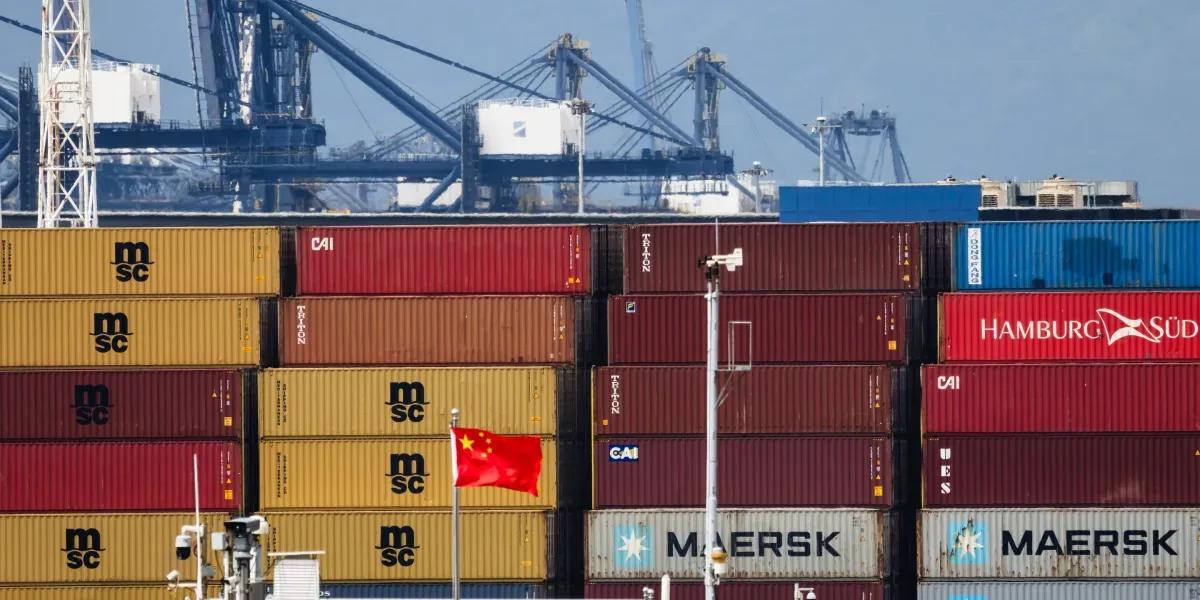
The Trump administration unveiled an AI-powered "detective border" system to combat illegal transshipment, targeting over 40 countries suspected of helping China evade US tariffs. The White House estimates $75 billion in goods were illegally rerouted through third countries, resulting in $19-34 billion in lost tariff revenue between February 2025 and February 2026.
Trump Administration Targets China's Shadow Transshipment Network
The Trump administration released a comprehensive report Thursday identifying more than 40 countries as potential enablers in China's shadow transshipment network, accusing them of facilitating tariff evasion on a massive scale
1
. White House trade adviser Peter Navarro characterized the findings bluntly: "This is basically a warning to the world -- don't try to cheat America"1
. The report from the White House Office of Trade and Manufacturing Policy sorted countries according to the scale of China-linked trade, their economic integration with China, and weak-link advantages that make them susceptible to rerouting activity1
.AI-Powered Detective Border System Enters the Fight
To combat illegal transshipment, the Trump administration is deploying an AI-powered "detective border" system developed in collaboration with US Customs and Border Protection
2
. This advanced system will scan shipment data against routing histories, confirm production capacity and ownership relationships, and analyze packaging patterns and X-ray imaging at ports to detect mismatches between declared contents and actual cargo1
. The technology aims to address a long-standing challenge in trade enforcement, where limited resources have traditionally focused only on cases with the biggest payout potential, allowing illicit goods to continue flowing into US markets1
.$75 Billion in Illegally Transshipped Goods Identified
AI supply chain firm Exiger provided a mid-range estimate of $75 billion in illegally transshipped goods flowing through third countries between February 2025 and February 2026, corresponding to lost tariff revenue between $19 billion and $34 billion
1
. The values were based on analysis from two government and three private-sector sources1
. According to the report, these goods are being rerouted through third countries to avoid US import tariffs and other trade remedies, with both China and transshipping countries benefiting financially from the scheme1
.Major Trading Partners Named in Crackdown on Tariff Evasion
China's biggest enablers range from Mexico and Canada on US land borders to the European Union, India, Japan, and South Korea
1
. Other named countries include Indonesia, Thailand, Brazil, Malaysia, Taiwan, and Vietnam1
2
. The report noted these countries for comparative advantages that can be exploited, including cost of labor, strategic port access, lax customs enforcement, free trade zones, and preferential US trade access1
2
.Supply Chain Diversification Creates New Challenges
The trend of illegal transshipment isn't new. When President Donald Trump imposed high tariffs on exports from China in his first term, many businesses responded through supply chain diversification, moving manufacturing outside of China when possible
1
. This China +1 strategy spurred significant investments in Vietnam, Cambodia and other countries, often by Chinese-owned factories1
. Experts have long noted these supply chain diversions from China since Trump's first presidency, when Washington and Beijing engaged in trade tensions around 20182
.Related Stories
Financial Incentives Drive Communist China Laundering Its Exports
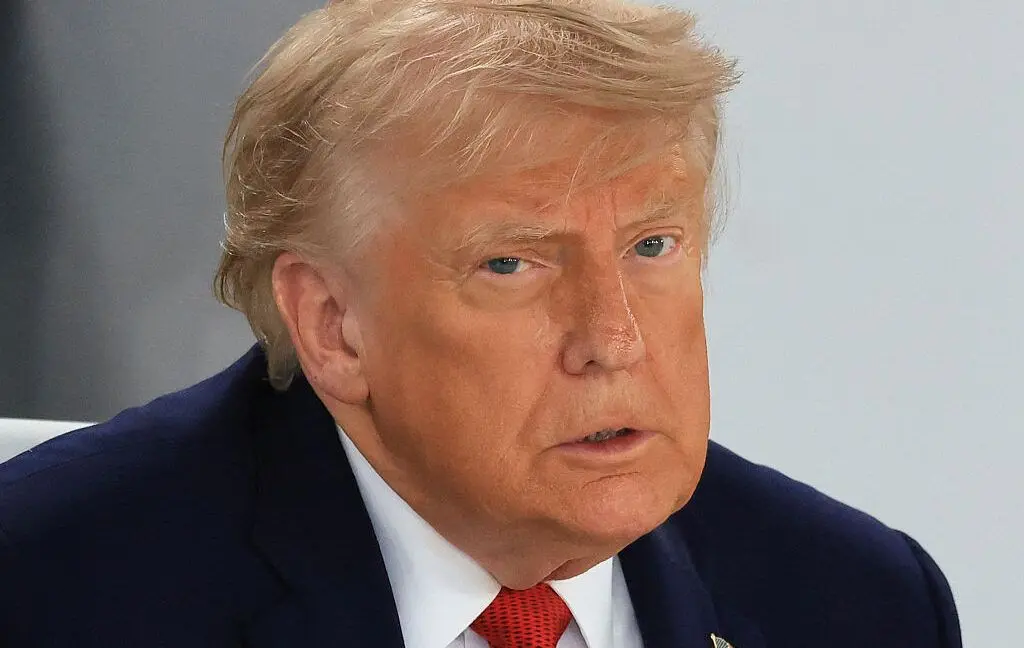
According to Navarro, "For years, the great transshipment scam has let Communist China launder its exports through more than 40 countries"
2
. Beyond China preserving market access counter to US trade policy, the spoils of illegal transshipment also enrich the transshipping countries themselves1
. Local firms capture assembly fees, warehousing revenue, logistics margins, port charges, customs brokerage income, land rents, and export-processing-zone investment, while governments benefit from jobs, tax receipts, foreign investment, and trade growth1
.Detection Complexity and Future Enforcement
The White House report acknowledged that tariff differentials created by Trump's sweeping duties on trading partners can increase incentives for illegal transshipment
1
. Illegal transshipment remains notoriously hard to detect, and determining country of origin is complex, especially when imports are made from components manufactured in multiple countries1
. It remains unclear how much of the supply chain shift outlined in the report reflects illicit activity rather than legitimate changes to global production and trade1
. The report emphasized that effective trade enforcement requires distinguishing legitimate manufacturing and substantial transformation from pass-through trade and origin shifting1
.References
Summarized by

Navi
Related Stories
US-China Trade War Threatens AI Development and Global Tech Supply Chains
16 Apr 2025•Business and Economy

China Deploys AI-Generated Videos to Mock US Tariffs and Manufacturing Revival Plans
05 Apr 2025•Technology
Trump's Tariffs Threaten U.S. AI Leadership and Innovation
30 Apr 2025•Policy and Regulation

Recent Highlights



Recent Highlights
Today's Top Stories





Don’t drown in AI news. We cut through the noise - filtering, ranking and summarizing the most important AI news, breakthroughs and research daily. Follow topics that matter to you and stay ahead.


