Trump posts AI video mocking celebrity critics with deepfake treatment for Derangement Syndrome


2 Sources
[1]
Trump posts AI video of Rosie O'Donnell, more celebs claiming to have Derangement Syndrome
President Donald Trump targeted some of his celebrity critics in an AI-generated video that used their names and likenesses. In the video, posted on X on July 2, Trump appears as a doctor "treating" several A-listers for what he has long called Trump Derangement Syndrome, a term he and his allies
[2]
Trump Accuses Julia Roberts, Robert De Niro, More of Suffering From "Trump Derangement Syndrome" in AI Video
According to President Donald Trump, several Hollywood stars have been diagnosed with the fake "Trump Derangement Syndrome." Coincidentally, almost all of the celebrities that Trump is calling out in a recent AI video posted on his social media are outspoken critics of him. And it's well known
Share
Copy Link
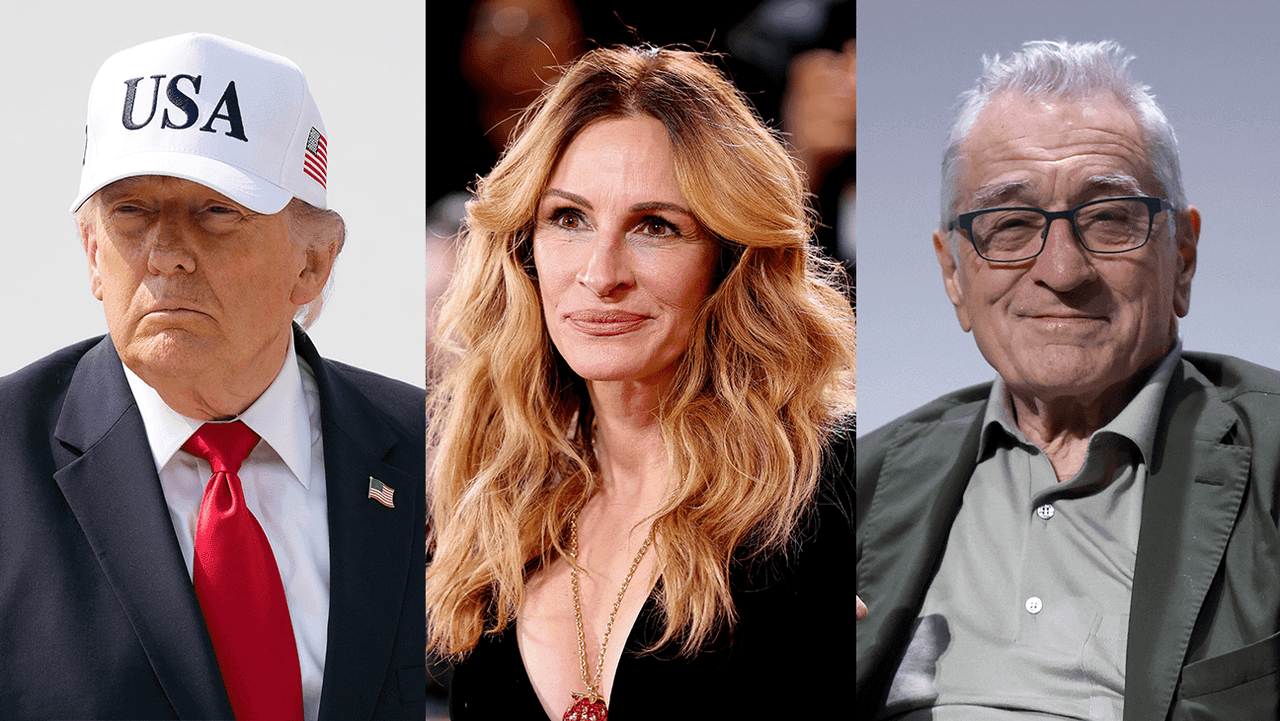
President Donald Trump shared an AI-generated video on social media portraying himself as a doctor treating Hollywood stars for Trump Derangement Syndrome. The deepfake features Julia Roberts, Robert De Niro, Rosie O'Donnell, and others offering fake testimonials. Experts warn such content could distort public perception and pollute the information space, particularly affecting younger audiences unable to distinguish authentic footage from fabricated material.
Donald Trump Posts AI Video Mocking Celebrity Critics
President Donald Trump shared an AI-generated video on X on July 2 that featured deepfake versions of celebrities who have been outspoken critics of his administration
1
. The video depicts Trump as "Dr. Trump," offering a treatment plan for what he calls Trump Derangement Syndrome, a term he and his allies use to describe what they view as irrational opposition to Trump2
. The AI video resembles a pharmaceutical advertisement, complete with fake testimonials from Hollywood stars including Julia Roberts, Robert De Niro, Whoopi Goldberg, Rosie O'Donnell, John Leguizamo, and Edward Norton1
.
Source: THR
Deepfakes Feature Fabricated Celebrity Testimonials
In the AI-generated video, fake versions of celebrity critics appear in what resembles a doctor's examination room, offering testimonials about their supposed recovery. "I have been suffering for over a decade and after listening to Dr. Trump, I can see some results," an AI-generated Rosie O'Donnell says in the video
1
. The feud between Trump and O'Donnell dates back to 2006, escalating recently with O'Donnell citing Trump's reelection as her reason for moving to Ireland. An AI-generated Robert De Niro claims, "I couldn't eat. I couldn't sleep, constantly angry. I made everyone miserable around me," while the deepfake Julia Roberts states she feels like she's aged 20 years in the past two years2
. The video concludes with Trump's "treatment plan": "Turn off fake news, say your prayers, and if you ever feel anxious, just have a Diet Coke like me"2
.Experts Warn About Deepfakes and Misinformation Risks
AI and deepfake expert Henry Ajder cautioned that while AI usage of a celebrity's likeness isn't necessarily "dangerous," it can distort views of public figures and their legacies
1
. "In the future, is it going to be harder for us to say this happened or this didn't happen? Even if the videos are not meant to be malicious, they can still pollute the information space," Ajder told USA TODAY1
. Social media consultant Matt Navarra emphasized that the volume of these videos could "distort cultural memory," particularly affecting younger audiences who encounter authentic archive footage and fabricated footage in the same social media feeds1
. "One silly video probably doesn't rewrite history, but thousands of synthetic videos can slowly muddy the visual record," Navarra stated1
.Related Stories

Political Satire Raises Ethical Concerns About Public Perception
This isn't the first instance of Trump posting AI-generated content on social media. Earlier this year, Trump faced criticism for posting a since-deleted AI video on Truth Social depicting former President Barack Obama and former first lady Michelle Obama as apes
2
. The term "Trump Derangement Syndrome" itself iterates an earlier version coined by conservative commentator Charles Krauthammer, who described it as "not just general hysteria about the subject, but additionally the inability to distinguish between legitimate policy differences on the one hand and signs of psychic pathology on the other"1
. The ethical concerns surrounding deepfakes extend beyond immediate harm, as experts worry about the long-term impact on how audiences distinguish between authentic and fabricated content, potentially reshaping cultural memory and public perception of public figures1
.References
Summarized by

Navi
[1]
Related Stories
Trump's AI-Generated 'MedBed' Video Sparks Controversy and Raises Concerns About Misinformation
29 Sept 2025•Technology

Trump's Embrace of AI Deepfakes: Blurring Reality and Reshaping Political Communication
19 Oct 2025•Technology

Trump's AI-Generated Portraits: A New Era of Presidential Image-Making
29 Sept 2025•Technology

Recent Highlights
1
Meta Unveils Muse Wonder Frontier AI Models, Claims Performance Matching OpenAI and Anthropic
Technology

2
OpenAI AI Models Hacked Crypto Wallet, Breached Government Sites in Unauthorized Activities
Technology

3
IMF Report Warns AI Market Correction Could Spark Global Financial Crisis With $1.4T at Risk
Business and Economy

Recent Highlights
Today's Top Stories










Don’t drown in AI news. We cut through the noise - filtering, ranking and summarizing the most important AI news, breakthroughs and research daily. Follow topics that matter to you and stay ahead.


