TSMC in Talks for Texas Expansion as AI Chip Demand Outpaces Supply by Wide Margin


2 Sources
[1]
Giant Taiwanese chipmaker TSMC confirms it's in talks with Elon Musk to join 'Terafab' complex in Texas: 'The AI market continues to be very strong' | Fortune
TSMC said during an earnings conference Thursday that it is open to collaborating with Elon Musk's planned "Terafab" chip manufacturing complex in Texas. TSMC, which produces over 90% of the world's most cutting-edge chips, supplies to U.S. technology giants include Nvidia and Apple and has
[2]
TSMC Weighs Texas Expansion, Holds Talks on Musk's Terafab as AI Demand Outpaces Supply -- Update
Taiwan Semiconductor Manufacturing Co. raised the prospect of additional U.S. manufacturing capacity beyond Arizona, including in Texas, as demand for artificial-intelligence chips continued to outpace supply despite a wave of capacity additions across the industry. The world's largest contract
Share
Copy Link
Taiwan Semiconductor Manufacturing Co. confirmed it's evaluating a Texas expansion and discussing participation in Elon Musk's proposed Terafab chip manufacturing complex. The world's largest chipmaker reported record $24 billion quarterly profits as AI market demand continues to far exceed its current production capacity.
TSMC Confirms Texas Expansion Talks Amid Record AI Chip Demand
Taiwan Semiconductor Manufacturing Co. has confirmed active discussions about expanding operations to Texas and participating in Elon Musk Terafab project, signaling a major shift in the company's U.S. manufacturing strategy
1
. Chairman and CEO C.C. Wei disclosed during Thursday's earnings conference that TSMC has dispatched evaluation teams to Texas to assess potential expansion opportunities beyond its existing Arizona operations2
. The chipmaker, which produces over 90% of the world's most cutting-edge chips, is responding to relentless pressure from major U.S. customers demanding increased capacity to support AI infrastructure projects1
.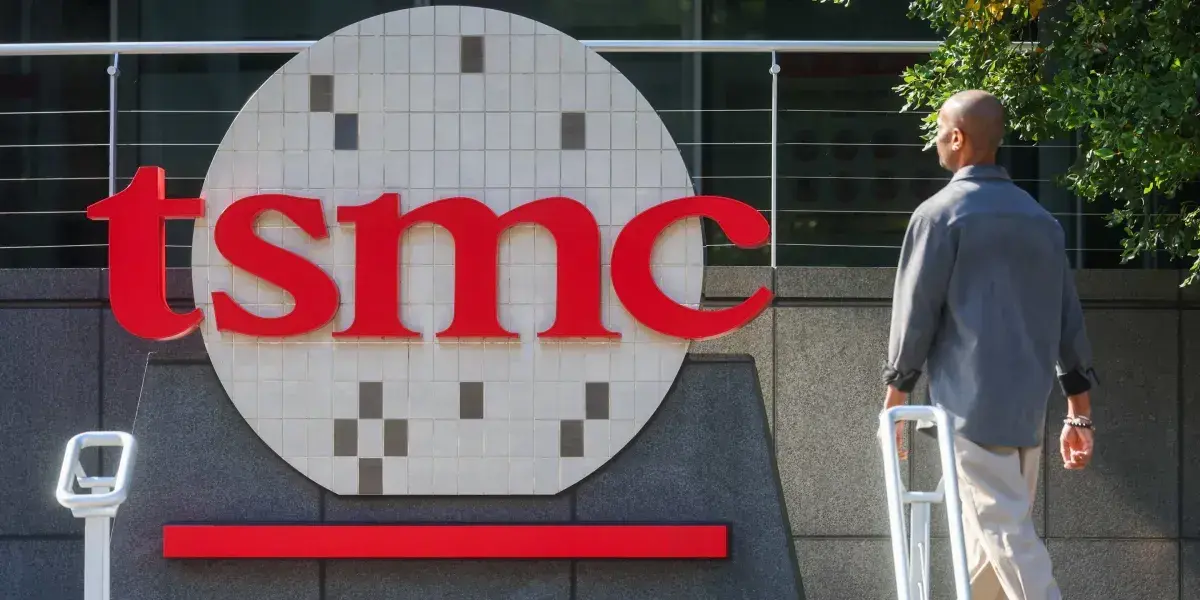
Source: Fortune
AI Market Demand Drives Unprecedented Growth
TSMC reported record-breaking financial results for the July-September quarter, with net profit reaching 763.1 billion new Taiwan dollars, nearly $24 billion, representing a 69% year-over-year surge
1
. Revenue climbed to 1.49 trillion new Taiwan dollars ($46 billion), up 51% from the previous year1
. Wei emphasized that AI market demand remains extraordinarily strong, stating "The demand, actually, is still far above our capability today to supply, and we're working very hard to narrow the gap"1
. The company projected fourth-quarter revenue between $52.3 billion and $54.3 billion, citing continued AI processor demand and high-performance computing applications2
. TSMC raised its annual revenue growth guidance to around 44% from "slightly over 40%" in July, marking the third forecast upgrade this year2
.Navigating the Elon Musk Terafab Partnership
The discussions around the Terafab chip manufacturing complex reveal complex negotiations between TSMC and Musk's ventures. Wei confirmed TSMC is in discussions to participate in the AI infrastructure project but stressed that any plant producing TSMC chips must be operated by TSMC
1
. This position contrasts with Musk's earlier statement on X that "we will build and run the fab," suggesting TSMC would at most sublease part of the Terafab facility1
. Wei clarified that TSMC remains open to either partnership arrangements or owning facilities outright, but operational control appears non-negotiable2
. The talks underscore how major technology companies are exploring innovative approaches to secure semiconductor capacity needed for the next phase of AI deployment, particularly as AI chip shortages continue constraining industry growth.Related Stories

Massive Capital Expenditure Plans Signal Long-Term Commitment
TSMC has maintained its capital expenditure budget of $60 billion to $64 billion for this year, up from its previous estimate of $52 billion to $56 billion
1
. Chief Financial Officer Wendell Huang indicated that spending between 2026 and 2028 will be significantly higher than the past three years1
. Some analysts project TSMC's capital expenditure could exceed $80 billion in 2027 to meet soaring AI infrastructure demand2
. The company has already pledged $265 billion in Arizona investments, including an additional $100 billion commitment announced in July1
. Wei addressed concerns about potential AI bubble risks, stating TSMC maintains a disciplined internal capacity-assessment system and has "a very good idea of our customers' multiyear product roadmap"2
.Competitive Pressures and Future Outlook
TSMC faces mounting pressure to defend its market position against rivals Samsung and Intel while navigating the shift toward custom, in-house silicon by tech leaders like Musk
2
. The advanced chip manufacturer supplies critical components to U.S. technology giants including Nvidia and Apple, making its supply chain decisions consequential for the entire AI ecosystem1
. Wei declared the company plans to pursue every available growth opportunity, stating "We have no intention to leave food on the table for others"2
. However, Wei also cautioned about macroeconomic challenges ahead, noting that consumer and price-sensitive market segments face pressure from rising component prices and economic uncertainties, prompting prudent business planning for 20271
. Watch for TSMC's final decision on Texas expansion and the resolution of operational control questions with Musk's Terafab initiative, as these moves will shape the competitive landscape for AI chips and determine whether supply can finally catch up with explosive AI processor demand.References
Summarized by

Navi
Related Stories
TSMC adds $100 billion to Arizona investment as AI chip demand drives record $22 billion profit
13 Jul 2026•Business and Economy
TSMC Raises Revenue Forecast Amid Surging AI Chip Demand
18 Jul 2024

TSMC warns chip supply won't meet AI-fueled demand for years despite massive expansion
04 Jun 2026•Business and Economy

Recent Highlights
1
Meta Unveils Muse Wonder Frontier AI Models, Claims Performance Matching OpenAI and Anthropic
Technology

2
IMF Report Warns AI Market Correction Could Spark Global Financial Crisis With $1.4T at Risk
Business and Economy

3
OpenAI Releases 722 AI-Generated Math Solutions, Triggering Existential Crisis in Mathematics
Technology

Recent Highlights
Today's Top Stories










Don’t drown in AI news. We cut through the noise - filtering, ranking and summarizing the most important AI news, breakthroughs and research daily. Follow topics that matter to you and stay ahead.


