U.S. Secretly Embeds Trackers in AI Chip Shipments to Enforce Export Controls


12 Sources
[1]
Exclusive: US embeds trackers in AI chip shipments to catch diversions to China, sources say
SINGAPORE/NEW YORK, Aug 13 (Reuters) - U.S. authorities have secretly placed location tracking devices in targeted shipments of advanced chips they see as being at high risk of illegal diversion to China, according to two people with direct knowledge of the previously unreported law enforcement
[2]
U.S. Allegedly Super-Charged Its Efforts to Prevent China From Getting American Chips
The AI chip arms race reportedly involves spooky surveillance tactics. The Trump administration has made curbing China's access to high-powered AI chips a high priority. According to the government, China may use the chips to build up its arsenal of military technology, and it simply can't have
[3]
AI chip shipments from US had secret location trackers: Report
The US law enforcement agencies have previously tracked various types of shipments with the help of such location trackers. (Representational image) Some chip shipments delivered from the United States to other locations had tracking devices, according to a report. People familiar with the matter
[4]
Report: U.S. government placing trackers in AI server shipments to enforce chip export controls - SiliconANGLE
Report: U.S. government placing trackers in AI server shipments to enforce chip export controls The U.S. is reportedly trying to crack down on artificial intelligence chips being shipped to China by placing tracking devices inside the computer servers it believes are at high risk of being diverted
[5]

US authorities secretly place location tracking devices in targeted AI chip shipments to China
TL;DR: US authorities are covertly placing location trackers in shipments of advanced AI chips and servers to prevent illegal diversion to China, enforcing export restrictions amid ongoing investigations. This tactic targets high-risk shipments from manufacturers like Dell and Super Micro,
[6]

Exclusive-US Embeds Trackers in AI Chip Shipments to Catch Diversions to China, Sources Say
By Fanny Potkin, Karen Freifeld and Jun Yuan Yong SINGAPORE/NEW YORK (Reuters) -U.S. authorities have secretly placed location tracking devices in targeted shipments of advanced chips they see as being at high risk of illegal diversion to China, according to two people with direct knowledge of the
[7]

US embeds trackers in AI chip shipments to catch diversions to China, sources say
U.S. authorities are secretly embedding location tracking devices in shipments of advanced AI chips bound for China to combat illegal diversion, a tactic revealed by sources familiar with the operations. These measures, targeting specific shipments under investigation, aim to enforce export
[8]
US embeds trackers in AI chip shipments to catch diversions to China, sources say - The Economic Times
U.S. authorities are secretly embedding location tracking devices in shipments of advanced AI chips bound for China to combat illegal diversion, a tactic revealed by sources familiar with the operations. These measures, targeting specific shipments under investigation, aim to enforce export
[9]
Spy twist? US allegedly bugged AI chips of Nvidia and AMD bound for China with hidden trackers
US government AI chip tracking to China: The United States government is trying to stop advanced Artificial Intelligence chips from reaching China. Federal authorities are secretly placing trackers in shipments suspected of illegal diversion. These trackers are hidden in containers and server
[10]

Dell, Super Micro Shipments With Nvidia, AMD Chips Secretly Fitted With US Trackers To Detect Diversions To China: Report - Advanced Micro Devices (NASDAQ:AMD), Dell Technologies (NYSE:DELL)
U.S. authorities have reportedly placed location tracking devices in targeted shipments of advanced AI chips at high risk of illegal diversion to China. Federal Authorities Deploy Covert Tracking Technology The measures target AI chips being diverted to destinations under U.S. export restrictions
[11]

The U.S. Is Reportedly Adding Location Tracking Mechanisms to AI Server Shipments, Despite NVIDIA's Opposition, With Many Removed by Chip Resellers in China
Well, it seems that server manufacturers have started implementing 'backdoor measures' into AI server shipments, which China has caught, raising massive concerns for NVIDIA's future in the region. The uncertainty around NVIDIA and China is at its peak now, probably higher than when the export
[12]

Exclusive-US embeds trackers in AI chip shipments to catch diversions to China, sources say
SINGAPORE/NEW YORK (Reuters) -U.S. authorities have secretly placed location tracking devices in targeted shipments of advanced chips they see as being at high risk of illegal diversion to China, according to two people with direct knowledge of the previously unreported law enforcement tactic. The
Share
Copy Link
U.S. authorities are covertly placing location tracking devices in shipments of advanced AI chips and servers to detect illegal diversions to China, highlighting intensified efforts to enforce semiconductor export restrictions.
U.S. Covert Tracking of AI Chip Shipments
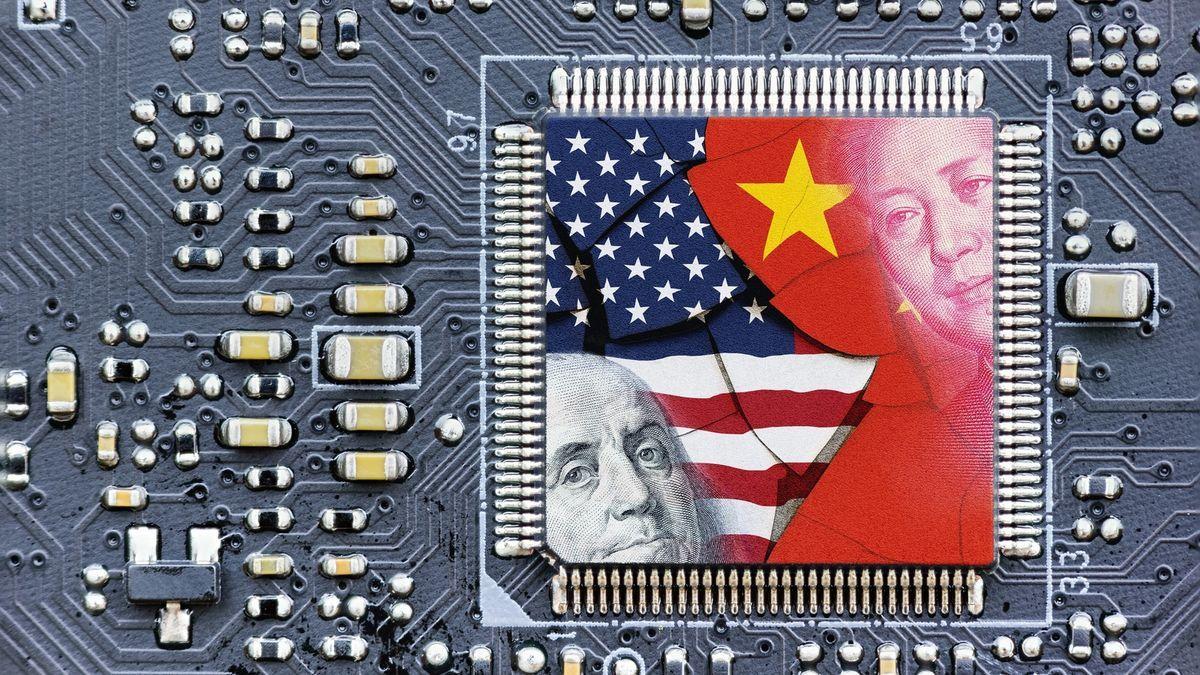
In a significant development in the ongoing "chip war" between the United States and China, U.S. authorities have reportedly been secretly embedding location tracking devices in shipments of advanced AI chips and servers. This covert operation aims to detect and prevent the illegal diversion of these critical technologies to China, which is subject to U.S. export restrictions
1
.
Source: SiliconANGLE
The Tracking Mechanism
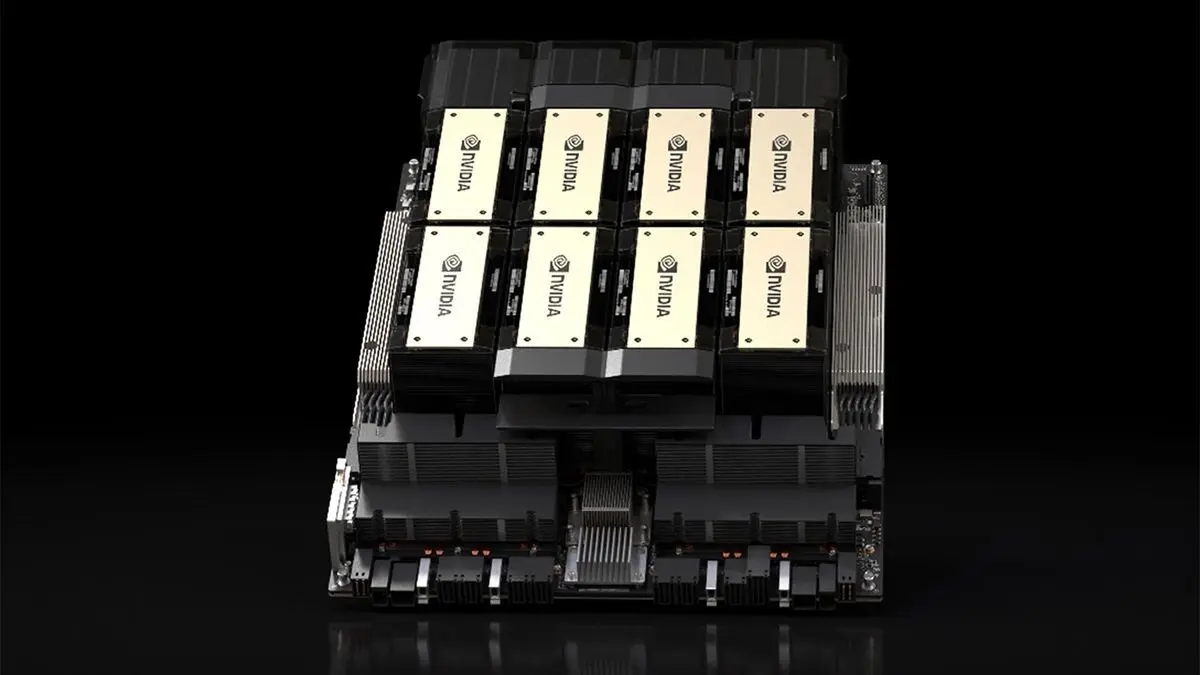
According to sources familiar with the matter, the trackers are typically hidden in the packaging of server shipments from major manufacturers such as Dell and Super Micro, which include chips from industry leaders Nvidia and AMD
1
. The devices range in size, with some reportedly as large as a smartphone, and in some cases, have even been found within the servers themselves4
.Government Agencies Involved
The operation involves multiple U.S. government agencies, including:
- The Department of Commerce's Bureau of Industry and Security
- Homeland Security Investigations
- The Federal Bureau of Investigation (FBI)
These agencies are working in concert to enforce export controls and build cases against individuals and companies profiting from violating U.S. export restrictions
1
4
.Historical Context and Precedent
The use of tracking devices in export control enforcement is not new. U.S. law enforcement agencies have employed this tactic for decades to monitor shipments of various restricted items, including airplane parts
1
. The practice gained public attention in 2014 when Edward Snowden's revelations exposed the NSA's use of "backdoor surveillance tools" in routers and other computer hardware destined for foreign countries2
.Impact on Manufacturers and Chip Companies

Source: Benzinga
Major tech companies have responded differently to the reports:
- Dell stated it was "not aware of a U.S. Government initiative to place trackers in its product shipments"
1
. - Super Micro declined to comment on specific tracking actions
1
. - Nvidia emphatically denied installing secret tracking devices in its products
2
. - AMD did not respond to requests for comment
1
.
Related Stories

Broader Implications for U.S.-China Relations
This revelation comes at a time of heightened tensions in U.S.-China relations, particularly in the technology sector. The U.S. has been tightening export controls on advanced semiconductors to China since 2022, citing national security concerns and the need to curb Chinese military technological development
4
.
Source: ET
Challenges and Countermeasures
Despite these efforts, chip smugglers have become aware of the tracking devices and have begun routinely inspecting and removing them from shipments
4
. This cat-and-mouse game underscores the challenges faced by U.S. authorities in enforcing export controls in an increasingly complex global supply chain.Policy Considerations
The use of trackers aligns with broader U.S. efforts to control the export of advanced technologies. Both houses of Congress have proposed requiring U.S. chip firms to include location verification technology in their products to prevent diversion to restricted countries
1
. However, this has drawn criticism from China, which views these measures as part of a campaign to suppress its technological rise1
.As the AI chip arms race intensifies, this covert tracking operation highlights the lengths to which the U.S. government is willing to go to maintain its technological edge and enforce its export policies. The situation remains fluid, with potential implications for international trade, technological development, and geopolitical relations in the years to come.
References
Summarized by

Navi
[1]
[3]
[4]
Related Stories
US Lawmakers Propose Tracking Technology for Nvidia AI Chips to Combat Smuggling to China
05 May 2025•Policy and Regulation
U.S. Government Prompts Nvidia to Investigate AI Chip Smuggling to China
20 Dec 2024•Policy and Regulation

$4.6 Billion in Export-Restricted Nvidia AI Chips Smuggled Into China Despite U.S. Controls
18 Sept 2026•Policy and Regulation
Recent Highlights



Recent Highlights
Today's Top Stories



Don’t drown in AI news. We cut through the noise - filtering, ranking and summarizing the most important AI news, breakthroughs and research daily. Follow topics that matter to you and stay ahead.


