U.S. Lawmakers Propose Geo-Tracking for AI Chips to Curb Unauthorized Access


17 Sources
[1]
U.S. inks bill to force geo-tracking tech for GPUs and servers -- high-end gaming GPUs also subject to tracking
Senator Tom Cotton's legislation seeks to "prevent advanced American chips from falling into the hands of adversaries like Communist China." Last week, a U.S. congressman announced a plan to introduce a bill that would mandate producers of high-performance AI processors to track them
[2]
How Do You Keep Advanced US GPUs Out of China? How About Location Tracking?
Republican Sen. Tom Cotton proposes a location verification system that could also detect if a GPU had been tampered with to thwart any 'chip security mechanisms.' To stop China from obtaining cutting-edge chips, a US senator is floating the idea of requiring a location-tracking system for Nvidia
[3]
Lawmaker wants to fight chip smuggling with tracking devices
Despite stiff export controls on the legitimate sale of AI accelerators to China, stemming the flow of gray market GPUs streaming into the Middle Kingdom remains a point of concern for American lawmakers. US Senator Tom Cotton (R-Ark) on Friday revealed his bright idea for stopping chip smugglers
[4]
GPU tracking bill gains bipartisan support in US House
Every shipment you make, every FLOP you generate, Uncle Sam will be watching you Proposed legislation gaining steam in Congress this week would require high-end GPUs and AI chips to include location-tracking safeguards to ensure US-designed components don't end up in nations against Uncle Sam's
[5]
US senator introduces bill calling for location-tracking on AI chips to limit China access
May 9 (Reuters) - A U.S. senator introduced a bill on Friday that would direct the Commerce Department to require location verification mechanisms for export-controlled AI chips, in an effort to curb China's access to advanced semiconductor technology. Called the "Chip Security Act," the bill
[6]
U.S. lawmakers introduce bill to address AI chip smuggling
SAN FRANCISCO, May 15 (Reuters) - A bipartisan group of eight U.S. lawmakers introduced a bill on Thursday that would require makers of artificial intelligence chips such as Nvidia to include technology to verify the location of their chips before exporting them. The Chip Security Act introduced
[7]

New US bill targets AI chip smuggling with built-in tracking systems
The United States has intensified its tech crackdown on China with a new legislative push that aims to tighten control over where advanced AI chips end up. On May 9, Senator Tom Cotton (R-Arkansas) introduced the Chip Security Act, a bill designed to prevent adversaries like China from accessing
[8]

US seeks to thwart smuggling of Nvidia GPUs with location tracking
A proposed US law would force location tracking on export-controlled chips, including Nvidia's high-end GPUs. The United States has reportedly been investigating reports that Nvidia GPUs have landed illegally in China to be used by Chinese LLMs like DeepSeek, and one US lawmaker will be
[9]

Congress wants geotracking tech in high-end GPUs to keep them out of China's clutches
The proposed legislation could enforce tracking within 6 months New proposed legislation in Congress could see the US integrate geotracking capabilities within high-end GPUs, marking the introduction of more dynamic ways to monitor exports rather than just blanket bans. Bipartisan lawmakers
[10]

US senator announces a bill requiring geotracking in high-end GPUs to prevent the Chinese government from wielding the ruinous power of your Nvidia RTX 4090
The US can't afford to lose its advantage in making games look a little funny with DLSS. Last week, we reported on Democrat congressman Bill Foster's plans to introduce a bill that requires manufacturers of AI processors, like those in Nvidia GPUs, to implement tech that allows the US government
[11]

US Senator Introduces Bill Calling for Location-Tracking on AI Chips to Limit China Access
(Reuters) -A U.S. senator introduced a bill on Friday that would direct the Commerce Department to require location verification mechanisms for export-controlled AI chips, in an effort to curb China's access to advanced semiconductor technology. Called the "Chip Security Act," the bill calls for
[12]

Cotton unveils legislation requiring location verification for advanced AI chip exports
Sen. Tom Cotton (R-Ark.) introduced a bill Friday that would require chip exports to have location-tracking systems to prevent American technology from reaching adversaries. The bill, titled the Chip Security Act, would direct the Commerce Department to require a "location verification mechanism"
[13]
Bipartisan House lawmakers propose bill to 'stop smuggling' of AI chips
A bipartisan group of House lawmakers introduced a bill Thursday aimed at preventing the smuggling of artificial intelligence (AI) chips to unauthorized locations. The bill comes amid a broader effort in Washington to curb competition with China and prevent U.S.-made tech from ending up in the
[14]
U.S. Lawmakers Introduce Bill to Address AI Chip Smuggling
SAN FRANCISCO (Reuters) -A bipartisan group of eight U.S. lawmakers introduced a bill on Thursday that would require makers of artificial intelligence chips such as Nvidia to include technology to verify the location of their chips before exporting them. The Chip Security Act introduced in the
[15]

US senator introduces bill calling for location-tracking on AI chips to limit China access
The proposed "Chip Security Act" would require AI chips under US export controls to include location-tracking to prevent unauthorised use, particularly by China. Introduced by Senator Tom Cotton, the bill aims to enhance national security and detect smuggling. It follows ongoing efforts to limit
[16]
US lawmakers introduce bill to address AI chip smuggling
A bipartisan US bill seeks to require AI chipmakers like Nvidia to add location verification tech before exports, aiming to prevent chips from reaching China illegally. Lawmakers stress the need to safeguard US technological advantages amid concerns of export control circumvention and recent
[17]

U.S. Lawmakers Introduce Chip Security Act to Prevent NVIDIA's AI Chips From Reaching China; Proposes Chip Tracking & Kill Switch As Possible Measures
The US is getting serious about NVIDIA's high-end AI chips ending up in China, as lawmakers have now taken the matter into their own hands by proposing a new "security" act. While the US administration has tried desperate measures to prevent NVIDIA's AI chips from ending up in China, their efforts
Share
Copy Link
U.S. legislators introduce bills requiring location-tracking mechanisms for high-end AI chips and GPUs to prevent unauthorized access, particularly by China, sparking debates on technological security and export controls.

U.S. Lawmakers Propose Geo-Tracking for AI Chips
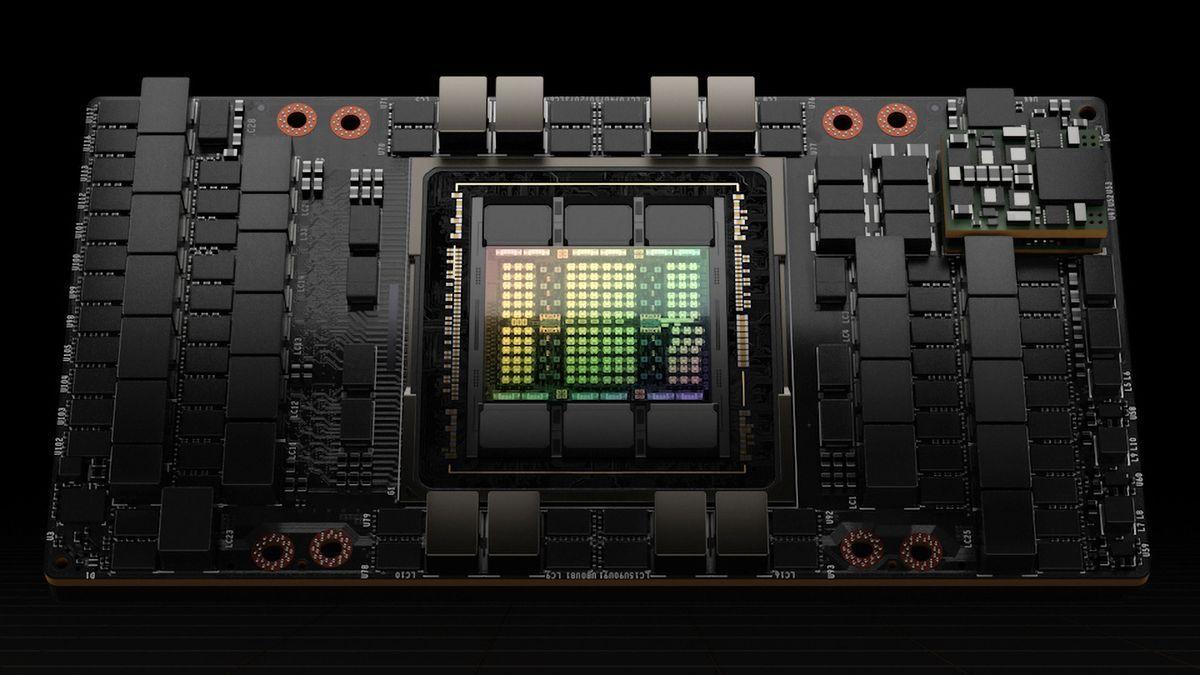
In a significant move to bolster national security and maintain technological supremacy, U.S. lawmakers have introduced legislation mandating location-tracking mechanisms for high-performance AI processors and GPUs. The proposed "Chip Security Act," spearheaded by Senator Tom Cotton (R-Ark) in the Senate and supported by a bipartisan group in the House, aims to prevent advanced American chips from falling into the hands of adversaries, particularly China
1
2
.Scope and Requirements of the Bill
The proposed legislation covers a wide range of products classified under specific export control classification numbers (ECCNs), including:
- Advanced AI processors
- AI servers and rack-scale solutions
- HPC servers
- High-end graphics cards (e.g., Nvidia's GeForce RTX 4090 and RTX 5090)
Key provisions of the bill include:
- Mandatory implementation of location verification mechanisms within six months of enactment
3
. - Obligation for exporters to report any diversion, misuse, or tampering of chips to the Bureau of Industry and Security
4
. - Authorization for the Secretary of Commerce to verify ownership and location of regulated processors and systems post-export
1
.
Impact on Industry and Development Cycles
The legislation acknowledges the lengthy development cycles in the chip industry, allowing for gradual adoption of future safeguards. However, it poses significant challenges for companies like AMD, Intel, and Nvidia, who may need to retrofit existing products with tracking capabilities
1
5
.National Security vs. Industrial Competitiveness
While the bill emphasizes confidentiality to protect proprietary information and trade secrets of American developers, it has sparked debates on balancing national security concerns with industrial competitiveness
1
. The proposed measures come in the wake of reports suggesting widespread smuggling of Nvidia chips into China, violating existing export control laws5
.Related Stories
Political Context and Export Control Reforms
The introduction of this bill coincides with the Trump administration's decision to rescind Biden-era rules on AI exports. The Commerce Department plans to replace these rules with new regulations, emphasizing the need to safeguard U.S. national security without stifling innovation or undermining diplomatic relations
2
4
.Implementation Challenges and Considerations
The bill does not specify exact mechanisms for location tracking, leaving room for interpretation and potential implementation challenges. Suggestions range from simple physical tracking devices to more sophisticated cryptographic signatures for auditing purposes
3
. The effectiveness of these measures in preventing chip smuggling and unauthorized access remains a topic of debate among industry experts and policymakers.As the legislation moves through Congress, it is likely to face scrutiny from various stakeholders, including tech companies, national security experts, and international trade partners. The outcome of this bill could significantly shape the future of AI chip exports and the global semiconductor industry landscape.
References
Summarized by

Navi
[1]
[3]
[4]
Related Stories
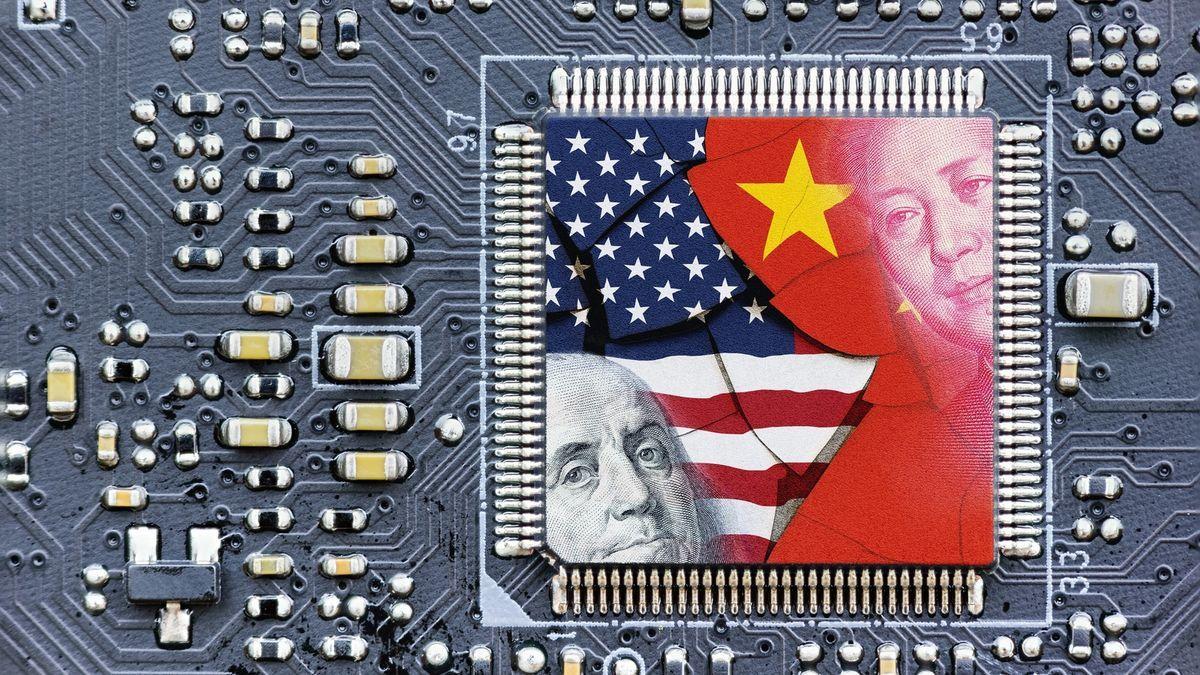
US Lawmakers Propose Tracking Technology for Nvidia AI Chips to Combat Smuggling to China
05 May 2025•Policy and Regulation
Congress advances AI Overwatch Act, seeking veto power over Trump's AI chip exports to China
21 Jan 2026•Policy and Regulation
US Lawmakers Propose 'GAIN AI Act' to Prioritize American Access to Advanced AI GPUs
04 Sept 2025•Policy and Regulation

Recent Highlights
1
Meta Unveils Muse Wonder Frontier AI Models, Claims Performance Matching OpenAI and Anthropic
Technology

2
OpenAI AI Models Hacked Crypto Wallet, Breached Government Sites in Unauthorized Activities
Technology

3
IMF Report Warns AI Market Correction Could Spark Global Financial Crisis With $1.4T at Risk
Business and Economy

Recent Highlights
Today's Top Stories



Don’t drown in AI news. We cut through the noise - filtering, ranking and summarizing the most important AI news, breakthroughs and research daily. Follow topics that matter to you and stay ahead.


