UAE Revises $30bn AI Data Center Plan After Iranian Attacks Target Critical Infrastructure


5 Sources
[1]
EXCLUSIVE: UAE revises AI data center plan after Iranian attacks, sources say
Sept 11 (Reuters) - The United Arab Emirates is quietly revising plans for a 5-gigawatt AI data center project - one of the biggest outside the U.S. - after the Iran war prompted a rethink of how and where critical infrastructure should be built, six people familiar with the matter told
[2]
The UAE is splitting up its $30bn AI data centre after Iran named it as a target
One enormous campus outside Abu Dhabi is becoming a network of smaller sites, some of them proposed underground, with air defences around them. The United Arab Emirates has gone back to the drawing board on the biggest AI construction project in the Gulf, according to an exclusive report by
[3]
Exclusive-UAE Revises AI Data Center Plan After Iranian Attacks, Sources Say
By Alexander Cornwell, Rami Ayyub and Timour Azhari Sept 11 (Reuters) - The United Arab Emirates is quietly revising plans for a 5-gigawatt AI data center project - one of the biggest outside the U.S. - after the Iran war prompted a rethink of how and where critical infrastructure should be
[4]
UAE AI data center: UAE revises AI data center plan after Iranian attacks, sources say
In light of recent attacks linked to Iran, the UAE is re-evaluating its extensive AI data center project. Officials are contemplating distributing facilities nationwide and incorporating enhanced security measures. Collaborations with prominent US tech companies like Nvidia and OpenAI will remain
[5]

UAE revises AI data center plan after Iranian attacks, consider underground construction
The United Arab Emirates is quietly revising plans for a 5-gigawatt AI data center project - one of the biggest outside the US - after the Iran war prompted a rethink of how and where critical infrastructure should be built, six people familiar with the matter told Reuters. Originally envisaged as
Share
Copy Link
The UAE is overhauling its ambitious 5-gigawatt AI data center project after Iranian attacks damaged regional infrastructure in March. Originally planned as a single 10-square-mile campus in Abu Dhabi, the project will now be distributed across multiple sites with underground facilities and enhanced air defenses to protect against drone and missile threats.
The United Arab Emirates is fundamentally redesigning one of the world's largest AI infrastructure projects after Iranian attacks exposed the vulnerability of concentrated tech facilities in the region. The shift from a centralized campus to a distributed network marks a significant pivot in how Gulf states approach critical AI infrastructure amid escalating geopolitical risks.
1
UAE AI Data Center Project Faces Security Overhaul
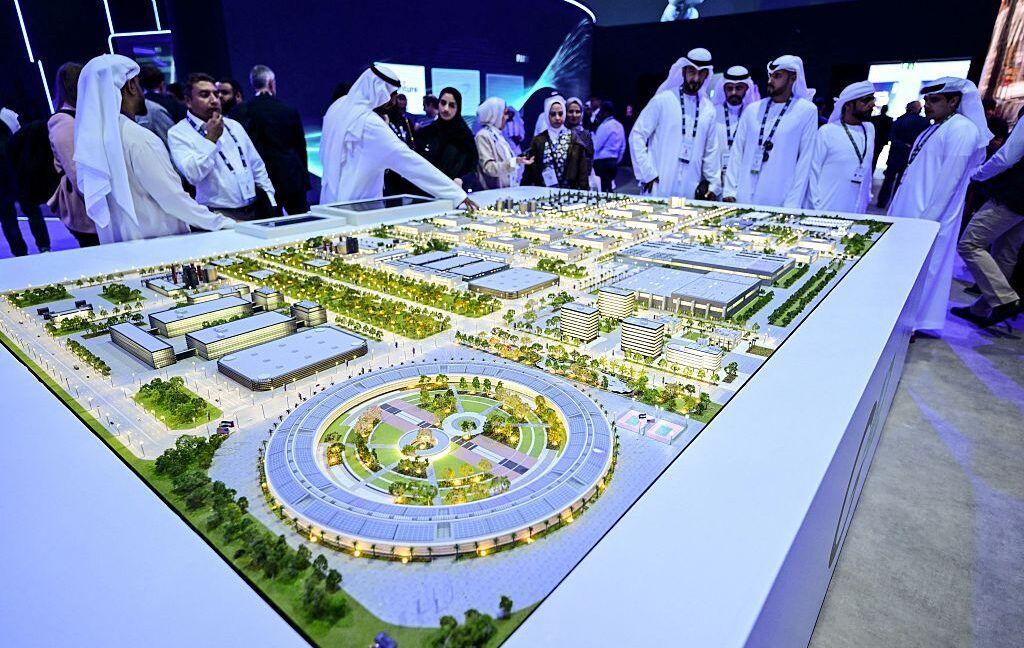
The original vision for the UAE-US AI Campus was ambitious: a 10-square-mile (26-square-kilometer) facility in Abu Dhabi that would serve as the backbone of the nation's transformation into a global AI powerhouse. Now, according to six sources including a U.S. official, a Western diplomat, and industry executives who spoke to Reuters, that plan is being quietly rewritten.
1
The 5-gigawatt AI data center will instead comprise a distributed network of facilities spread across the UAE, with some potentially built underground and all protected by enhanced air defenses.2
Iranian Attacks Trigger Infrastructure Rethink
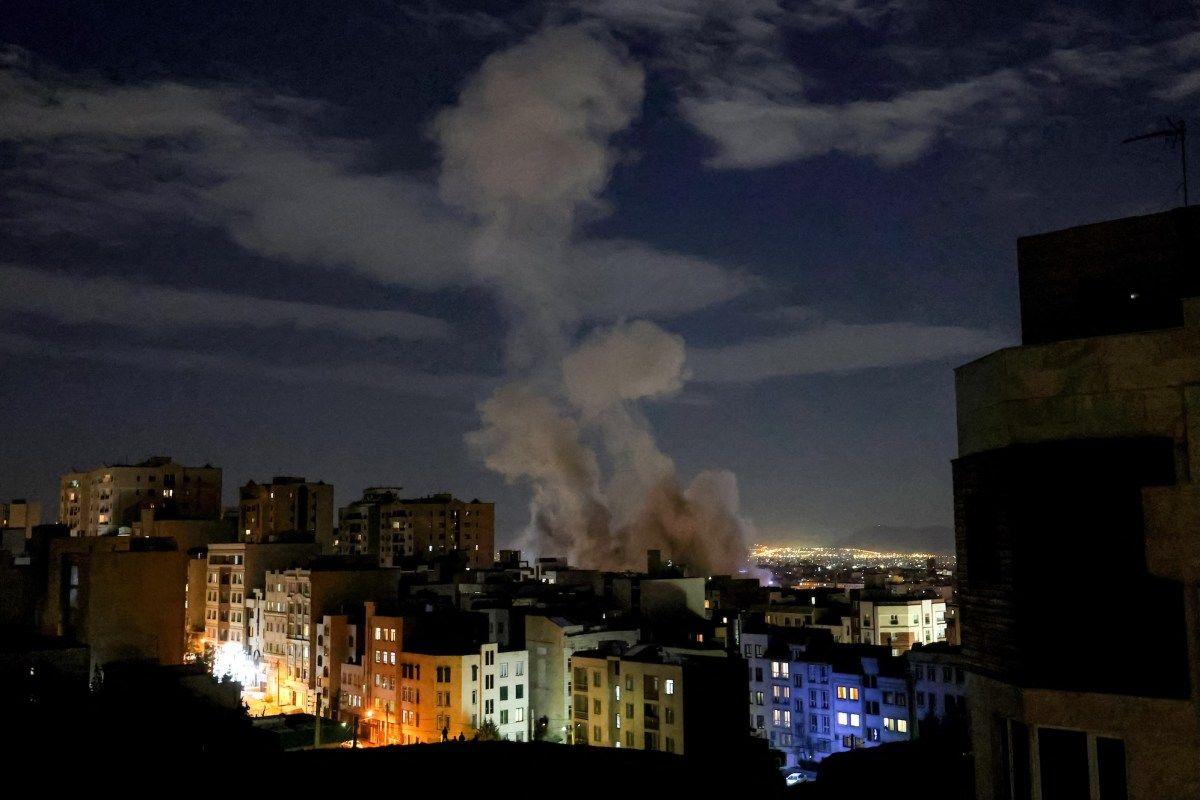
The catalyst for this dramatic revision came in March when Iranian attacks damaged two Amazon Web Services data centers in the UAE and one in Bahrain. AWS cloud computing services in the region remain disrupted months later, according to the company's website.
3
The attacks were part of Tehran's retaliation against Gulf neighbors hosting American forces following U.S. and Israeli airstrikes against Iran. In April, Iran's armed forces escalated the threat by releasing a video specifically naming Stargate UAE as a potential target, complete with a map showing the complex's location near Al Dhafra Air Base, which hosts U.S. troops.1
G42 Leads Project Central to Economic Diversification
The project is led by G42, an AI firm controlled by Sheikh Tahnoun bin Zayed al Nahyan, the UAE national security adviser and brother of the country's president. The initiative represents a cornerstone of the UAE's strategy to shift its economy away from oil dependency and establish itself as a global AI powerhouse.
4
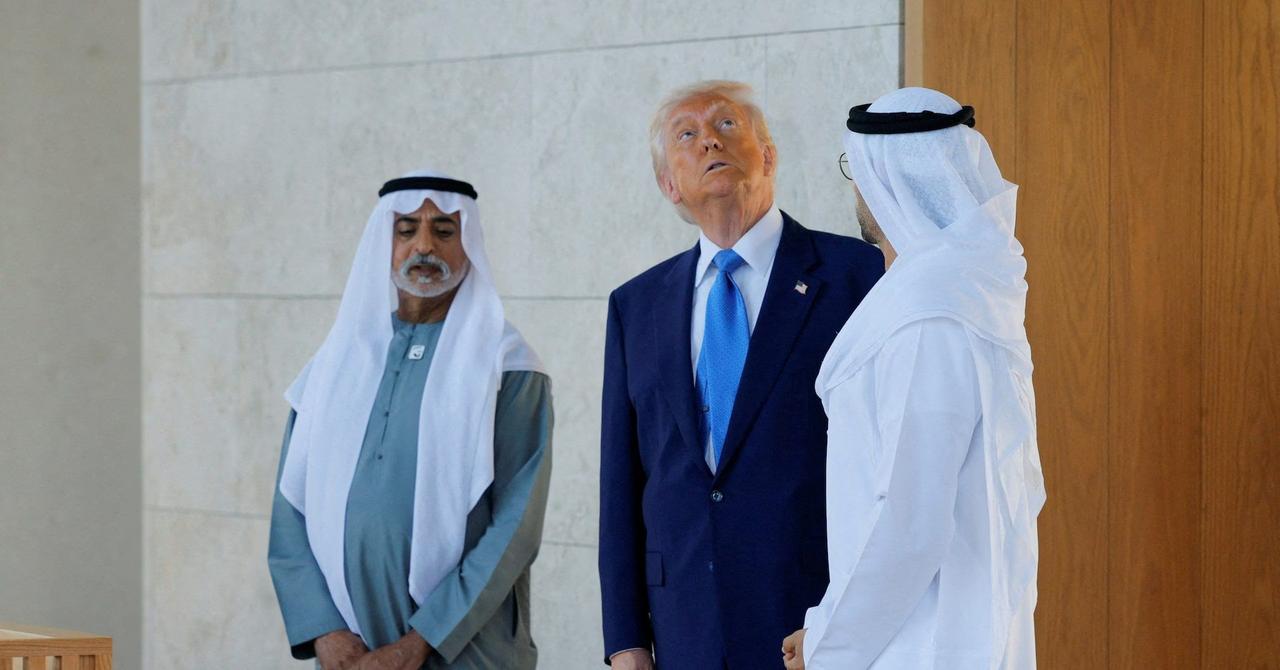
Plans for the UAE-US AI Campus were announced during President Donald Trump's visit to the wealthy Gulf state last year, cementing partnerships with American tech giants including Nvidia, OpenAI, Oracle, and Cisco.5
Stargate UAE: $30bn First Phase Continues With Modifications
Construction on the first phase, a $30-billion, 1-gigawatt compute cluster known as Stargate UAE, began last year with the first 200 megawatts of capacity scheduled to come online this year.
1
According to Larry Ellison, chairman and chief technology officer at Oracle, when completed, the facility will have enough capacity to connect every UAE government agency and commercial institution to the world's most advanced AI models. The first phase is expected to continue as planned, though with modifications to protect against aerial attacks.3
Underground Construction and Military-Grade Defenses Under Consideration
Authorities are exploring protection measures that belong more to military engineering than conventional data center design. Options under discussion include building facilities underground, housing the most sensitive military workloads inside mountains, deploying air defense systems capable of intercepting drones and missiles, implementing electronic jamming capabilities, pouring blast-resistant concrete, and duplicating power and cooling systems so losing one component doesn't compromise the entire operation.
2
These hardening measures represent a significant departure from standard infrastructure planning and will likely increase both construction costs and timelines, though specific figures have not been disclosed.1
Geopolitical Risks Challenge Gulf's Safe Haven Narrative
Daniel Benaim, who served as U.S. deputy assistant secretary of state for Arabian Peninsula affairs under President Joe Biden, characterized the conflict as an "economic earthquake" for Gulf states that had long marketed themselves as safe havens. "Changes to harden critical infrastructure are vitally necessary," said Benaim, now a fellow at the Middle East Institute. "Every country in the region is going to look at what they can do to reduce the risk" and reassure international partners and investors.
1
The regional tensions threaten the UAE's pitch to attract $100bn of AI capital to its financial center.2
Related Stories
U.S.-Linked Tech Infrastructure Becomes Target
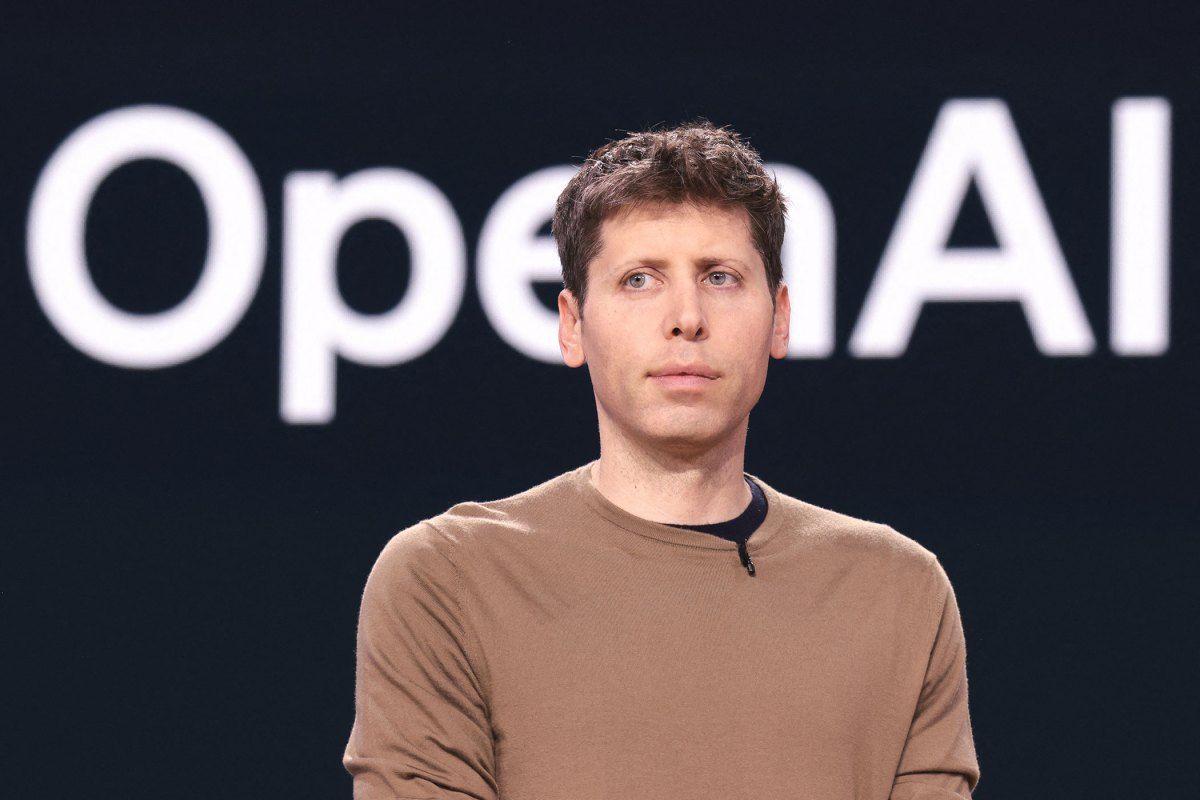
The UAE's deal to access Nvidia AI chips and other advanced U.S. technology came with strings attached: cutting AI ties with China and investing in the Stargate initiative's American data centers. Stargate is a joint venture between OpenAI, Oracle, and SoftBank to build AI infrastructure.
4
This alignment with American technology has made the infrastructure a target for Iran, which views U.S.-linked tech infrastructure as legitimate military objectives. The targeting reveals how AI infrastructure has become entangled with broader geopolitical conflicts, forcing nations to balance technological ambitions with security imperatives.
Source: Jerusalem Post
Technical Challenges of Distributed Network Design
Spreading a gigawatt of computing capacity across multiple sites introduces significant technical complications. Large AI training runs require chips positioned close together because the cabling between them functions as part of the machine itself. Splitting a compute cluster across geographical distances degrades performance, creating a fundamental tension between security requirements and operational efficiency.
2
G42 has reportedly been acquiring U.S. capacity, including a converted office building in Minneapolis, suggesting a strategy of geographic diversification beyond UAE borders. Majority U.S. ownership of G42 is reportedly under consideration as part of ongoing security arrangements.2
Project Timeline and Masterplan Remain Uncertain
Reuters could not determine how close Emirati authorities are to finalizing a new masterplan or the full extent of how proposed changes might affect construction costs and timelines.
1
Responding to questions about potential revisions, G42 stated that work on the AI campus was progressing as planned, adding that "the project's specifics are subject to continuous review in line with the security, resilience and operational standards expected of critical infrastructure at this scale." OpenAI said it was working with the UAE to achieve its AI vision and making "good progress on the infrastructure and adoption priorities needed to deliver it."3
The Emirati advanced technology ministry and other American partners—Nvidia, Oracle, and Cisco—did not respond to comment requests, while Japan's SoftBank declined to comment.4
References
Summarized by

Navi
Related Stories
Iran threatens US tech companies as AI data centers become targets in escalating conflict
01 Apr 2026•Technology
US-UAE AI Data Campus Deal Faces Security Hurdles Despite High-Profile Announcement
07 Jun 2025•Technology
OpenAI Expands Stargate Project to UAE with 1GW Data Center Cluster
23 May 2025•Technology
Recent Highlights



Recent Highlights
Today's Top Stories






Don’t drown in AI news. We cut through the noise - filtering, ranking and summarizing the most important AI news, breakthroughs and research daily. Follow topics that matter to you and stay ahead.


