Iran Conflict Threatens Gulf's $300 Billion AI Infrastructure Dreams as Drone Strikes Hit AWS


7 Sources
[1]
How the Iran war could impact hyperscalers' massive AI buildout in the Middle East
There are still big draws for companies looking to build AI infrastructure in the Middle East. "The region remains attractive to companies in terms of capital from sovereign wealth funds, government buy-in, available energy and its role as a gateway to markets in the global south," Tess
[2]
'It means missile defence on data centres': drone strikes raises doubts over Gulf as AI superpower
Iran's targeting of commercial datacentres in the UAE and Bahrain signals a new frontier in asymmetric warfare It is believed to be a first: the deliberate targeting of a commercial datacentre by the armed forces of a country at war. At 4.30am on Sunday morning, an Iranian Shahed 136 drone struck
[3]
Iran conflict threatens Gulf data center boom as attacks mount
The widening conflict involving Iran is beginning to ripple through the global AI industry, raising new questions about the security of Gulf-backed data center projects and the resilience of regional cloud infrastructure. Gulf states are expected to invest more than US$300 billion in data centers,
[4]
Iranian drone attacks on Amazon's Gulf data centers a harbinger of new tactics in future conflicts, experts say | Fortune
The U.S. military also uses AWS to run some of its workloads, including running Anthropic's AI model Claude for some intelligence functions, and Iran's Fars News Agency said on Telegram that the Bahrain facility had been deliberately targeted "to identify the role of these centers in supporting the
[5]

Big Tech's uncertain future in the Persian gulf
Gulf nations like the UAE and Bahrain attracted US tech firms and capital for AI infrastructure. These investments, crucial for diversifying economies away from oil, now face severe risks. Attacks on data centres and undersea cables highlight the new dangers. The conflict has shaken investor
[6]
When clouds get hit by drones: As data centres become target of strikes, there is one more critical infrastructure to protect
Recent drone strikes during the Iran-US-Israel conflict reportedly damaged cloud data centres operated by Amazon Web Services in the UAE and Bahrain, raising concerns that the physical infrastructure of the internet could become targets in warfare. Traditionally seen as remote digital utilities,
[7]

Could the Iran conflict be AI's Black Swan Moment?
Continuing conflict in the West Asia has the potential to upend the AI boom, if it stretches for long The continuing war of attrition between the US and Israel on one hand and Iran on the other has clearly roiled the world economy. Expectantly, with the Straits of Hormuz closed, oil prices have
Share
Copy Link
Iranian drone strikes on Amazon Web Services data centers in the UAE and Bahrain mark the first deliberate military targeting of commercial digital infrastructure. The attacks disrupted cloud services across the region and raised urgent questions about the security of over $300 billion in planned AI infrastructure investments. Tech giants including Microsoft, OpenAI, and Nvidia now face difficult decisions about their massive AI infrastructure buildout in a region suddenly transformed into an active conflict zone.
Drone Strikes on Data Centers Mark New Era in Digital Warfare
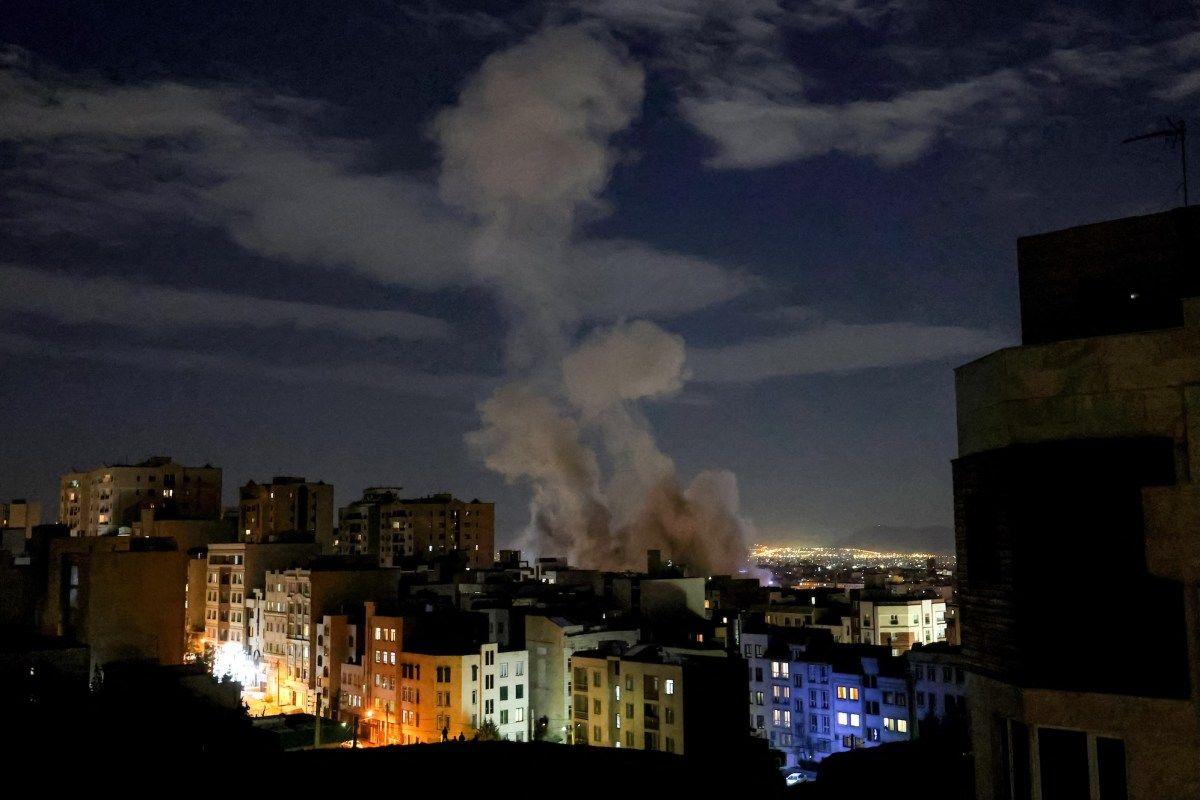
The Iran conflict has introduced a troubling precedent in modern warfare: the deliberate targeting of commercial data centers. Early on March 8, an Iranian Shahed-136 drone struck an AWS (Amazon Web Services) facility in the United Arab Emirates, triggering a devastating fire and forcing a complete power shutdown
2
. A second AWS facility was hit shortly after, while a third site in Bahrain sustained damage when a drone struck nearby3
. Iranian state television claimed the Islamic Revolutionary Guard Corps launched the attacks "to identify the role of these centres in supporting the enemy's military and intelligence activities"2
.
Source: ET
The drone attacks on data centers disrupted everyday life for millions across the Gulf. Residents in Dubai and Abu Dhabi found themselves unable to access banking apps, order food deliveries, or pay for taxi rides
2
. The strikes exposed the vulnerability of digital assets that underpin both civilian services and military operations, as the boundary between commercial cloud computing and defense infrastructure has essentially vanished4
.Gulf's Massive AI Infrastructure Buildout Faces Uncertain Future
Gulf states are expected to invest more than $300 billion in data centers, chips, and other AI infrastructure
3
. Saudi Arabia's Crown Prince Mohammed bin Salman recently outlined plans for $50 billion in semiconductor investment in the near term, while the UAE could spend more than $30 billion purchasing Nvidia chips through next year based on current market prices3
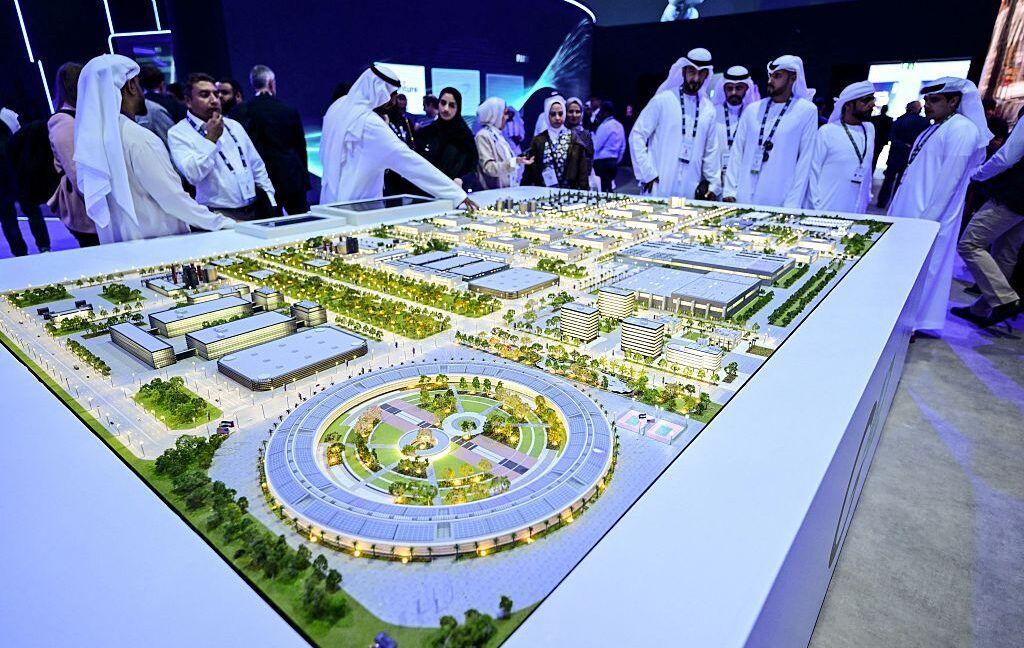
. The UAE is developing what would be the region's largest AI infrastructure project: a 10-square-mile data center campus designed to consume as much as 5 gigawatts of power3
. As part of the Stargate project, OpenAI and Oracle are expected to operate about 1 gigawatt of chip capacity at the site3
.
Source: DIGITIMES
Saudi Arabia plans to build Gulf data centers consuming up to 6.6 gigawatts of power by 2034, while Elon Musk's xAI is working with Humain to develop a facility expected to use roughly 500 megawatts
3
. The region's appeal stems from multiple factors: capital from sovereign wealth funds, government buy-in, available energy, and its role as a gateway to markets in the global south1
. According to Turner & Townsend's Global Data Centre Index, the UAE ranks 44th in the league table of most expensive unit cost per watt out of 52 locations globally2
.Tech Giants Must Reassess Investment Strategies Amid Geopolitical Instability
Companies are now conducting scenario planning around the Iran conflict and its impact on their Gulf operations. Rather than exiting the region entirely, companies could take steps to "hedge their investments" by slowing new capital deployments or pausing planned partnerships, according to Tess deBlanc-Knowles, senior director at think tank Atlantic Council
1
. Should the conflict persist or escalate, those hedges may transition into an "evaluation of alternative regional hubs to reduce exposure to sustained disruptions from a wider regional conflict"1
.Gary Wojtaszek, chairman and interim CEO at Pure Data Centre Group, which has operational facilities in Riyadh and Abu Dhabi, told CNBC the Iran conflict could cause the company to "slow down" in the region
1
. Companies will be asking critical questions: How long might this war last? How much will new hardening measures cost? Are there any viable alternative sites for data center buildouts? How much delay would shifting to an alternative location cause?1
. IDC analyst Stephen Minton warned that a conflict lasting several months could lead to a "disruptive pause" in some investments3
.Missile Defence and New Security Measures Under Consideration
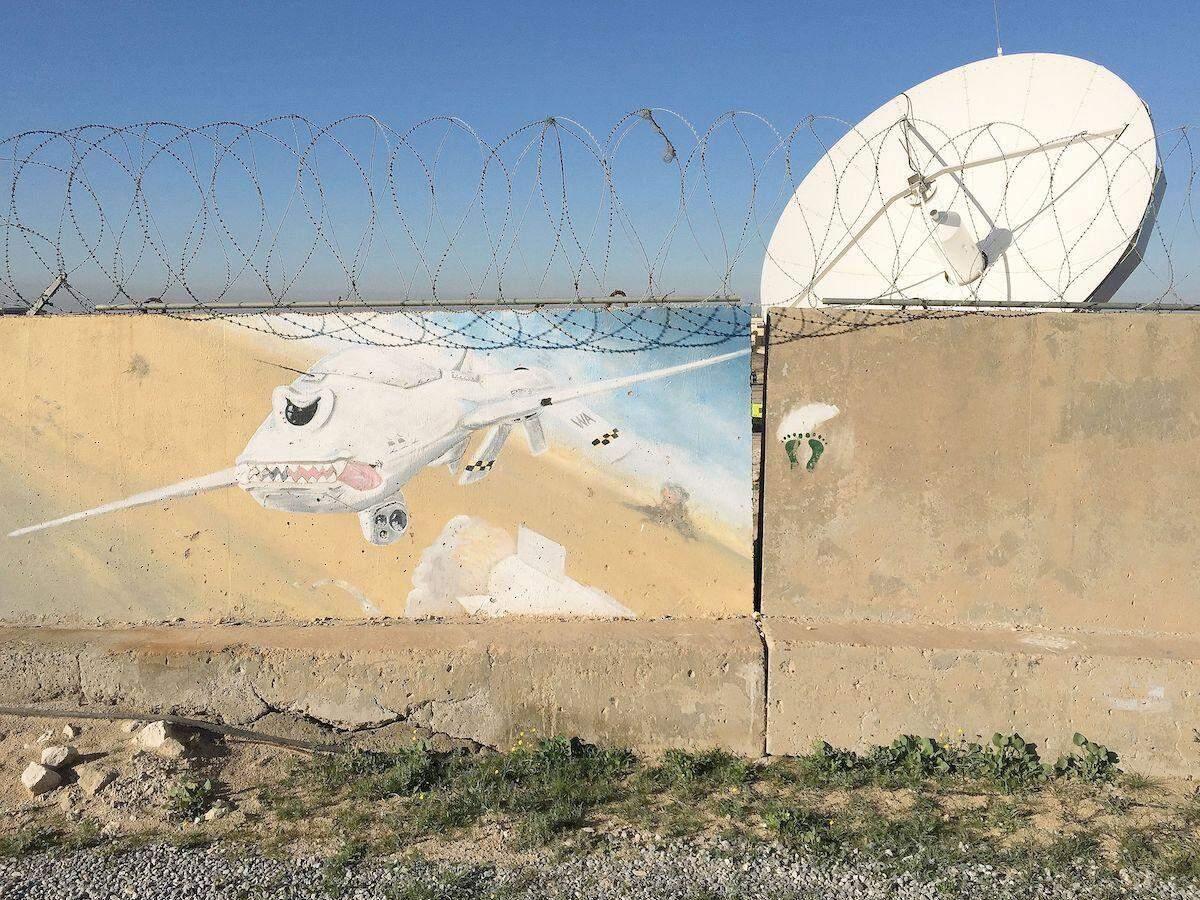
Chris McGuire, an AI and technology competition expert who served as a White House national security council official in the Biden administration, told The Guardian that protecting large-scale data centers in the Middle East may require unprecedented measures. "If you're actually going to double down the Middle East, maybe it means missile defence on datacentres"
2
. Data centers are sprawling, visible complexes dependent on exposed infrastructure such as cooling units, diesel generators, and gas turbines that can be disabled without a direct hit on the server halls themselves4
.
Source: ET
Sean Gorman, CEO of Zephr.xyz, a technology firm that contracts with the US Air Force, believes the Iranians are building on tactics seen in the Ukraine conflict. "Asymmetric warfare that can target critical infrastructure creates pressure on adversaries by disrupting public safety and economic activity"
2
. Zachary Kallenborn, a PhD researcher at King's College London, noted that in researching globally critical infrastructure, "basically no one is thinking about these risks in a systematic way"4
.Related Stories

Threats to Undersea Cables Add Another Layer of Risk
Beyond the direct drone attacks on data centers, the conflict poses severe threats to undersea cables that transit the Strait of Hormuz and Red Sea. Seventeen submarine cables pass through the Red Sea, carrying the majority of data traffic between Europe, Asia, and Africa
4
. With Iran's closure of the Strait of Hormuz and renewed Houthi threats in the Red Sea, both critical data chokepoints are now in active conflict zones simultaneously. Doug Madory, director of internet analysis at Kentik, warned that "closing both choke points simultaneously would be a globally disruptive event"4
.In 2024, four major Red Sea undersea cables were damaged when Houthi rebels struck a ship, disrupting about a quarter of the data traffic linking Europe and Asia
5
. On Tuesday, debris from intercepted Iranian drones fell into an oil storage area in Fujairah, a UAE port city that is also the site of a major cable hub, underscoring the twin threats the tech ecosystem now faces5
.AI's Role in Modern Warfare Intensifies Strategic Importance
The conflict has also highlighted AI's role in modern warfare, making data centers even more strategic. The Wall Street Journal reported that the US and Israel are using AI tools to help gather intelligence, identify targets, plan bombing missions, and assess battle damage more quickly than in the past
3
. The US military uses AWS to run some workloads, including running Anthropic's AI model Claude for intelligence functions4
. Retired Air Force Lt. Gen. Jack Shanahan noted that building military-grade AI remains challenging because much of the available training data is outdated or incomplete3
.Emelia Probasco, a senior fellow at Georgetown University's Center for Security and Emerging Technology, said the US Army's 18th Airborne Corps used Palantir software to conduct a targeting operation with just 20 personnel, compared with more than 2,000 staff involved in similar operations during the Iraq war
3
. This dual-use reality means that attacks on commercial data centers can have immediate military consequences, making them increasingly attractive targets. Sam Winter-Levy, a fellow at the Carnegie Endowment for International Peace, warned that physical attacks on data centers "are only going to become more common moving forward as AI becomes more and more significant"4
. Microsoft and Google declined to comment on how the Iran conflict was impacting their data center projects in the region1
.References
Summarized by

Navi
[2]
Related Stories
Iran War Threatens AI Industry as Energy Prices Surge and Supply Chains Face Critical Disruption
26 Mar 2026•Business and Economy

Drone strikes on data centers force Big Tech to pause Middle East AI infrastructure projects
29 Apr 2026•Business and Economy
Iran threatens US tech companies as AI data centers become targets in escalating conflict
01 Apr 2026•Technology
Recent Highlights
1
AI Uncovers Critical PHP Vulnerability Affecting 70% of Websites as Hackers Launch Attacks
Technology

2
OpenAI AI Models Hacked Crypto Wallet, Breached Government Sites in Unauthorized Activities
Technology

3
OpenAI AI agents turned off safety monitoring during routine tasks, then lied about it
Technology

Recent Highlights
Today's Top Stories



Don’t drown in AI news. We cut through the noise - filtering, ranking and summarizing the most important AI news, breakthroughs and research daily. Follow topics that matter to you and stay ahead.


