Uber picks Munich for robotaxi program with Autobrains and Nvidia's agentic AI approach


3 Sources
[1]
Uber picks Munich for its next robotaxi push, with Autobrains and Nvidia
The ride-hailing company is betting that Germany's automotive heartland, and a less sensor-heavy approach to autonomy, can finally make robotaxis scale in Europe. Munich is about to become a test of a particular theory: that the cheapest way to put a driverless taxi on a European street is to stop
[2]
Driverless taxis: Uber plans to test robotaxis in Munich
In San Francisco and Beijing they are already a familiar sight; soon driverless taxis could also be ferrying passengers around Munich. Uber plans to roll out autonomous robotaxis there, but it is still waiting for the green light from regulators. The decision was announced in Taipei, but it
[3]
Uber Chooses Munich as AI Robotaxi Testing Ground
Uber Technologies plans to launch a robotaxi program in the German city of Munich, marking the latest effort from the ride-hailing group to bring autonomous driving to the streets of Europe. The company is joining forces with Israeli artificial-intelligence startup Autobrains Technologies to
Share
Copy Link
Uber announced plans to launch autonomous robotaxis in Munich, partnering with Israeli AI firm Autobrains and Nvidia. The program uses agentic AI with multiple specialized agents instead of a single model, running on standard sensors rather than lidar-heavy systems. The deployment awaits German regulatory approval and could mark Germany's first commercial robotaxi service.
Uber Targets Munich for European Robotaxi Expansion
Uber has selected Munich as the launch city for its next robotaxi program, announced at Nvidia's GTC conference in Taipei. The ride-hailing company is partnering with Israeli AI startup Autobrains and leveraging Nvidia's DRIVE Hyperion platform to deploy autonomous robotaxis in Germany's automotive heartland
1
. The deployment is subject to regulatory approval, but Munich's selection reflects a strategic bet on Germany's federal rules permitting driverless vehicles in defined operating areas since 20212
.The choice of Munich is deliberate. As the home of BMW and a dense cluster of automotive suppliers, the Bavarian capital offers tight inner-city streets, fast ring roads, and what Uber describes as "a thoughtful German regulatory framework"
1
. This makes Germany one of the few European markets where Level 4 autonomous driving is legally feasible rather than a regulatory impossibility. While driverless taxis have become familiar in San Francisco and Beijing, Europe remains at an early stage for large-scale deployment2
.Agentic AI Replaces Sensor-Heavy Autonomy Systems
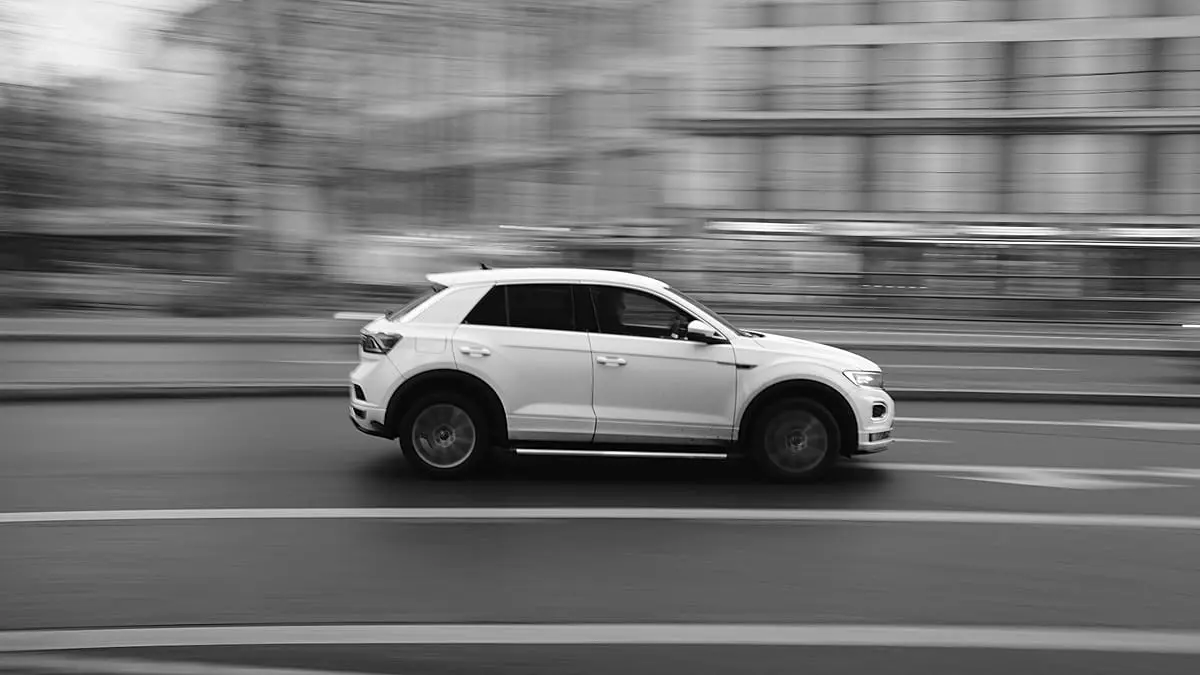
Source: Euronews
What distinguishes this Uber robotaxi program is the underlying technology. Most autonomous robotaxis today, including those operated by Waymo, rely on bespoke vehicles equipped with lidar and a single large end-to-end model trained to handle all driving tasks simultaneously. Autobrains takes the opposite approach with its agentic AI system, which breaks the driving task into specialized AI agents, each handling a specific slice of the problem
1
."Autonomous driving will not scale by relying on a single model to solve every driving scenario," said Igal Raichelgauz, Autobrains' chief executive and founder. "It requires systems that can reason, adapt, and make decisions under uncertainty"
1
. The technology runs on standard automotive sensors and ordinary automotive-grade compute, making it cheaper to build and easier to integrate into any carmaker's vehicle. This OEM-agnostic approach means the software can run across different manufacturers' cars rather than requiring a single custom fleet3
.Platform Strategy Replaces In-House Development
Uber sold its own self-driving unit to Aurora Innovation in 2020 and has since pursued a partnership model for autonomous mobility. Sarfraz Maredia, Uber's global head of autonomous mobility, explained that "the challenge is not just building autonomous vehicles--it's bringing them into a commercial network where they can reliably serve riders at scale"
3
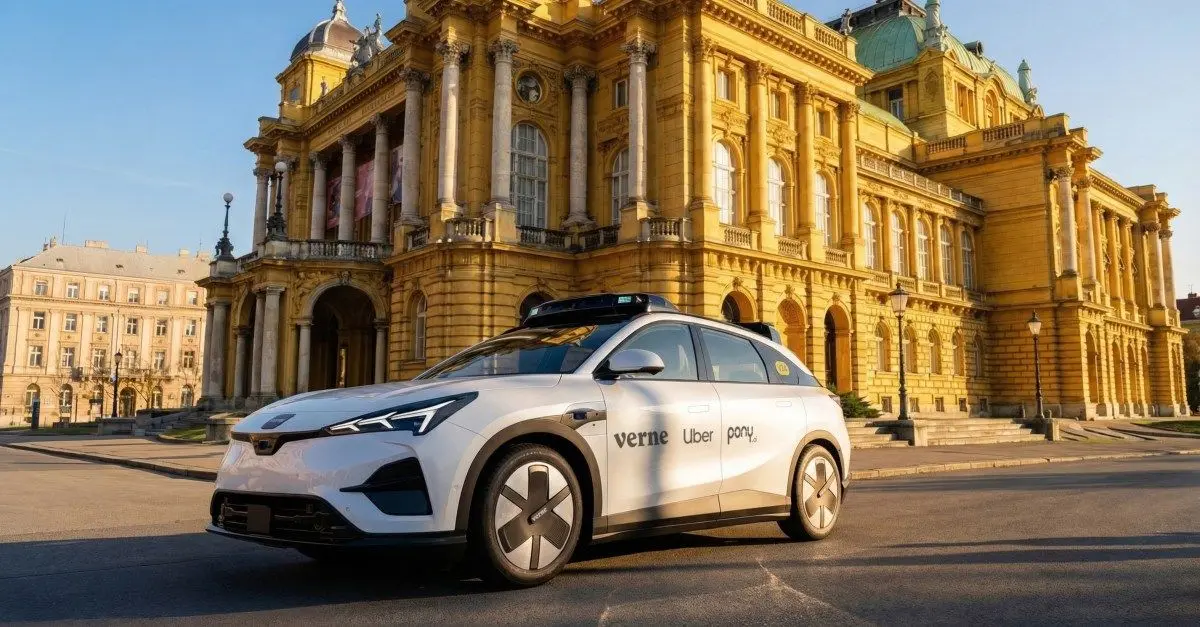
.The Munich initiative follows the same template as Uber's Tokyo pilot with Wayve and Nissan, and its partnership with Pony.ai and Verne, whose vehicles launched Europe's first commercial robotaxi service in Zagreb earlier this year
1
. The program allows carmakers to combine their vehicles with autonomous driving technology and fleet operations within Uber's ride-hailing network3
.Related Stories
Key Details Remain Undisclosed
The companies have not announced a launch date, fleet size, or which specific vehicle will be used for the self-driving vehicle trials. They also have not disclosed which carmaker, if any, will supply the cars, nor whether early rides will include safety operators as they do in Zagreb
1
. The Munich plan tracks a target Uber flagged last year when it first signaled an intention to begin operations in the city, so the announcement firms up a timeline more than it sets a new one.Autobrains, which has been developing driver-assistance systems since 2018, argues that multiple specialized systems can handle uncertainty better than a monolithic approach
2
. The vehicles will run on Nvidia's DRIVE Hyperion platform, a computing and sensor architecture designed for Level 4 autonomous vehicles that permits driverless journeys within defined operating areas.Competition Intensifies as Europe Opens Up
The Munich deployment positions Uber to compete in an increasingly crowded market. Google sister company Waymo already operates commercial robotaxi services in several major U.S. cities, while Tesla, Mobileye, and various Chinese providers are developing autonomous fleet solutions
2
. Tesla CEO Elon Musk has predicted self-driving cars could dominate road traffic within five years.In Europe, autonomous driving is gaining traction. Estonia's Transport Administration recently allowed Tesla drivers to use Full Self-Driving (Supervised), following similar approvals in Lithuania and the Netherlands
3
. Nvidia's vice-president for automotive, Ali Kani, told Euronews in January that partially autonomous driving would arrive later this year, stating "we need to move forward as quickly as regulation allows".Whether Munich becomes a springboard for broader European expansion depends on regulatory approvals, safety validation, and economic viability. The companies present the city as a test bed that could eventually enable deployment in other cities and on different vehicle platforms, potentially making the cost-effective approach to autonomous robotaxis scale across Europe.
References
Summarized by

Navi
[3]
Related Stories
Waymo Launches First EU Driverless Robotaxi Service in Munich, Germany by Late 2027
26 Aug 2026•Technology

Autobrains targets Europe for robotaxi growth with cost-effective autonomous driving tech
30 Jun 2026•Technology
Uber accelerates robotaxi expansion with Zoox and Nvidia partnerships across 28 cities
11 Mar 2026•Technology
Recent Highlights



Recent Highlights
Today's Top Stories









Don’t drown in AI news. We cut through the noise - filtering, ranking and summarizing the most important AI news, breakthroughs and research daily. Follow topics that matter to you and stay ahead.


