Autobrains targets Europe for robotaxi growth with cost-effective autonomous driving tech


3 Sources
[1]
Autonomous driving firm Autobrains eyes robotaxi growth in Europe, CEO says
FRANKFURT, June 30 (Reuters) - Europe is an emerging but promising market for self-driving 'robotaxis', with the technology set to become far more visible across the region over the next two years, the CEO of Israeli autonomous driving firm Autobrains said on Tuesday. "I think 2026 and 2027 is
[2]
Autonomous driving firm Autobrains eyes robotaxi growth in Europe, CEO says
Autobrains, which is based in Tel Aviv and has an office in Munich, is developing lower-cost autonomous driving technology built around so-called agentic AI, which it says reduces reliance on expensive sensors and computing power, a key obstacle to scaling self-driving systems. Europe is an
[3]
Autonomous driving firm Autobrains eyes robotaxi growth in Europe, CEO says
FRANKFURT, June 30 (Reuters) - Europe is an emerging but promising market for self-driving 'robotaxis', with the technology set to become far more visible across the region over the next two years, the CEO of Israeli autonomous driving firm Autobrains said on Tuesday. "I think 2026 and 2027 is
Share
Copy Link
Israeli autonomous driving firm Autobrains is betting on Europe as a key market for robotaxi growth, with CEO Igal Raichelgauz predicting 2026-2027 as an inflection point. The company is developing cost-effective self-driving technology using agentic AI to reduce reliance on expensive sensors, partnering with Uber to launch a robotaxi program in Munich.
Autobrains Positions Europe as Next Frontier for Robotaxi Growth
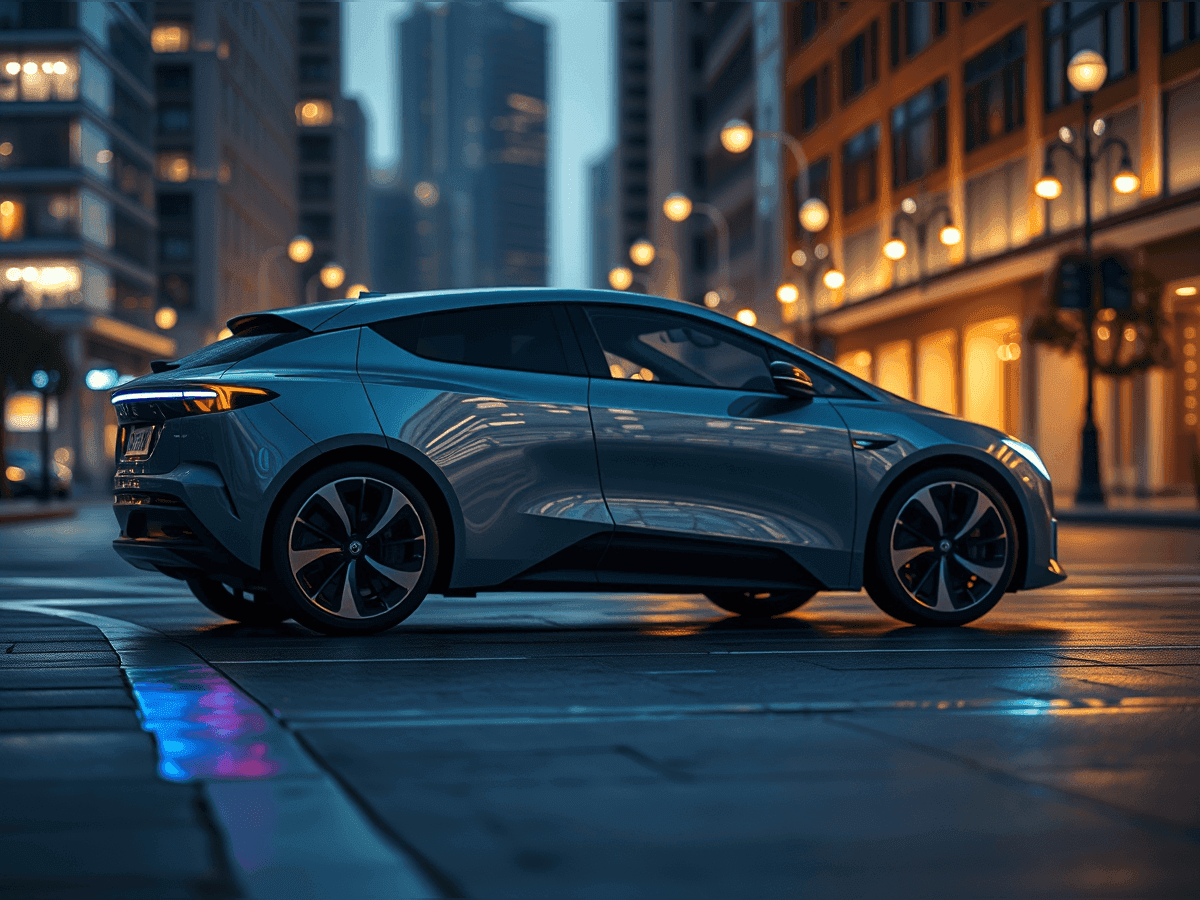
Europe is emerging as a critical battleground for autonomous driving technology, with Israeli firm Autobrains targeting the region for significant robotaxi expansion in Europe over the next two years. Speaking at the Reuters Automotive Europe conference in Frankfurt, CEO Igal Raichelgauz declared that "2026 and 2027 is going to be an inflection point for Europe in terms of robotaxis," signaling the company's confidence in the continent's readiness for self-driving technology adoption
1
. The Tel Aviv-based company, which maintains an office in Munich, is deliberately focusing on Europe and Southeast Asia rather than competing directly in the United States market where Waymo and Tesla already dominate2
.
Source: ET
Cost-Effective Self-Driving Technology Through Agentic AI
At the heart of Autobrains' strategy lies its development of cost-effective self-driving technology built around agentic AI, a novel approach that reduces reliance on expensive sensors and computing power. This technological innovation addresses one of the key obstacles to scaling self-driving systems: the prohibitive costs associated with traditional autonomous driving platforms
3
. By lowering the hardware requirements, Autobrains aims to make autonomous driving more accessible and economically viable for broader deployment across multiple markets.Uber Robotaxi Program Launches in Munich
In June, Autobrains announced a strategic partnership with Uber to launch a robotaxi program in Munich using the Nvidia Hyperion platform developed by U.S. chipmaker Nvidia
1
. Munich is expected to serve as the first deployment city, pending regulatory approval from German authorities. The choice of Munich is strategic, given its proximity to BMW's headquarters and other major automakers, positioning Autobrains to expand into the passenger vehicle market while building its robotaxi operations2
.Related Stories

Europe's Regulatory Framework Drives Global Scalability
Raichelgauz emphasized that Europe's stringent regulatory framework sets "the highest bar" for autonomous driving, making it an ideal proving ground for the technology. "If we reach it there, we can reach it everywhere," he explained, highlighting how success in Europe could enable global scalability for Autobrains' systems
3
. This approach suggests that meeting European standards could serve as a competitive advantage when expanding to other regions with less demanding requirements. The company's dual focus on Europe and Southeast Asia indicates a calculated strategy to build market share in regions where American competitors have less established presence, potentially creating opportunities for faster adoption and partnership development with local automotive manufacturers.References
Summarized by

Navi
[3]
Related Stories
Uber picks Munich for robotaxi program with Autobrains and Nvidia's agentic AI approach
02 Jun 2026•Technology

Waymo Launches First EU Driverless Robotaxi Service in Munich, Germany by Late 2027
26 Aug 2026•Technology

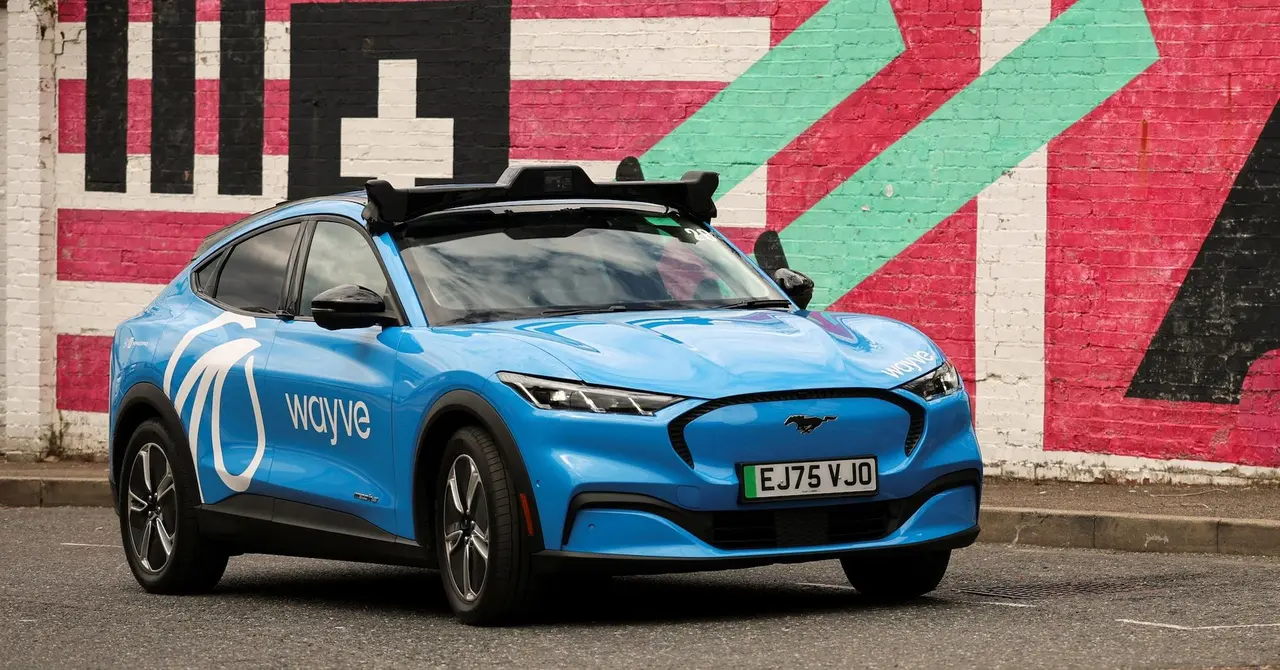
London becomes global battleground as Waymo, Baidu and Wayve launch competing robotaxi services
25 Jun 2026•Technology
Recent Highlights



Recent Highlights
Today's Top Stories









Don’t drown in AI news. We cut through the noise - filtering, ranking and summarizing the most important AI news, breakthroughs and research daily. Follow topics that matter to you and stay ahead.


