7 Sources
[1]
Uber and Wayve Launch London's First Public Robotaxi Service - CNET
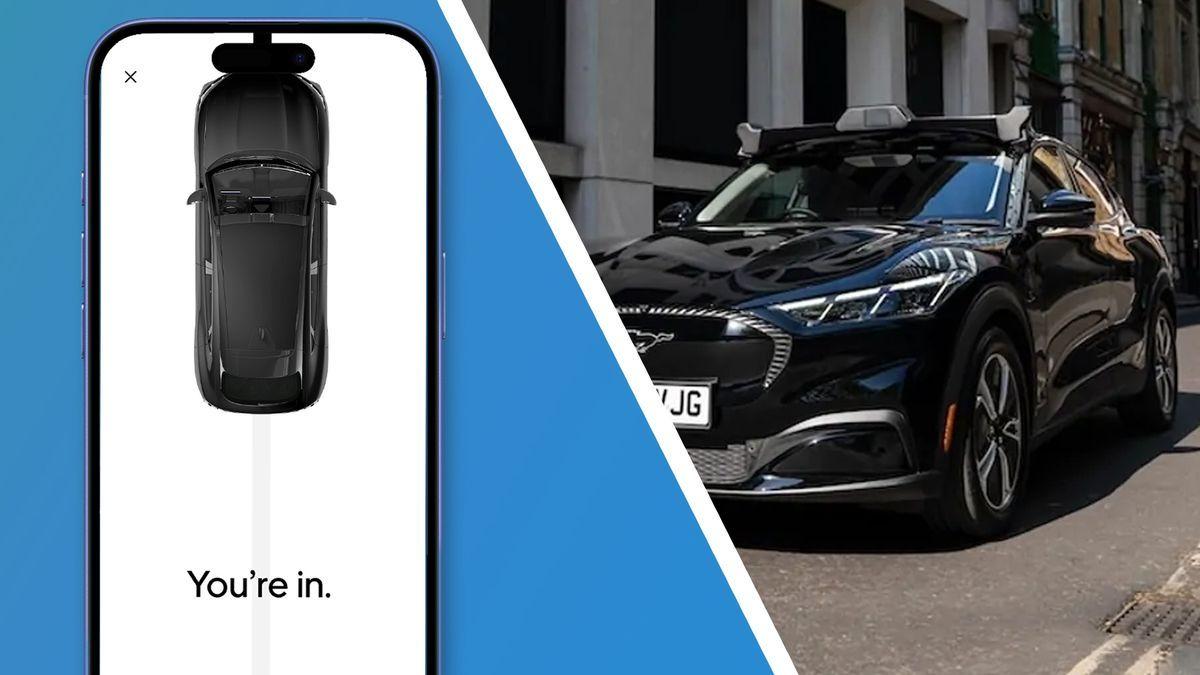
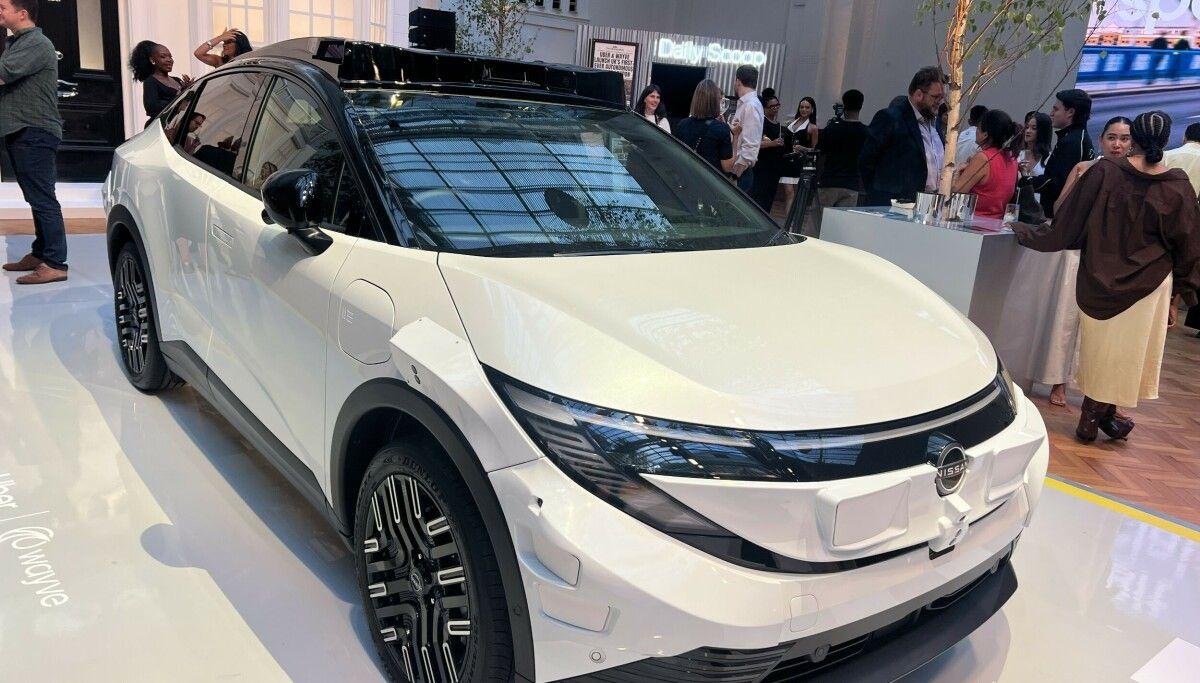
Abrar's interests include phones, streaming, autonomous vehicles, internet trends, entertainment, pop culture and digital accessibility.... Read full bio London's first public robotaxi service is now live. Starting today, UK riders can hail a self-driving vehicle via the Uber app, through a partnership with autonomous driving company Wayve - though a safety operator will initially remain in the driver's seat. At launch, the rides will take place aboard the all-electric Ford Mustang Mach-E. The vehicles are outfitted with cameras and radar, allowing Wayve's AI Driver to navigate with "full 360-degree visibility around the car at all times," the companies said in a press release. Eventually, rides can expand to other vehicles equipped with Wayve's driverless tech. In fact, Wayve and Uber plan to open up self-driving trips aboard the Nissan Leaf in Tokyo later this year. Wayve is one of a handful of autonomous vehicle (AV) companies looking to revolutionize urban transportation around the world. Competitors include Waymo, Zoox, Nuro, Avride and May Mobility - which all have partnerships with either Lyft, Uber or both. Waymo aims to launch its robotaxi service in London sometime this year, pending regulatory approval. Unlike AV systems that rely on high-definition maps and hand-coded rules for perception and navigation, Wayve says it uses foundational AI models that allow its AI Driver to learn from real-world environments and then apply those driving skills "to unexpected scenarios, even without prior training exposure." That means the tech can "adapt to new roads, vehicles, weather conditions and cities with unprecedented speed and efficiency," according to the company. The launch of the robotaxi service comes as Uber on Wednesday said it's laying off around 10% of its staff. The cuts involve "simplifying team structures" by eliminating several management roles, CEO Dara Khosrowshahi noted in a message to employees, which the company later shared in a newsroom post. Uber plans to invest more in ride-hailing, delivery and robotaxi operations. Navigating the challenges ahead Wayve was founded in 2017, and began operating on London's public roads in 2020. That's around the time Uber abandoned its own self-driving ambitions, opting to instead team up with more established players in the space. In 2024, Uber and Wayve announced their collaboration, agreeing to bring Wayve-powered vehicles to the Uber network. That was followed by plans the following year to launch self-driving trials on public streets in London. As driverless cars expand into more cities, they face a unique set of challenges shaped by distinct local cultures, roads and regulations. London may prove especially challenging, with its narrow, one-way routes and free-wheeling (and assertive) pedestrians. Additionally, the city's iconic black-cab culture has endured even as ride-hailing apps transformed how people get around. Now, autonomous vehicles could trigger another seismic shift in the city's transportation landscape - and potentially provoke fierce resistance from an industry that's already weathered one tech-fueled wave of disruption. At launch, Wayve will manage its fleet, while Otto Car, which provides private car rental services, will oversee the trained onboard safety drivers. Uber will eventually take over day-to-day fleet operations alongside Otto Car. The two companies will run a depot in London, which will serve as a hub for everything from vehicle maintenance to servicing and charging. There will also be charging pitstops throughout the operating area to boost vehicle uptime (and maximize profits). From the start, Uber will handle rider support, while Wayve will oversee its driverless tech. "We're proud to introduce the Wayve AI Driver to the public for the first time right here in London, our home city and one of the most complex driving environments in the world," Alex Kendall, CEO and co-founder of Wayve, said in a statement. "Autonomous driving technology will complement the city's rich transport network, and we're excited for Londoners to experience it first as we begin our global rollout with Uber." How to hail a Wayve robotaxi ride on Uber Starting today, if you request an UberX, Uber Comfort or Uber Electric ride in London, you could be matched with a Wayve-powered Mach-E vehicle. There is no additional cost and you'll see the pricing up front. The vehicles will drive autonomously, though initially, a safety operator will oversee the trip and offer support or take the wheel if needed. "This is part of our phased introduction, before fully driverless operations begin in the future," Uber and Wayve said in a release. Riders will get a notification each time they're matched with an AV, with the option to accept the ride or switch to a non-autonomous vehicle. So if you're not thrilled about having an AI-powered driver, you won't be forced to take one of these vehicles. On the flip side, if you're eager to get in an AV, you can boost your chances of being matched with one by opting in via the Uber app. Go to Account > Settings > Autonomous Vehicles (under Ride Preferences) and hit the toggle next to "Get more autonomous rides." Once the car arrives, you can unlock it and begin the trip from the Uber app. There's also a touchscreen in the vehicle for starting the ride and seeing the planned route - similar to what you'll find in other self-driving vehicles from companies like Waymo. Riders can access human support in the Uber app, or from the safety operator in the vehicle. You'll be able to rate the trip afterward, but won't be prompted to tip.
[2]
Uber Launches UK's First Robotaxi Service in London, But There's a Catch
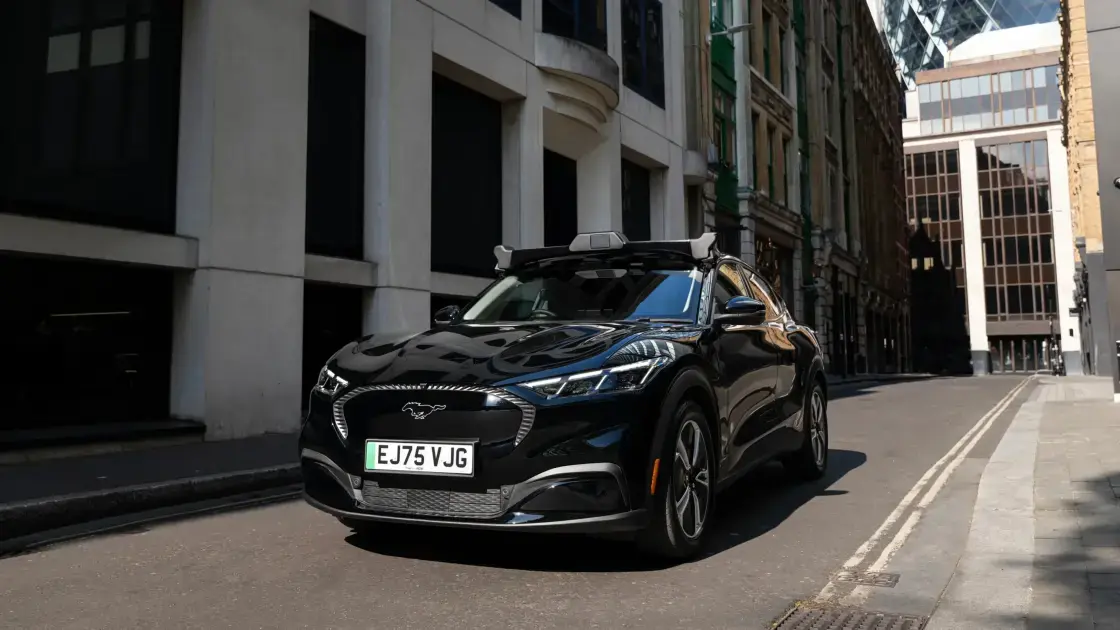
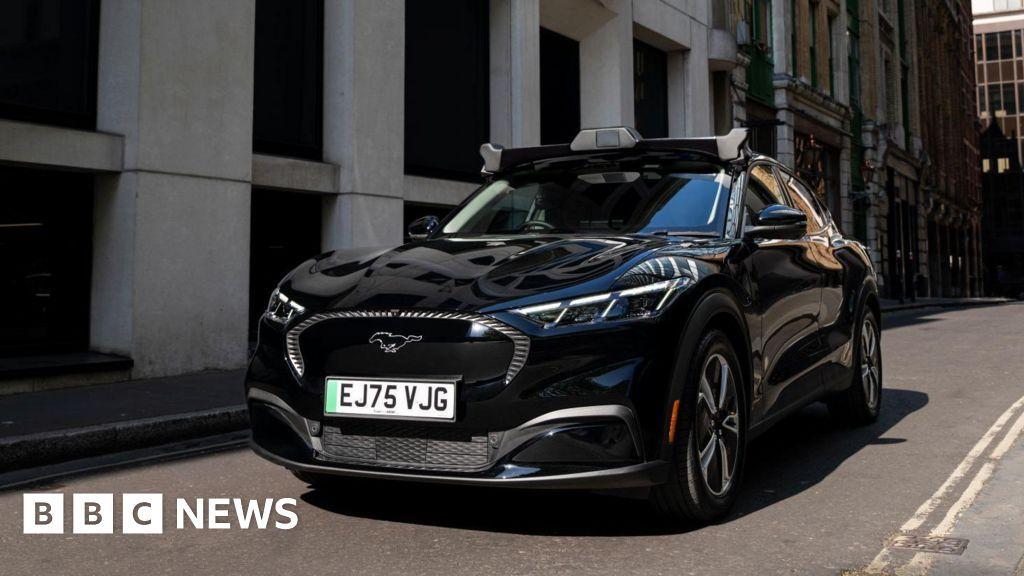
Ford Mustang Mach-E vehicle equipped with Wayve's autonomous driving tech (Credit: Uber/Wayve) Robotaxis are finally available in the UK. After months of testing, Uber began offering public robotaxi rides in London earlier today. Customers in the city who book an UberX, Uber Electric, or Uber Comfort ride may now be matched with a Ford Mustang Mach-E vehicle equipped with Wayve's AI Driver tech. Interested customers can accept Uber's robotaxi offer at no extra cost or decline it and ride in a non-autonomous vehicle as usual. When the car arrives, follow the instructions in the app to open the door and initiate the trip. For safety reasons, Uber's initial robotaxi trips will have a supervisor behind the wheel, and the company will operate just 15 vehicles in its fleet. More vehicles will be added "thoughtfully over time in line with rider demand, readiness, and regulation," but if you'd like to increase your chances of being matched with a robotaxi, you can set your trip preferences to AV by going to Account > Settings > Ride Preferences in the mobile app. Approximately 140,000 Londoners have already done so, Uber says. When it comes to the service area, Uber's robotaxis cover all parts of London but not airports. It's quite a challenging city for autonomous driving, since the roads are narrower and more irregular compared with orderly grid systems found in many modern cities. "This launch is a major milestone in scaling safe, accessible AV technology in a city with some of the world's most complex roads," says Sarfraz Maredia, Uber's head of autonomous mobility. Google-owned Waymo is also expected to begin its robotaxi service in London soon. It began testing Wayve's driving tech last year and may launch public rides in the city this year. Last month, Uber beat Waymo to become the first to launch robotaxi services in Europe with rides in Zagreb, Croatia. The company has committed $10 billion to its AV expansion and is targeting 15 cities by the end of this year. It is already operational in eight. This comes as Tesla is expected to unveil more details about its Cybercab at an event in Austin, Texas, tonight. First unveiled in 2024, the robotaxi is a smaller coupe with two butterfly doors, two seats, and a single band of headlights, similar to the Cybertruck. There's no steering wheel or pedals, or a charging port, as it can charge via induction.
[3]
Uber and Wayve to Start Testing Robotaxis in London
Reporting from London, after a short ride in a self-driving Uber around the Westminster area London's streets are difficult to navigate for even the most savvy of drivers. The city's medieval layout is a dense maze filled with cars, buses, delivery scooters, bikers and jaywalking pedestrians. There are roundabouts upon roundabouts. Restricted bus lanes emerge and disappear again. On one-lane streets, drivers traveling in opposite directions intersect and must coordinate in an unspoken language to get through. The failure rate for a driver's license test in London is just over 50 percent. This week, a small number of autonomous robotaxis will enter the fray, carrying London passengers for the first time. Fifteen cars operated by Uber and the British autonomous vehicle start-up Wayve will be available for ride-hailing through Uber's app as part of a safety testing period. The cars will have a safety driver present to take over if needed, as government regulators weigh eventually approving wider deployments. The technology's arrival in one of the world's largest and most iconic cities is an important step for the autonomous vehicle industry. Driverless cars are already common sights in cities like San Francisco, Beijing and Abu Dhabi, but acceptance has been slower in European cities, where the driving environment can be complex and regulation is stiff. "This is one milestone in a continuing long journey," Alex Kendall, the chief executive of Wayve, said in an interview while riding in the back seat of one of his company's autonomous vehicles in London. Mr. Kendall declined to estimate when British regulators would authorize a wider deployment of the technology across London roads, but analysts have said it may not be until 2027 or even 2028. In the meantime, companies are already preparing for London, one of the world's largest ride-hailing markets, to be a major battleground for autonomous vehicles. It is pitting American, European and Chinese technology against one another. Waymo, the service operated by Alphabet, is testing its vehicles in London without passengers. Baidu, the Chinese technology giant, has similar early tests underway with Freenow, a European division of Lyft. Ordering an autonomous taxi in London will work similarly to hailing an Uber. If one of the testing cars is available when customers make an order, the app will ask if they would like to take a robotaxi for about the same price. If they decline, Uber will send a car with a driver. On Tuesday, one of Wayve's Ford Mustang Mach-E cars wound though London, navigating past Westminster Abbey, Parliament and Big Ben. At each turn, through pedestrian crossings and construction zones, a driver's hands stayed rested on his lap as the steering wheel moved itself. Shihao Fu, a senior technology analyst for the market research firm IDTechEx, said regulators were taking a cautious approach because of the safety risks, as well as political considerations. London has more than 120,000 taxi and private for-hire drivers, and "there's a real question about what large-scale automation could mean for those jobs," Mr. Fu said. "The politics can definitely affect the speed of deployment even if the technology is ready," he added. Uber is pouring more resources into autonomous vehicles even as it cuts costs elsewhere. On Wednesday, the company said it was firing about 3,300 workers, or about 10 percent of the staff, to reallocate spending. The company plans to have robotaxis in 15 cities globally by the end of the year amid competition with Waymo, Tesla and others. Growth of the robotaxi industry risks getting caught up in wider public backlash against artificial intelligence. In New York, Gov. Kathy Hochul in February dialed back plans to allow robotaxi services outside New York City amid blowback from taxi drivers. Driver groups in London have raised similar concerns. Phil Farrelly, who drives a black cab that was parked outside Westminster Abbey, said that after his encounters with autonomous vehicles on London roads, he was not too worried about his job's being automated. To obtain a London black cab license, drivers must pass a grueling test known as the Knowledge, which involves essentially memorizing more than 100 square miles of city streets. Two weeks ago, Mr. Farrelly said, he turned into a traffic jam near Tower Bridge that started because two autonomous vehicles had come face to face on a one-lane road, neither able to navigate out of it until the safety drivers took over. "I think it'll probably work in some bigger cities in the States, but I just can't see it in London," he said. He added, "It will be a novelty." Andy Burnham, Britain's prime minister, has not stated a public position on autonomous taxis. Under Keir Starmer, his immediate predecessor, the government was supportive of the industry. Heidi Alexander, Britain's transport secretary, called the new robotaxis "a major milestone for the future of transport in London." Transport for London, a regulatory agency, said it would "closely monitor" robotaxis and "take immediate action if passenger safety is compromised." Sarfraz Maredia, Uber's global head of autonomous mobility, said robotaxis could become an important new part of transportation infrastructure. Public acceptance, he said, will hinge on "proving that it's safe and proving that it's reliable."
[4]
What it's like to ride in Uber's new self-driving taxis in London
Londoners are able to hail the UK's first robotaxis - as Uber today becomes the first company to launch a self-driving minicab. Initially, it only has 15 autonomous vehicles with a licence to operate in the city, and each one must have a human safety driver behind the wheel ready to take control if anything goes wrong. Uber said it surveyed London-based customers via the app and more than 100,000 said they would choose a self-driving taxi if one was available, despite incidents of driverless rides malfunctioning in US cities where they already operate. As I found out when I became the first UK journalist to hail one, it was mostly smooth but the safety driver did intervene on one occasion. At the moment the UK fare for a robotaxi ride will be the same fare as a standard UberX, Uber Electric, or Uber Comfort journey, with upfront fares shown in the app. Taking a self-driving ride will only appear as an option in the app after the journey has been booked, and if one of its cars is available nearby. Uber's global head of autonomous mobility and delivery Sarfraz Maredia said the plan was to phase them in over a period of several years. "We always want consumers to be able to request a human ride or an autonomous vehicle, and because the market's growing, we expect that there will be human drivers on Uber London for a long time to come," he said. The Ford Mustang electric vehicles which make up Uber's current small fleet are fitted with the UK tech firm Wayve's driverless car technology, which uses AI to analyse data about what is going on around it in real time, gathered by sensors in a bar on the roof of the vehicle and elsewhere. The vehicles are not pre-programmed - their actions are determined on the spot depending on what is going on. Google's autonomous car company Waymo and the Chinese tech giant Baidu are also vying to launch services in the UK, and the competition is fierce. Wayve chief executive Alex Kendall described developing the technology as "the space race for our generation" but added there were some "really hard problems to solve" along the way. "What we've done over time is pioneer a completely new approach to autonomous driving, making it possible to bring this to a busy and complex city like London and scale it globally," he said. This week I became the first British journalist to travel as a customer in a self-driving Uber after hailing one via the app. The safety driver gave me a 30-second safety briefing, and then we were off, making our way down the busy streets of central London. For several minutes, we negotiated the traffic without incident, cruising past a busy Brexit demonstration underway outside parliament, successfully navigating traffic lights and roadworks along the way. When a cyclist paused and waved us forward at a mini roundabout with his arm, the car complied. But at one point the safety driver did have to take control of the car. Just as we were pulling off, the back doors of a van parked beside us on a narrow side road appeared to swing open. The car braked sharply, an internal alarm beeped, and the driver took the wheel. Wayve later told me it was the driver's decision to intervene and they were confident their AI system would have handled it. The drama was all over in a couple of seconds - but it was perhaps the perfect illustration that while the industry may be in a rush, the UK's regulators are not. Earlier this year, the government and the industry had suggested that there could be fully driverless cars for hire in London by the end of 2026, but this is looking increasingly unlikely. The Department for Transport (DfT) and the regional authority Transport for London (TfL) are responsible for overseeing the process and have faced criticism for being slow. A DfT spokesperson said the government department was working towards a framework being put in place to ensure self-driving cars could be on the roads in 2027, but didn't give a specific date. "These services will be introduced carefully, subject to rigorous safety testing and regulatory approval and will require local consent which can consider the potential impacts on local roads, jobs and communities," the department said in a statement. Christina Calderator, director of transport strategy and policy at TfL, said they were "not holding up any decision" on the cars, but instead "taking time to get it right". "This is something that's new, it's coming to London - we need to make sure it's safe," she said. David McMullen, senior organiser for the trade union GMB, said caution needed to be taken with the roll-out of driverless cars unless people were "prepared to see unprecedented levels of social and economic disruption". He called on TfL and the government to develop a plan that "protects drivers" and said until one was put in place, it was "premature" to move to driverless services. Waymo - another driverless car firm owned by Google's Alphabet - has cars which have been driving London's streets for several months carrying out mapping. These cars currently have a safety driver and members of staff in them - but are not yet for the public. The firm says it does not intend to introduce a service that would include a human at the wheel. Experts said there were still numerous safety challenges around self-driving cars for regulators to consider. Prof Siddartha Khastgir, head of safe autonomy at the University of Warwick's Warwick Manufacturing Group said there were numerous safety challenges for regulators to consider. "As human drivers we tend to make a very conscious decision of what we believe is right, and sometimes actually do things that are not perfectly legal - so for example, we tend to mount the kerb to give way to an ambulance," he said. "So, how does a self-driving vehicle respond to emergency services? And what are the nuances of doing that in a crowded place like London?" Sign up for our Tech Decoded newsletter to follow the world's top tech stories and trends. Outside the UK? Sign up here.
[5]
Want a ride in Uber and Wayve's first driverless London taxis? Here's how to boost your chances
The UK's first self-driving taxis are now available for public rides * Uber users in London could find their next ride is autonomous * Safety drivers will be deployed during the initial pilot phase * Just 15 Wayve Ford Mustang Mach-E models will be on duty Almost a month after Transport for London (TfL) awarded a private hire license to Wayve's fully autonomous taxis, Uber has announced that the service is now live, with users of its ride-hailing app able to bag a ride in one of its "driverless" cabs. The vehicles, which are bespoke Ford Mustang Mach-E models that Wayve has fitted with radar, Lidar and a whole host of other sensors, will operate in an area that covers most of Greater London, stretching to Bexley in the east, Barnet in the north and just shy of Rickmansworth in the northwest. During the initial phase, Uber says a TfL-certified taxi driver will be in the driver's seat to supervise the trip, although it hasn't yet revealed exact dates for when it plans to operate a completely driverless service. However, with just 15 Wayve vehicles on the 100,000-strong London Uber fleet, the chances of being matched with an autonomous vehicle (AV) are slim. Those chosen riders will be matched with a vehicle much in the same way as it currently works, although they'll see an icon in the app marked "unlock vehicle" when it has arrived. This will unlock the doors, and users can then start the journey either in the app or via a screen inside the vehicle. Uber says it will still encourage users to rate their ride once it has finished, as is the case with the remainder of its fleet. According to Autocar, the vehicles use Wayve's latest generation of self-driving technology, dubbed AV 2.0, which uses artificial intelligence and machine learning to make decisions for itself, rather than relying on a remote teleoperator. Because the vehicles can quickly apply these "learnings", garnered over years of testing, the AVs (automated vehicles) can operate outside of a tightly geofenced area, as is the case with Tesla's current operation in Austin, Texas, although that area is expanding. How to boost your chances of flagging down an autonomous Uber Uber says users can increase their chances of matching with a Wayve vehicle by making sure they have the most up-to-date version of the app. It is then important to tap the "Account" button in the right corner of the home screen, head to Settings within that page and scroll down to Ride Preferences. Within that submenu, there will be a section dedicated to autonomous vehicles, where users can turn on AV preferences to boost their chances of experiencing the first public autonomous taxis in the UK. But as previously mentioned, with only 15 Wayve vehicles currently in operation, it is highly likely a regular human driver will be pulling up instead. Follow TechRadar on Google News and add us as a preferred source to get our expert news, reviews, and opinion in your feeds.
[6]
London's first self-driving taxis for hire hit the streets
Wayve robotaxis added to Uber app and will have human in front ready to take over if needed - but only 15 cars licensed Londoners are now able to hire self-driving taxis for the first time, after rides in Wayve's autonomous vehicles were added to the Uber app on Thursday. The chances of landing a robotaxi on request immediately are slim, with only 15 vehicles so far licensed. That contrasts with the more than 100,000 private hire vehicles in the capital - roughly the same number of Uber customers who have registered to take autonomous rides. The cars will still come with a licensed human driver sitting in the front seat, ready to take over the controls should the need arise. Transport for London last month licensed Uber and the UK tech company Wayve's modified Ford Mustang cars as private hire vehicles, whose conditions still require a safety driver supervising. Regulatory approval for vehicles in fully autonomous operations without a safety driver needs to be granted under a separate government process and agency, the Driver and Vehicle Standards Agency, and is now seen as unlikely this year. Nonetheless, Thursday's launch marks a significant milestone and has allowed Uber to steal a march in the race by tech companies to bring driverless taxis into London, seen as a crucial market for a wider European rollout. Google-owned Waymo and the Chinese company Baidu are testing their robotaxis in the UK capital. Alex Kendall, the chief executive and co-founder of Wayve, said he was proud to introduce the company's AI Driver technology to the public for the first time in London, "our home city and one of the most complex driving environments in the world". Kendall said the technology was "still maturing" but robotaxi services without a safety driver would come, although he declined to predict exactly when: "I don't want to put a timeline on it, but we're pushing as fast as we can." He said Wayve would be moving to "scalable manufacturer-produced vehicles" - new Nissan Leaf robotaxis with its technology - and needs to "validate the safety metrics on that platform", as well as secure regulatory approval. "We're working on all three in parallel. As soon as they come together, we'll launch [fully] driverless services," Kendall said. Wayve's self-driving technology is based on an AI learning model rather than the mapping used by rivals such as Waymo. On a brief autonomous test drive with the Guardian in Westminster this week, all passed smoothly, with Kendall notably pleased by the car deciding to pull away again and re-park after stopping in front of gates that other cars were attempting to pass through. "That was quite human-like - really cool," he said. "We've done a lot work to make sure the car can park in appropriate spots that are socially acceptable." The cars will be hailed and unlocked through the Uber app. The driver will introduce themselves with an appropriately robotic script, explaining that they will no longer speak during the ride but can be requested to take over control of the vehicle if the customer prefers. While they will be the first self-driving cabs for hire in London, fully driverless services are in operation in many cities worldwide, primarily in the US and China, as well as the United Arab Emirates. Uber partnered in launching Europe's first commercial robotaxi service earlier this summer in Zagreb, Croatia, with a human driver onboard as in London. Sarfraz Maredia, the head of autonomous mobility at Uber, said the London launch was "a major milestone in scaling safe, accessible AV technology in a city with some of the world's most complex roads". He said: "The benefit for consumers should be, over time, that it's both safer and cheaper. Today, nobody's able to operate AVs cheaper than a traditional human-driven ride, so that's going to take a while to prove." Maredia said Uber had heard concerns from drivers but said he believed they would not be put out of work: "One of the most common ones we hear from our drivers is: 'Hey, I drive in this city and it's very complex, and I don't think this product is going to be able to compete with me anytime soon.'" He added: "We always want Uber to be a platform where both human drivers and AVs can operate, and because the market and our business are still growing here we think that's going to be true for a long time." Heidi Alexander, the transport secretary, said: "This is a major milestone for the future of transport in London, as British innovation brings this technology on to our roads and gives passengers more choice. "Today's announcement further cements Wayve's status as a technology trailblazer here in the UK, and highlights how British innovation is helping drive investment and growth in transport." David McMullen, a senior organiser at the GMB union, said: "With hundreds of thousands of people employed to drive every day, we need to be really careful with the rollout of driverless cars unless we are prepared to see unprecedented levels of social and economic disruption."
[7]
Uber launches autonomous rides in London with Wayve AI By Investing.com
Investing.com -- Uber started offering autonomous rides in London on Wednesday using artificial intelligence technology from British company Wayve. The launch makes London the second European city where the company operates robotaxis, following Zagreb, where the company partnered with Chinese robotaxi firm Pony.AI. A licensed operator will remain in the vehicle during initial operations to monitor the car. The companies said fully driverless operations will begin at a later date. Riders who request an UberX, Uber Comfort or Uber Electric may be matched with a Wayve-powered Ford Mustang Mach-E at no extra charge, the companies said in a statement. The service will start with fewer than 20 cars available. Uber formed a partnership with Wayve in 2024, which included an investment. The collaboration aims to deploy Wayve-powered vehicles across multiple markets in the future. This article was generated with the support of AI and reviewed by an editor. For more information see our T&C.
Share
Copy Link
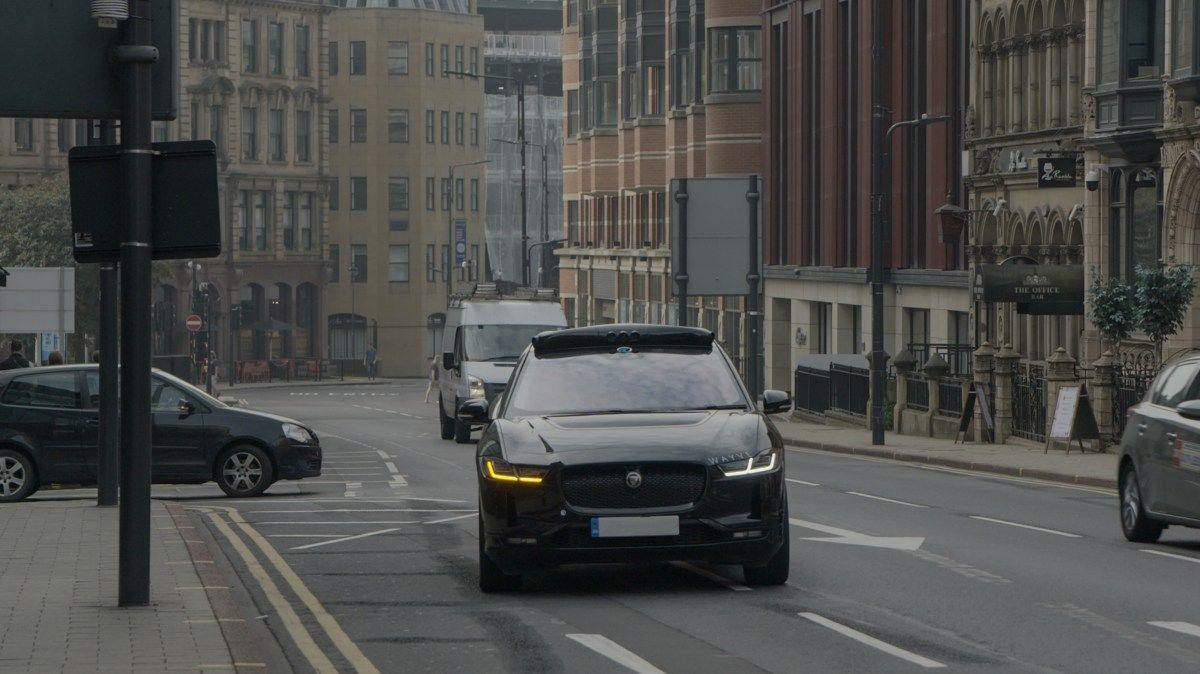
Uber has launched the UK's first robotaxi service in London through a partnership with autonomous driving company Wayve. Starting with 15 Ford Mustang Mach-E vehicles equipped with Wayve's AI Driver, riders can now hail self-driving taxis via the Uber app, though safety drivers remain behind the wheel during this initial pilot phase.

Uber has officially launched the UK's first robotaxi service in London, partnering with British autonomous vehicle start-up Wayve to bring self-driving taxis to one of the world's most challenging urban environments
1
3
. Starting today, London riders requesting UberX, Uber Comfort, or Uber Electric rides may be matched with a Ford Mustang Mach-E equipped with Wayve's AI Driver technology at no additional cost2
. The launch marks a significant milestone for autonomous driving in Europe, though the service begins with just 15 vehicles and requires a safety driver behind the wheel during this initial phase4
.The autonomous vehicle pilot program arrives as Uber cuts approximately 3,300 jobs—about 10% of its workforce—to reallocate resources toward ride-hailing, delivery, and robotaxi operations
3
. CEO Dara Khosrowshahi described the restructuring as "simplifying team structures" while the company commits $10 billion to its autonomous vehicle expansion, targeting 15 cities globally by year's end2
.Unlike traditional autonomous driving systems that rely on high-definition maps and pre-programmed rules, Wayve employs foundational AI models that learn from real-world environments
1
. The Ford Mustang Mach-E vehicles are outfitted with cameras and radar providing full 360-degree visibility, allowing Wayve's AI Driver to navigate London's notoriously difficult streets1
. The technology uses machine learning to make real-time decisions rather than relying on remote teleoperators, enabling it to "adapt to new roads, vehicles, weather conditions and cities with unprecedented speed and efficiency"1
.Wayve's latest AV 2.0 generation technology analyzes data gathered from sensors mounted on the vehicle's roof and elsewhere, making decisions on the spot based on current conditions rather than following pre-programmed routes
5
. Alex Kendall, CEO and co-founder of Wayve, described developing the technology as "the space race for our generation," emphasizing the challenge of bringing autonomous driving to "a busy and complex city like London"4
.Approximately 140,000 Londoners have already set their trip preferences to prioritize autonomous vehicles in the Uber app
2
. Riders receive a notification when matched with an AV and can choose to accept the self-driving taxi or switch to a conventional vehicle with no penalty1
. To boost chances of matching with a Wayve vehicle, users should update their Uber app, navigate to Account > Settings > Ride Preferences, and enable AV preferences5
.When a robotaxi arrives, riders follow in-app instructions to unlock the vehicle and initiate the trip either through the app or via a screen inside the car
2
. During this safety testing period, a TfL-certified taxi driver remains in the driver's seat, ready to intervene if necessary4
. In one test ride with a BBC journalist, the safety driver did take control when the back doors of a parked van appeared to swing open, causing the car to brake sharply4
. Wayve later stated they were confident their AI system would have handled the situation, though the driver's precautionary intervention illustrated the careful approach being taken4
.London's dense maze of narrow, one-way streets, roundabouts, restricted bus lanes, and assertive pedestrians creates one of the world's most demanding environments for autonomous driving
3
. The city's medieval layout differs dramatically from the orderly grid systems found in many modern cities where robotaxis already operate, such as San Francisco, Beijing, and Abu Dhabi3
. The failure rate for a driver's license test in London exceeds 50%3
.The service area covers most of Greater London, stretching to Bexley in the east, Barnet in the north, and just shy of Rickmansworth in the northwest, though airports are excluded
5
. Wayve will manage the fleet initially, while Otto Car—which provides private car rental services—oversees the trained onboard safety drivers1
. Uber will eventually assume day-to-day fleet management alongside Otto Car, operating a London depot serving as a hub for vehicle maintenance, servicing, and charging, with additional charging pitstops throughout the operating area1
.Related Stories
While the industry anticipated fully driverless cars for hire in London by the end of 2026, this timeline now appears increasingly unlikely
4
. Kendall declined to estimate when British regulators would authorize wider deployment, though analysts suggest it may not occur until 2027 or 20283
. The Department for Transport (DfT) stated it's working toward a regulatory framework for self-driving cars to be on roads in 2027 but didn't provide a specific date4
. Christina Calderator, director of transport strategy and policy at Transport for London (TfL), emphasized they're "taking time to get it right" with this new technology4
.London has more than 120,000 taxi and private for-hire drivers, raising concerns about potential job disruption from large-scale automation
3
. David McMullen, senior organizer for the trade union GMB, called on TfL and the government to develop a plan that "protects drivers" before moving to driverless services4
. Phil Farrelly, a London black cab driver who must pass the grueling "Knowledge" test covering more than 100 square miles of city streets, expressed skepticism after witnessing two autonomous vehicles unable to navigate past each other on a one-lane road near Tower Bridge until safety drivers intervened3
.London is emerging as a major battleground for autonomous vehicles, pitting American, European, and Chinese technology against one another
3
. Waymo, the service operated by Alphabet, is testing its vehicles in London without passengers and may launch public rides in the city this year, pending regulatory approval1
4
. Baidu, the Chinese technology giant, has similar early tests underway with Freenow, a European division of Lyft3
.Uber beat Waymo to become the first to launch robotaxi services in Europe with rides in Zagreb, Croatia, last month
2
. The company plans to expand rides to other vehicles equipped with Wayve's driverless tech, including the Nissan Leaf in Tokyo later this year1
. Meanwhile, Tesla is expected to unveil more details about its Cybercab—a smaller coupe with two butterfly doors, two seats, and no steering wheel or pedals that charges via induction2
. Sarfraz Maredia, Uber's head of autonomous mobility, emphasized that the plan is to phase in autonomous vehicles over several years while maintaining human drivers on the platform long-term, as "the market's growing"4
.Summarized by
Navi
10 Jun 2025•Technology

05 Aug 2026•Technology

08 Jun 2026•Technology

1
Policy and Regulation

2
Technology

3
Technology