6 Sources
[1]
Robotaxis granted licence to operate in London
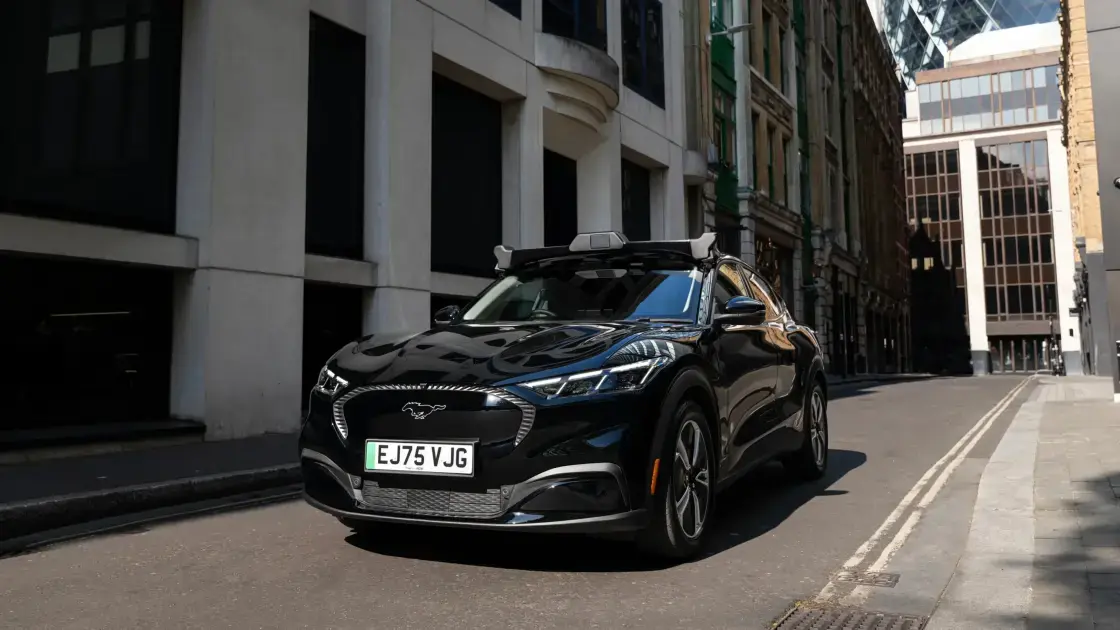
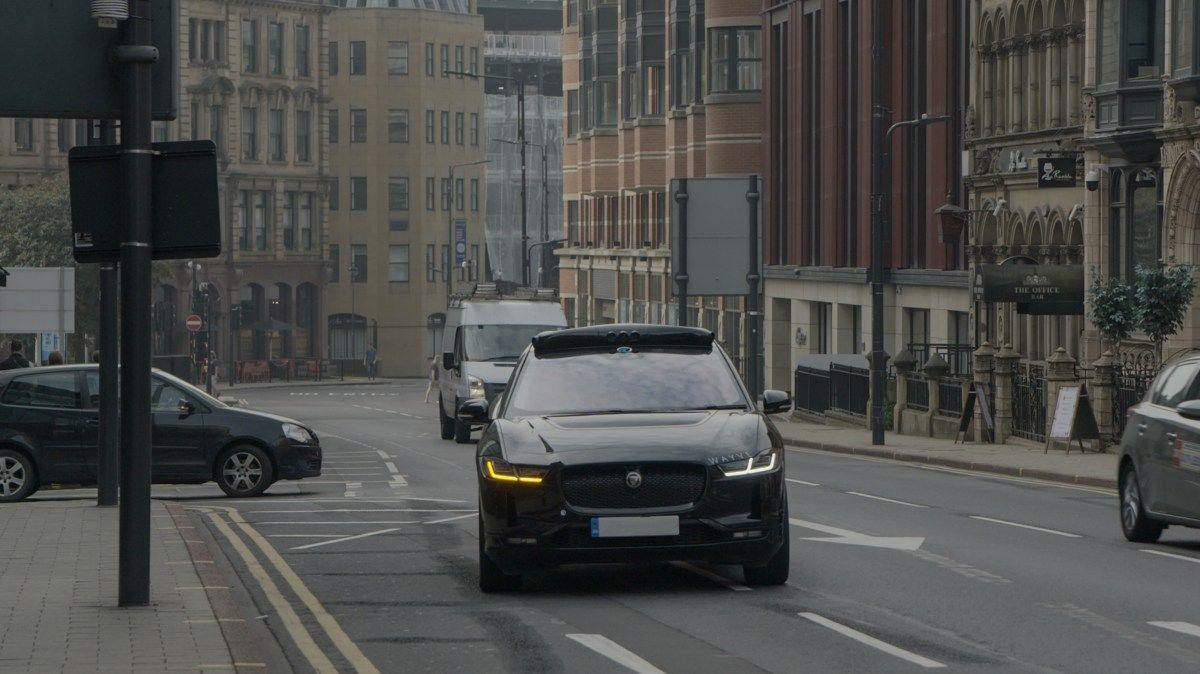
Self-driving taxis have moved a step closer after Transport for London (TfL) granted private hire licences to a fleet of autonomous vehicles - on the condition that a human driver is present. Uber said inspectors had confirmed that vehicles using technology by British firm Wayve met all of TfL's policy and safety standards. Under the terms of the PHV licence, a qualified driver must be present and remain responsible for the car. Journeys could begin later this year. A TfL spokesperson said safety was its "top priority" and any new vehicle licensed to carry passengers in London must align with its target of eliminating all deaths and serious injuries on London's roads by 2041. The vehicles being used - electric Ford Mustang Mach-Es - have been modified with camera pods on the roof and mirrors as well as small radar units. The licensing of the vehicles completes the "triple-lock" requirement for private hire trips, where the operator, driver and vehicle must all hold licences with the same licensing authority. For the vehicles to be used without a human driver, a separate approval would be needed from the Driver and Vehicle Standards Agency. Uber said some of the 100,000 people who signed up to express interest in experiencing robotaxis would be offered rides in the vehicles "later this summer", ahead of a full public launch. You can see how I found getting driven in one of Wayve's AI car - it's an incredibly discombobulating experience. TfL says the drivers in the robotaxis will still be in charge and have to take full responsibility if they take fare-paying passengers and pass all the usual checks but minicab unions will not like it and fear it is the start of many job losses. The Licensed Taxi Drivers' Association has been approached for comment. Wayve vice president for global affairs and assurance, Sarah Gates, said the licence was an "important step". "The responsible deployment of these vehicles will bring us safer, cleaner and quieter streets, and we're proud to continue working alongside regulators, communities and the public as we take the next steps towards making autonomous rides a reality in the capital," she added. Uber called it a key milestone. Global head of autonomous mobility operations Annie Duvnjak said: "Our interest list has seen an incredible response from Londoners who are excited to experience Wayve's British-built autonomous driving technology." Wayve was founded in 2017 by two University of Cambridge PhD students. London will be the first city in the world to use its technology for commercial journeys. Wayve is also working with car manufacturers such as Nissan and Stellantis to deploy its systems in private vehicles. Listen to the best of BBC Radio London on Sounds and follow BBC London on Facebook, X and Instagram. Send your story ideas to [email protected]
[2]
'Leicester Square, please guv': Self-driving taxis cleared for London streets 'later this summer'
Wayve Uber wins first minicab licence for autonomous cabs from TfL but vehicles will have a safety driver (at first) The taxi app company Uber and the autonomous technology developer Wayve have been granted the first minicab licences in London, allowing them to offer self-driving taxi rides to paying customers - but with a human safety driver in place, for now. The companies said they would start trips in the UK "later this summer" before the full public launch. The San Francisco-headquartered Uber and London-based Wayve are racing against the Google-owned Waymo and its Chinese equivalent Baidu's Apollo Go to launch self-driving taxi services in London. Their progress is being watched closely because the British capital will be one of the first cities in the world to have American and Chinese tech firms operating on the same roads. Uber and Wayve said more than 100,000 Londoners were on their waiting list for the self-driving taxis. Transport for London (TfL), the capital's licensing authority, granted 15 private hire vehicle licences to Ford Mustang Mach-E vehicles equipped with Wayve's artificial intelligence driving software, as well as surround cameras and radar. The companies said TfL had confirmed they reached the required safety standards. A TfL-licensed private hire driver will sit in the driver's seat during trips to intervene if necessary, although the software is expected to control the car. The next step, of operating the taxis without a driver, will require Uber and Wayve to seek approval via a new process, known as an automated passenger services permit, with the government's Driver and Vehicle Standards Agency. TfL said it would monitor the use of the vehicles, and was ready to intervene if passenger safety was compromised. A TfL spokesperson said: "Safety is our top priority. Any new vehicle licensed to carry passengers on London's roads must align with our Vision Zero goal of eliminating all deaths and serious injuries from collisions on London's streets by 2041." Wayve, which was co-founded by the New Zealand-born Alex Kendall, has been testing its tech in London since 2018 with safety drivers. In previous demonstrations to the Guardian the car has navigated most of the obstacles of north London's busy roads, although the safety driver was forced to intervene at one point. Sarah Gates, Wayve's vice-president for global affairs and assurance, said: "This licence is an important step towards giving Londoners the chance to experience autonomous driving technology. "The responsible deployment of these vehicles will bring us safer, cleaner and quieter streets, and we're proud to continue working alongside regulators, communities and the public as we take the next steps towards making autonomous rides a reality in the capital." Driverless taxi services are already operating in several cities around the world, although mainly in the US and China, where most of the software developers are based. However, US companies are essentially blocked from China, and vice versa, meaning they have not had to compete directly. Uber abandoned its own efforts to develop self-driving technology in 2020, but it is working with several partners around the world who are in turn using different systems. That includes the Chinese company WeRide, which is operating driverless taxis in Abu Dhabi, UAE. Wayve is also working with the Japanese manufacturer Nissan on integrating its tech in private cars. Uber's global head of autonomous mobility operations, Annie Duvnjak, said: "This licence is a key milestone in bringing autonomous rides to London on Uber. "Our interest list has seen an incredible response from Londoners who are excited to experience Wayve's British-built autonomous driving technology." The news came as Uber reported better than expected second-quarter gross bookings of $58.02bn (£43bn), but said earnings for the next quarter would fall below Wall Street forecasts. Uber said earnings per share would come in between 84 cents and 88 cents, compared with analysts' expectations of 89 cents, with foreign exchange costs trimming booking growth. The company also outlined plans to spend more than $10bn on autonomous vehicles over the coming years, although it did not provide a specific timeline.
[3]
Uber and Wayve win London approval for self-driving rides
Sarah Gates, Wayve's VP of global affairs and assurance, said in a statement that the approval moves the company closer to "safer, cleaner and quieter streets" and reflects continued collaboration with regulators and communities. Wayve, founded in 2017, has been testing its autonomous driving technology on London roads since 2018 and says its system has demonstrated adaptability across more than 500 cities worldwide, according to the company. Unlike some autonomous vehicle systems that rely on high-definition maps or fixed geographic zones, Wayve's approach uses AI that learns from experience to adapt to new environments, the company said.
[4]
Why Is Uber Technologies Stock Gaining Wednesday? - Uber Technologies (NYSE:UBER)
Investors are also awaiting Uber's second-quarter earnings report later Wednesday, which could provide another catalyst for the stock. Transport for London Approves Wayve Vehicles Transport for London (TfL) granted Private Hire Vehicle licenses to several Wayve electric vehicles, clearing a key regulatory hurdle for the planned rollout. The Ford Mustang Mach-E vehicles use the Wayve AI Driver, cameras and radar. TfL confirmed they meet its policy and safety standards. The approvals complete the requirement for the operator, driver and vehicle to hold licenses from the same authority. A trained, TfL-licensed driver will remain onboard to supervise and take control if needed. More than 100,000 Londoners joined Uber's interest list over the past eight weeks. Selected riders will receive early access later this summer before a broader public launch. Uber Expands Autonomous Push Wayve's AV2.0 system does not rely on HD maps, hand-coded rules or fixed geofenced areas. The company has tested the technology in London since 2018 and demonstrated it across more than 500 cities. Uber works with more than 30 autonomous-vehicle partners and is building a hybrid network of autonomous vehicles and human drivers. UBER Technical Analysis: Key Levels And Momentum Currently, Uber's stock is trading at $73.90, which is approximately 3.4% above its 20-day simple moving average (SMA) of $71.57. The stock is also 5.6% below its 200-day SMA of $78.35, indicating some resistance at higher levels. The Relative Strength Index (RSI) sits at 51.43, suggesting the stock is in a neutral position, neither overbought nor oversold. This indicates that while there is some upward momentum, it is not yet strong enough to suggest a significant trend reversal. * Key Resistance: $78.50 -- a nearby level where rebounds can stall. * Key Support: $69.50 -- a nearby level where buyers previously stepped in. Analyst Consensus And Recent Actions The stock carries a Buy rating with an average price forecast of $107.50. Recent analyst moves include: * Bank of America Securities: Buy (Lowers forecast to $103.00) (July 28) * TD Cowen: Buy (Maintains forecast to $118.00) (July 17) * BTIG: Buy (Maintains forecast to $100.00) (July 16) UBER ETF Exposure: Funds With The Biggest Weights Significance: Because UBER carries significant weight in these funds, any significant inflows or outflows for these ETFs will likely force automatic buying or selling of the stock. UBER Stock Price Activity: Uber Technologies shares were up 2.93% at $74.10 during premarket trading on Wednesday, according to Benzinga Pro data. Image via Shutterstock Market News and Data brought to you by Benzinga APIs To add Benzinga News as your preferred source on Google, click here.
[5]
Uber stock rises as London approves autonomous vehicle licenses By Investing.com
Investing.com -- Uber Technologies (NYSE:UBER) shares climbed 3% in premarket trading Wednesday after Transport for London granted private hire vehicle licenses to Wayve autonomous vehicles. The regulatory approval marks a development for autonomous vehicle operations in London's private hire market. Transport for London's decision allows Wayve to operate self-driving vehicles with the appropriate licensing in the city. Uber has been expanding its autonomous vehicle partnerships as the ride-hailing industry moves toward self-driving technology. The London licensing approval for Wayve's autonomous vehicles comes as regulators in major cities evaluate frameworks for self-driving car operations. The stock movement reflects market response to the regulatory development in one of Uber's key international markets. This article was generated with the support of AI and reviewed by an editor. For more information see our T&C.
[6]
Uber Technologies, Inc. and Wayve Move A Step Closer to Autonomous Rides in London
Uber Technologies, Inc. and Wayve?s partnership to bring autonomous rides to London has taken an important step forward after Transport for London granted Private Hire Vehicle licences to a number of Wayve?s autonomous all-electric Ford Mustang Mach-E vehicles. The cars, which are equipped with the Wayve AI Driver and surround cameras and radar, were inspected to confirm that these vehicles meet all of Transport for London?s policy and safety standards. The licensing of the vehicles completes the ?triple-lock? requirement for Private Hire trips, where the operator, driver and vehicle must all hold licences with the same licensing authority. Trips will take place under the Government?s AV Trialling Code of Practice and Uber Technologies, Inc.?s Transport for London Private Hire Operator licence. Wayve?s vehicles are designed to operate autonomously, and will do the driving, with a trained and Transport for London licensed private hire driver onboard to oversee the trip and provide support or take over driving if needed. There has been strong interest from Londoners in the chance to take a trip in an autonomous Wayve on Uber Technologies, Inc. In the last eight weeks alone, more than 100,000 Londoners have signed up to join Uber Technologies, Inc.?s Interest List, giving them a chance to be matched with a Wayve autonomous ride at launch. To help fine-tune the experience and inform the future of transport in London, later this summer, select riders who joined the Interest List will get access to Wayve rides to give feedback on the experience, as the companies prepare for the full public launch. Wayve?s AI-first approach, known as AV2.0, moves beyond the constraints of traditional AV systems that rely on HD maps, hand-coded rules, or geofenced domains. Instead, Wayve?s AI Driver learns from experience like a human driver, enabling it to adapt to new roads, vehicles, weather conditions, and cities with unprecedented speed and efficiency. Built and trained on UK roads, Wayve?s autonomous driving technology has been testing in London?s challenging roads since 2018, and has since demonstrated its adaptability across more than 500 cities worldwide. Uber Technologies, Inc. is focused on making electric, shared, and autonomous transportation a reality. With more than 30 AV partners and millions of autonomous trips completed each year, the company is building the industry?s first hybrid network?where autonomous vehicles and drivers work side by side to make transportation more affordable, sustainable, and accessible for all.
Share
Copy Link
Transport for London granted private hire licenses to Wayve's autonomous vehicles, marking a milestone for self-driving taxis in the British capital. Over 100,000 Londoners have joined the waitlist as Uber and Wayve prepare to launch robotaxis later this summer with human safety drivers present.
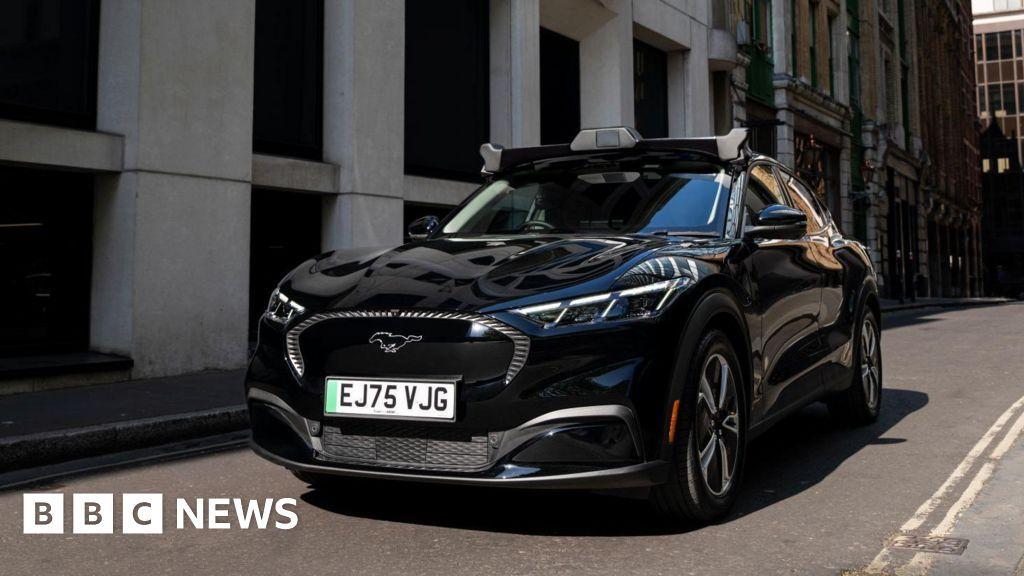
Transport for London has granted private hire licenses to 15 autonomous vehicles developed by British AI firm Wayve in partnership with Uber, marking a pivotal moment for self-driving taxis in the UK capital
1
2
. TfL inspectors confirmed that the electric Ford Mustang Mach-E vehicles equipped with Wayve's AI-driven autonomous vehicles technology met all policy and safety standards required for operation1
. The vehicles feature camera pods mounted on the roof and mirrors, along with small radar units that enable the AI-powered AV2.0 system to navigate London's complex road network1
4
.The regulatory approval completes what's known as the "triple-lock" requirement for private hire trips, where the operator, driver, and vehicle must all hold licenses with the same licensing authority
1
. However, a human safety driver must remain present and responsible for the vehicle during all journeys under current terms1
2
. More than 100,000 Londoners have already signed up to express interest in experiencing robotaxis in London, with selected riders set to receive early access later this summer before a full public launch1
2
.A TfL spokesperson emphasized that safety remains the organization's top priority, stating that any new vehicle licensed to carry passengers in London must align with its Vision Zero goal of eliminating all road deaths and serious injuries from collisions on London's streets by 2041
1
2
. TfL will actively monitor the use of these vehicles and stands ready to intervene if passenger safety is compromised at any point2
. Sarah Gates, Wayve's vice-president for global affairs and assurance, described the private hire licenses as an important step, adding that "the responsible deployment of these vehicles will bring us safer, cleaner and quieter streets"1
2
.For autonomous vehicle deployment to proceed without a human driver, Wayve and Uber will need separate approval from the Driver and Vehicle Standards Agency through a new process called an automated passenger services permit
2
. Minicab unions are expected to express concerns about potential job losses, though the Licensed Taxi Drivers' Association has not yet commented publicly1
.London will become the first city in the world to use Wayve's technology for commercial journeys, positioning the British capital at the center of a global race in autonomous vehicle deployment
1
. Uber and Wayve are competing against formidable rivals including Google-owned Waymo and Chinese tech giant Baidu Apollo Go to establish self-driving taxi services in London2
. The British capital represents one of the first cities where American and Chinese tech firms will operate on the same roads, making it a crucial testing ground for autonomous technology2
.Wayve, founded in 2017 by University of Cambridge PhD students including New Zealand-born Alex Kendall, has been testing its technology in London since 2018 with human safety drivers present
1
2
. Unlike competing systems that rely on high-definition maps or fixed geographic zones, Wayve's approach uses AI that learns from experience to adapt to new environments3
. The company claims its system has demonstrated adaptability across more than 500 cities worldwide3
4
.Related Stories
Uber Technologies stock climbed 3% in premarket trading following the announcement, with shares reaching $74.10 as investor optimism grew around the company's autonomous vehicle strategy
4
5
. The stock was trading at $73.90, approximately 3.4% above its 20-day simple moving average of $71.57, though still 5.6% below its 200-day simple moving average of $78.354
. Analysts maintain a Buy rating with an average price forecast of $107.504
.Uber abandoned its own efforts to develop self-driving technology in 2020 but has since been building a hybrid network by partnering with more than 30 autonomous-vehicle partners globally
2
4
. The company outlined plans to spend more than $10bn on autonomous vehicles over the coming years, though it did not provide a specific timeline2
. Annie Duvnjak, Uber's global head of autonomous mobility operations, called the license "a key milestone in bringing autonomous rides to London on Uber"1
2
. Wayve is also collaborating with car manufacturers including Nissan and Stellantis to deploy its systems in private vehicles, expanding beyond the robotaxis model1
.Summarized by
Navi
[2]
08 Jun 2026•Technology

10 Jun 2025•Technology

22 Dec 2025•Technology