UCLA Study Maps Brain Hub Controlling Stress and Social Behavior in Mice, Offering Insights for Human Psychiatric Conditions


3 Sources
[1]
Brain Map Reveals How Stress and Social Control Interconnect - Neuroscience News
Summary: A new study has identified a key brain hub in the medial prefrontal cortex that regulates stress responses and social behavior, offering critical insights into psychiatric conditions. Using advanced imaging and AI mapping in mice, scientists charted how these regions integrate sensory and
[2]
Scientists uncover brain network controlling stress and social behavior in mice
A UCLA study has mapped a critical brain hub in mice that regulates stress responses and social behavior, shedding new light on the neural roots of psychiatric conditions such as post-traumatic stress disorder, depression and anxiety. The study, published in the journal Nature, reveals how a
[3]
UCLA Scientists Uncover Brain Network Controlling Stress and Social Behavior in Mice | Newswise
Newswise -- A UCLA study has mapped a critical brain hub in mice that regulates stress responses and social behavior, shedding new light on the neural roots of psychiatric conditions such as post-traumatic stress disorder, depression and anxiety. The study, published in the journal Nature, reveals
Share
Copy Link
UCLA researchers have identified a key brain region in mice that regulates stress responses and social behavior, providing new insights into psychiatric disorders and potential targeted therapies.
Groundbreaking Brain Mapping Study
A team of researchers at UCLA has made a significant breakthrough in understanding the neural mechanisms behind stress responses and social behavior. The study, published in the journal Nature, has mapped a critical brain hub in mice that regulates these crucial functions, offering new insights into psychiatric conditions such as post-traumatic stress disorder (PTSD), depression, and anxiety
1
.
Source: Newswise
The Medial Prefrontal Cortex: A Key Control Center
The research focused on a region of the medial prefrontal cortex (MPF or mPFC), which has long been associated with personality and emotional regulation. Dr. Hong Wei Dong, the lead author and professor of neurobiology at UCLA Health, described the work as providing "a wiring diagram of one of the brain's most mysterious control centers"
2
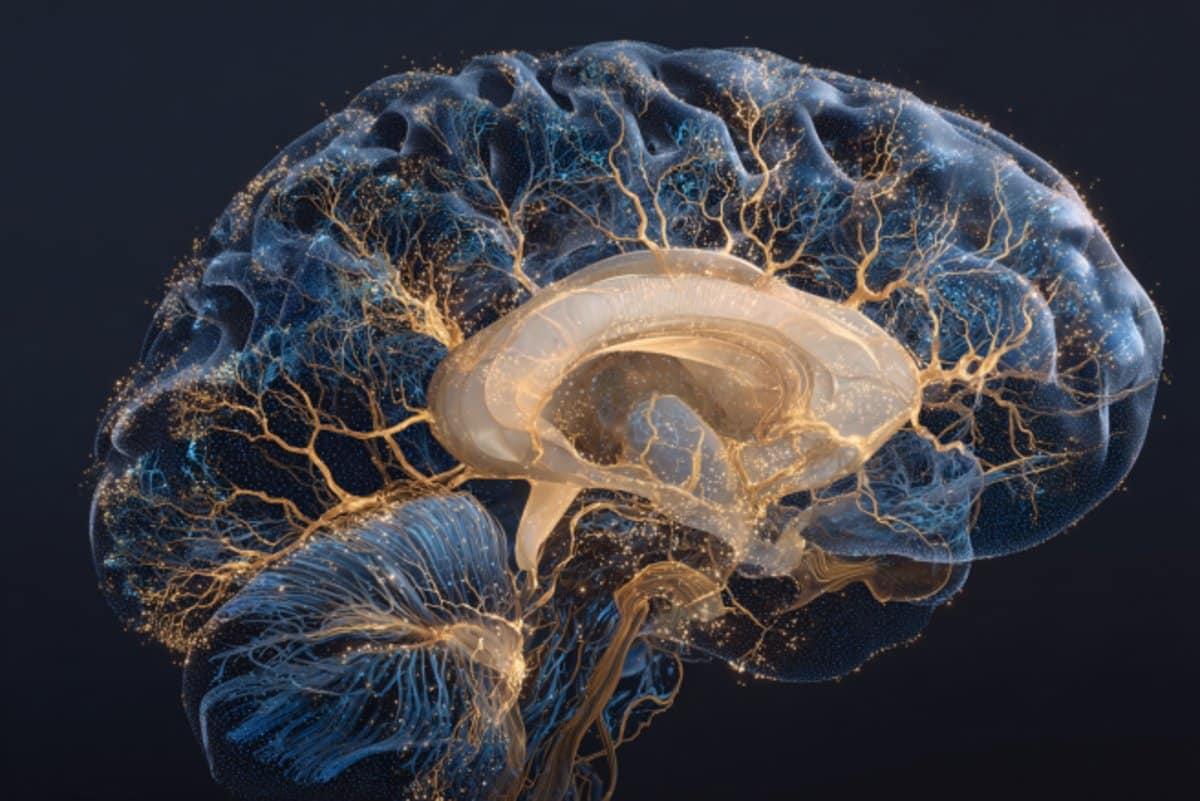
.The study revealed how this region integrates information from across the brain to coordinate physiological and behavioral responses. Specifically, the researchers identified the dorsal peduncular area (DP) and infralimbic area (ILA) as crucial hubs that integrate sensory and internal body signals to orchestrate emotional and physiological responses
3
.Advanced Techniques Unveil Neural Circuitry
Source: Neuroscience News
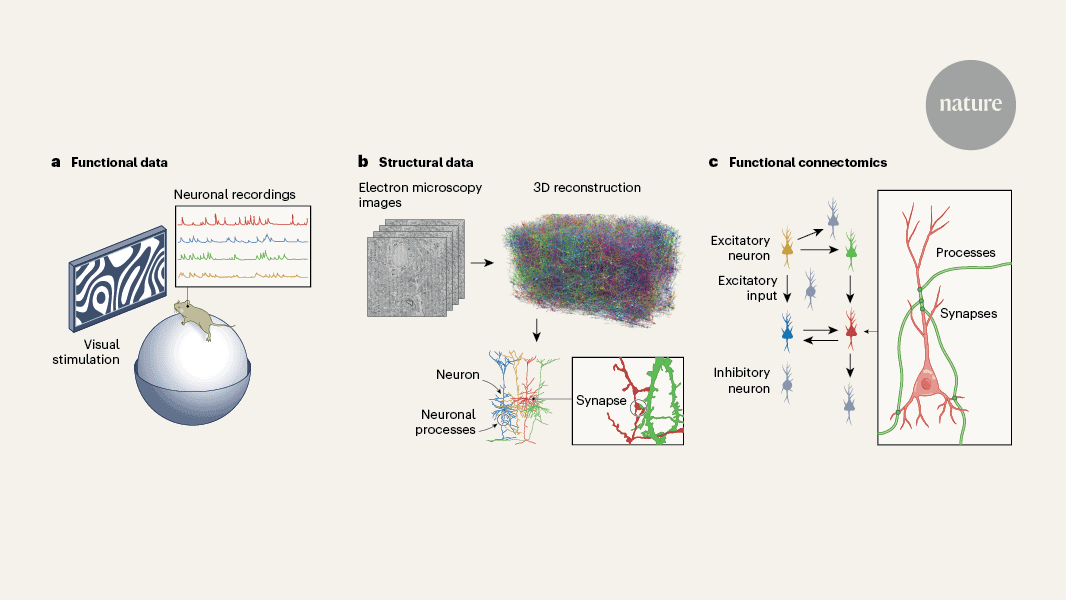
To achieve these results, Dong's team employed cutting-edge techniques:
- Advanced genetic labeling
- 3D brain imaging
- AI-driven circuit mapping
These methods allowed the researchers to chart the intricate wiring of the medial prefrontal cortex in mice with unprecedented detail
1
.Related Stories


Historical Context and Future Implications
The study draws a connection to the famous case of Phineas Gage, a 19th-century railroad worker whose personality dramatically changed after a frontal lobe injury. This case has long symbolized the mystery of how the brain regulates emotion and behavior
2
.While the prefrontal cortex's role in personality, social behavior, and emotional control has been known, the detailed neural circuits and mechanisms have remained elusive until now. The new findings offer a cellular-level blueprint of circuits that are conserved in the human vmPFC, providing a foundation for developing targeted therapies for stress-related and social dysfunction disorders
3
.Potential for New Treatments

Source: Medical Xpress
Dr. Dong emphasized the broad implications of this research for public health. By translating this foundational knowledge into actionable insights, the findings could drive the next generation of treatments for emotional and stress-related disorders, offering new hope for millions affected by neuropsychiatric conditions worldwide
1
.The study's detailed mapping of neural circuits opens the door to developing better diagnostic tools and targeted therapies for psychiatric and neurological disorders. As our understanding of these complex brain networks grows, so does the potential for more effective and personalized treatments for conditions that affect millions of people globally.
References
Summarized by

Navi
[1]
Related Stories
Recent Highlights



Recent Highlights
Today's Top Stories



Don’t drown in AI news. We cut through the noise - filtering, ranking and summarizing the most important AI news, breakthroughs and research daily. Follow topics that matter to you and stay ahead.


