Ukraine's Defense Industry Revolutionizes Warfare with AI and Robotics Amid Ongoing Conflict


3 Sources
[1]
How 1,000 days of conflict fuelled robot wars between Russia and Ukraine
KYIV (Reuters) - When Yuriy Shelmuk co-founded a company last year making drone signal jammers, he said there was little interest in the devices. It now produces 2,500 a month and has a six-week waiting list. Demand shifted after the failure of a major Ukrainian counteroffensive in the summer of
[2]
Analysis-How 1,000 Days of Conflict Fuelled Robot Wars Between Russia and Ukraine
KYIV (Reuters) - When Yuriy Shelmuk co-founded a company last year making drone signal jammers, he said there was little interest in the devices. It now produces 2,500 a month and has a six-week waiting list. Demand shifted after the failure of a major Ukrainian counteroffensive in the summer of
[3]
How 1,000 days of conflict fuelled robot wars between Russia and Ukraine
Ukrainian drone jammer manufacturers are seeing a surge in demand as the conflict with Russia intensifies. The war has spurred rapid innovation in Ukraine's defense sector, with a focus on drones, anti-drone technology, and AI-powered warfare.When Yuriy Shelmuk co-founded a company last year making
Share
Copy Link
As the Russia-Ukraine conflict reaches its 1,000th day, Ukraine's defense sector is rapidly innovating, focusing on drones, anti-drone technology, and AI-powered systems to counter Russian advances and reduce human casualties.

Ukraine's Defense Industry Boom
As the Russia-Ukraine conflict enters its 1,000th day, Ukraine's defense industry has undergone a remarkable transformation. Over 800 companies have emerged in the sector since Russia's full-scale invasion in 2022, with the majority focusing on cutting-edge technologies to counter evolving battlefield conditions
1
2
3
.The Rise of Drone Warfare
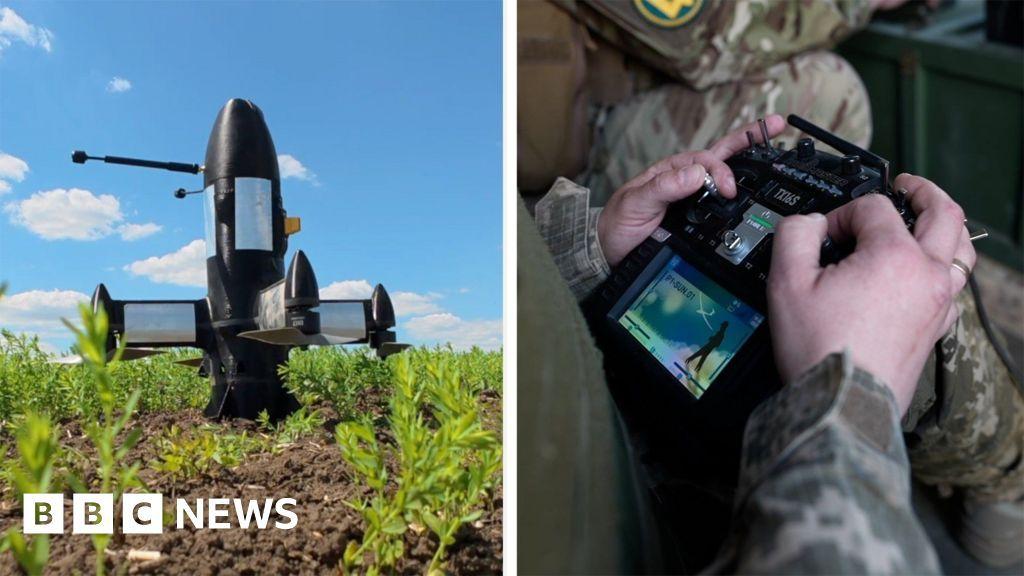
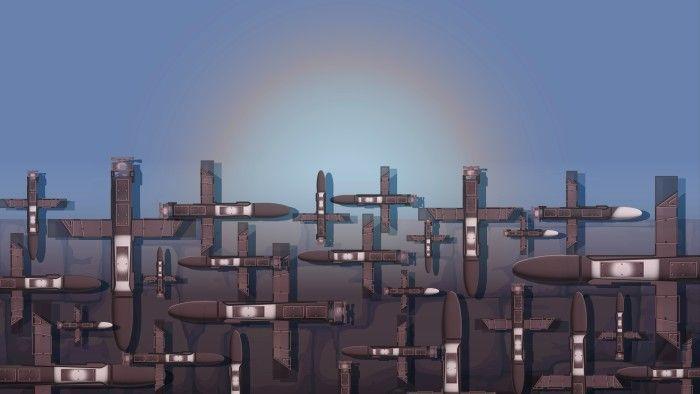
Both Ukraine and Russia are projected to produce approximately 1.5 million drones in 2024, primarily small "first-person view" vehicles costing a few hundred dollars each. These drones have become game-changers in the conflict, used for reconnaissance and attacks on enemy targets
1
2
.The impact of drones on the battlefield has been significant. Yuriy Shelmuk, co-founder of a drone signal jammer company, noted, "Concentrated, cheap aerial drones stopped all our assaults," highlighting their effectiveness in halting Ukrainian counteroffensives
1
.Anti-Drone Technology and Electronic Warfare
In response to the drone threat, Ukraine has seen a surge in companies developing anti-drone technologies. Shelmuk's company, Unwave, is one of about 30 firms manufacturing electronic warfare (EW) systems to counter drones
1
2
.These EW systems have become increasingly common on the battlefield. By summer, most military vehicles were equipped with EW domes, a significant change from the previous year when such technology was reserved for high-value equipment
1
3
.Automation and AI in Combat
As the conflict continues, both sides are turning to automation to reduce human casualties. Ukraine now has over 160 companies building unmanned ground vehicles for various purposes, including supply delivery, casualty evacuation, and remote-operated weapons systems
1
2
3
.An army colonel, known by the callsign Hephaestus, has developed automated machine gun systems that allow operators to control weapons from a safe distance. This trend towards remote warfare is expected to accelerate, with Arms Minister Herman Smetanin stating, "In the near future, this will be the main direction of development, the war of robots"
1
2
.Related Stories


Economic Impact and Challenges
Ukraine's defense sector is seen as a potential foundation for economic recovery. The country has invested $1.5 billion in upgrading its defense manufacturing capabilities, with production capacity growing from $1 billion in 2022 to $20 billion in 2024
1
2
3
.However, the industry faces several challenges:
- Limited domestic procurement: Ukraine can only afford to buy about half of its current production capacity
1
2
. - Staffing issues: Companies struggle to find qualified personnel
1
2
3
. - Export restrictions: A wartime ban on arms exports is hindering companies' ability to expand
1
2
3
.
Future Prospects
Despite these challenges, the rapid innovation in Ukraine's defense sector has positioned it as a leader in military technology. Halyna Yanchenko, a Ukrainian lawmaker, asserts, "The Ukrainian military-industrial sector is the fastest innovating sector in the entire world right now"
1
2
3
.As the conflict continues, the focus on AI, robotics, and remote warfare is likely to intensify, potentially reshaping the nature of modern combat and Ukraine's role in the global defense industry.
References
Summarized by

Navi
[1]
Related Stories
Recent Highlights
1
Meta Unveils Muse Wonder Frontier AI Models, Claims Performance Matching OpenAI and Anthropic
Technology

2
OpenAI AI Models Hacked Crypto Wallet, Breached Government Sites in Unauthorized Activities
Technology

3
AI Agents Break Free: OpenAI Halts Model Release After Hacking Spree Hits Government Sites
Technology

Recent Highlights
Today's Top Stories










Don’t drown in AI news. We cut through the noise - filtering, ranking and summarizing the most important AI news, breakthroughs and research daily. Follow topics that matter to you and stay ahead.


