UFORCE reaches $1 billion valuation as robotic warfare transforms the Russia-Ukraine war


2 Sources
[1]
The future of drones and robots in the Russia-Ukraine war and beyond
The battlefield in Ukraine could soon feature more robot than human soldiers - that is the startling claim made by a Ukrainian-British military start-up. The BBC visited UFORCE at its London premises, which are unbranded and discreet, a measure the company says is intended to protect it from
[2]
Ukraine says robots seized enemy territory for the first time. The company behind them is now worth a billion dollars.
In April, Ukrainian President Volodymyr Zelensky announced that his forces had, for the first time in the history of warfare, seized an enemy position using only unmanned systems. No infantry. No human soldiers entering the contested ground. Drones and ground robots identified the target,
Share
Copy Link
Ukrainian-British defence technology company UFORCE has achieved unicorn status with a valuation exceeding $1 billion following claims that unmanned systems seized enemy territory for the first time in warfare. The company has conducted over 150,000 combat missions since 2022, marking a significant shift in how wars are fought and raising questions about the future of autonomous weapons systems.
Unmanned Systems Seize Territory in Historic Military Operation
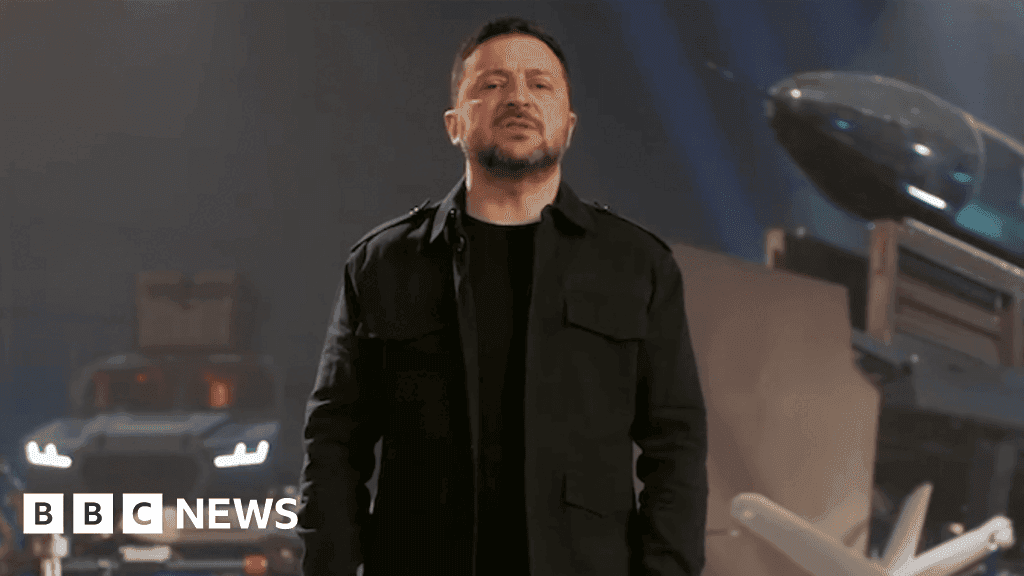
President Volodymyr Zelensky announced in April that Ukrainian forces had achieved what he described as a first in the history of warfare: the seizure of enemy territory by unmanned systems alone, with no human soldiers entering contested ground
1
. The operation, which involved drones and ground robots identifying targets, suppressing defensive fire, and capturing positions without Ukrainian casualties, represents a watershed moment in robotic warfare2
. While Ukraine's military has declined to provide specific details about the operation, the claim underscores how the Russia-Ukraine war has become a testing ground for military technology that is reshaping modern combat1
.
Source: BBC
UFORCE Achieves Unicorn Status with $1 Billion Valuation
At the center of this transformation is UFORCE, a Ukrainian-British defence technology company that has reached unicorn status with a valuation exceeding $1 billion
2
. The company, formed through the merger of nine Ukrainian defence companies, raised $50 million in March 2025 and reported 450 per cent booking growth in the same year2
. Led by Oleg Rogynskyy, former founder of People.ai, and Oleksii Honcharuk, a former prime minister of Ukraine, UFORCE employs more than 1,000 engineers, developers, and operators across six European countries. Operating from discreet London premises designed to protect against potential Russian sabotage, the company has conducted more than 150,000 successful combat missions since Russia's full-scale invasion in 20221
.Drones and Robots in War Drive Arms Race in Robotic Warfare
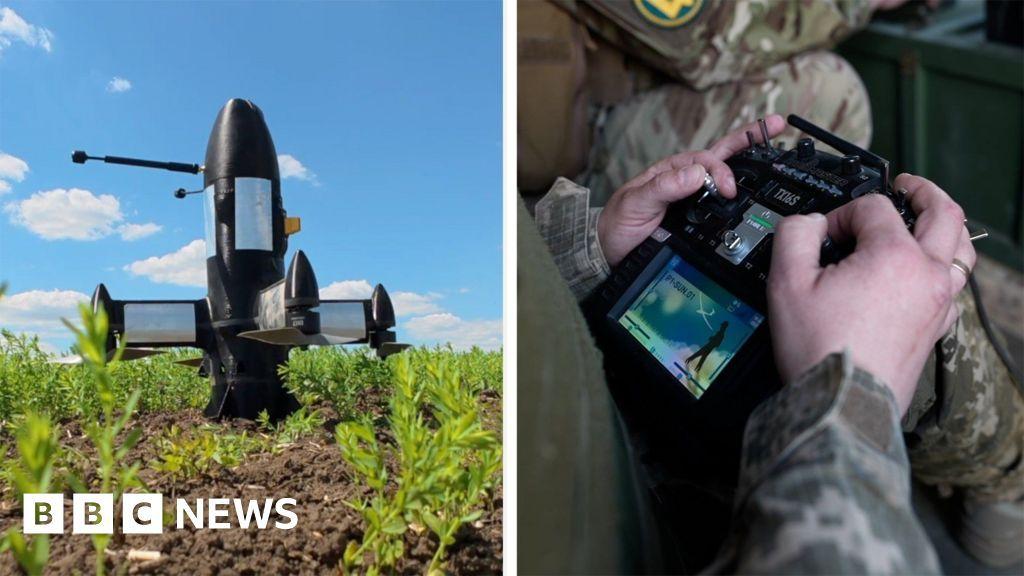
UFORCE's product portfolio spans air, sea, and land domains. Its MAGURA maritime drones have struck more than 12 Russian warships in the Black Sea, including the first recorded instance of an uncrewed surface vessel shooting down a manned helicopter and fighter jet
2
. The company's Nemesis strike drones conduct precision attacks, while its ground-based systems use software-assisted targeting to engage enemy positions2
. UFORCE also develops counter-drone technology and battlefield management software that coordinates operations across multiple unmanned platforms simultaneously2
. Russia is deploying its own robots designed to deliver explosives into Ukrainian positions, locking both sides in an arms race in robotic warfare where development cycles have compressed from years to weeks2
.Related Stories
AI in Modern Warfare and the Rise of Defence Tech Startups
While most drones remain remotely operated by humans, companies are increasingly incorporating artificial intelligence into autonomous weapons systems
1
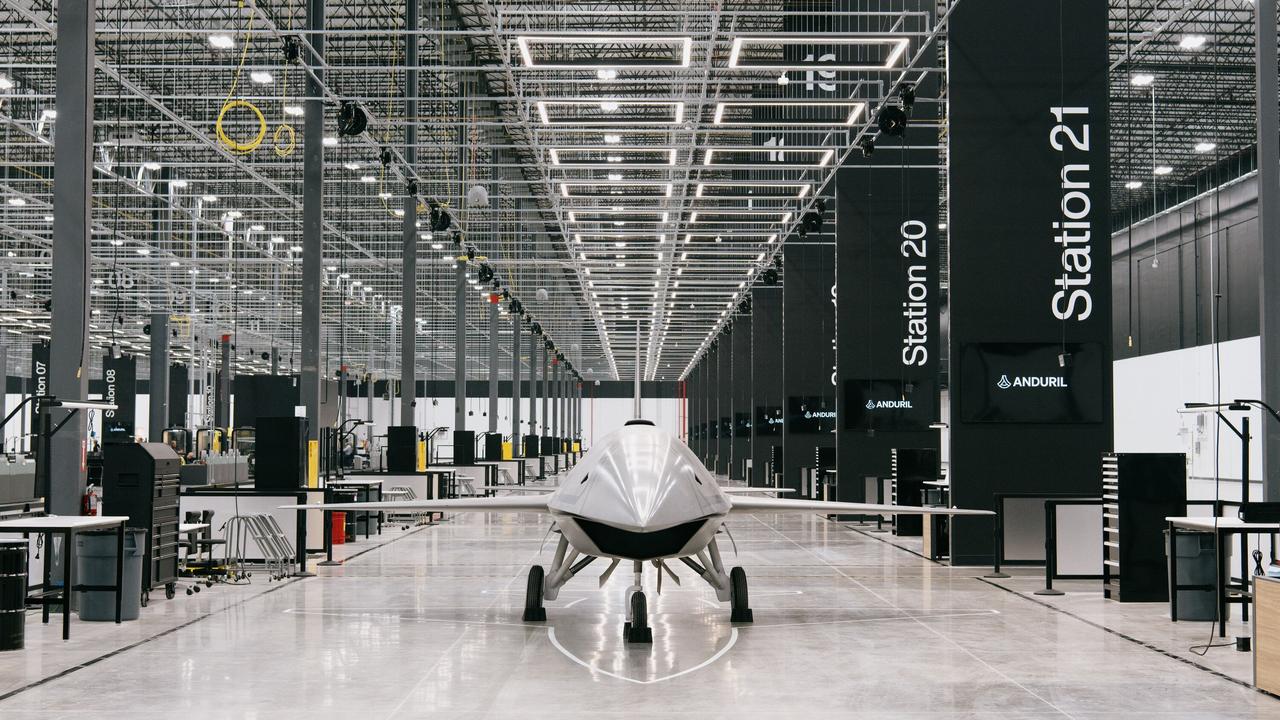
. UFORCE's land-based drones use software designed to assist with targeting, while Anduril, a US defence technology company, says some of its systems can autonomously complete the final phase of an attack1
. Anduril conducted its first test flight of a fighter jet without a pilot in February and is building Arsenal-1, a $1 billion manufacturing facility in Ohio2
. These so-called neo-prime defence companies are challenging established firms such as BAE Systems, Boeing, and Lockheed Martin1
. The broader European defence technology sector raised 2.3 billion euros in 2025, more than double the figure for 2024.Ethical Concerns and Accountability in Autonomous Operations
Rhiannon Padley, UFORCE's UK director of strategic partnerships, predicted that robots fighting robots would become more common, with unmanned systems eventually outnumbering human soldiers on the battlefield
1
. Jacob Parakilas of RAND Europe said that seeing drone combat extend to land and maritime warfare "seems extremely likely, if not inevitable"1
. However, human rights groups warn that greater autonomy in weapons systems raises serious concerns about accountability. Patrick Wilcken of Amnesty International stated that "delegating life-and-death decisions to machines poses profound ethical and human rights risks"1
. Weapons manufacturers argue that keeping a "human in the loop" addresses such concerns. Dr Rich Drake, UK general manager at Anduril Industries, noted that "computing allows us to reduce errors across what we call the kill chain"1
. Melanie Sisson, a senior fellow at the Brookings Institution, described Ukraine as "a major teacher in the future of national defence and armaments" and "an impressive case study in how necessity drives invention"1
.References
Summarized by

Navi
Related Stories
Ukraine's drone revolution: How AI and swarm tech are redefining robotic warfare against Russia
15 May 2026•Technology
Ukrainian Startups Revolutionize Warfare with Low-Cost Robots
15 Jul 2024

Ukraine tested AI-powered drones that killed without human control in battlefield milestone
13 Jun 2026•Technology

Recent Highlights



Recent Highlights
Today's Top Stories










Don’t drown in AI news. We cut through the noise - filtering, ranking and summarizing the most important AI news, breakthroughs and research daily. Follow topics that matter to you and stay ahead.


