Ursula von der Leyen Calls for Strong EU-US AI Alliance Amid Sovereignty Concerns


2 Sources
[1]
EU chief says Europe, US need to be 'strong partners in AI'
European Commission President Ursula von der Leyen urged strong partnership between Europe and the United States on artificial intelligence. This call comes after US tech giant Anthropic restricted AI models due to national security concerns. Von der Leyen emphasized the mutual benefit of safe AI
[2]
EU Chief Calls For US-Europe AI Alliance Amid Growing Sovereignty Concerns
European Commission President Ursula von der Leyen called for a strengthened transatlantic partnership on artificial intelligence during a G7 session, warning that the fast-moving technology carries both major opportunities and serious risks. G7 AI Push For Transatlantic Cooperation On Wednesday,
Share
Copy Link
European Commission President Ursula von der Leyen urged a strengthened AI partnership between Europe and the United States at a G7 session in France. The call comes after Anthropic restricted AI models over national security concerns, highlighting growing tensions around technological sovereignty and Europe's dependence on US tech firms.
European Commission Chief Advocates for Transatlantic AI Partnership
Ursula von der Leyen made a forceful case for deeper Europe and US AI collaboration during a G7 session held in the French lakeside resort of Evian on Wednesday. Speaking to tech leaders including Anthropic chief Dario Amodei, the European Commission President emphasized that "the US and EU need to be strong partners in AI," describing the technology as "the most important of our time"
1
. Her remarks come at a critical juncture as national security concerns trigger restrictions on AI model access, raising questions about Europe's technological independence and the future of transatlantic tech relations.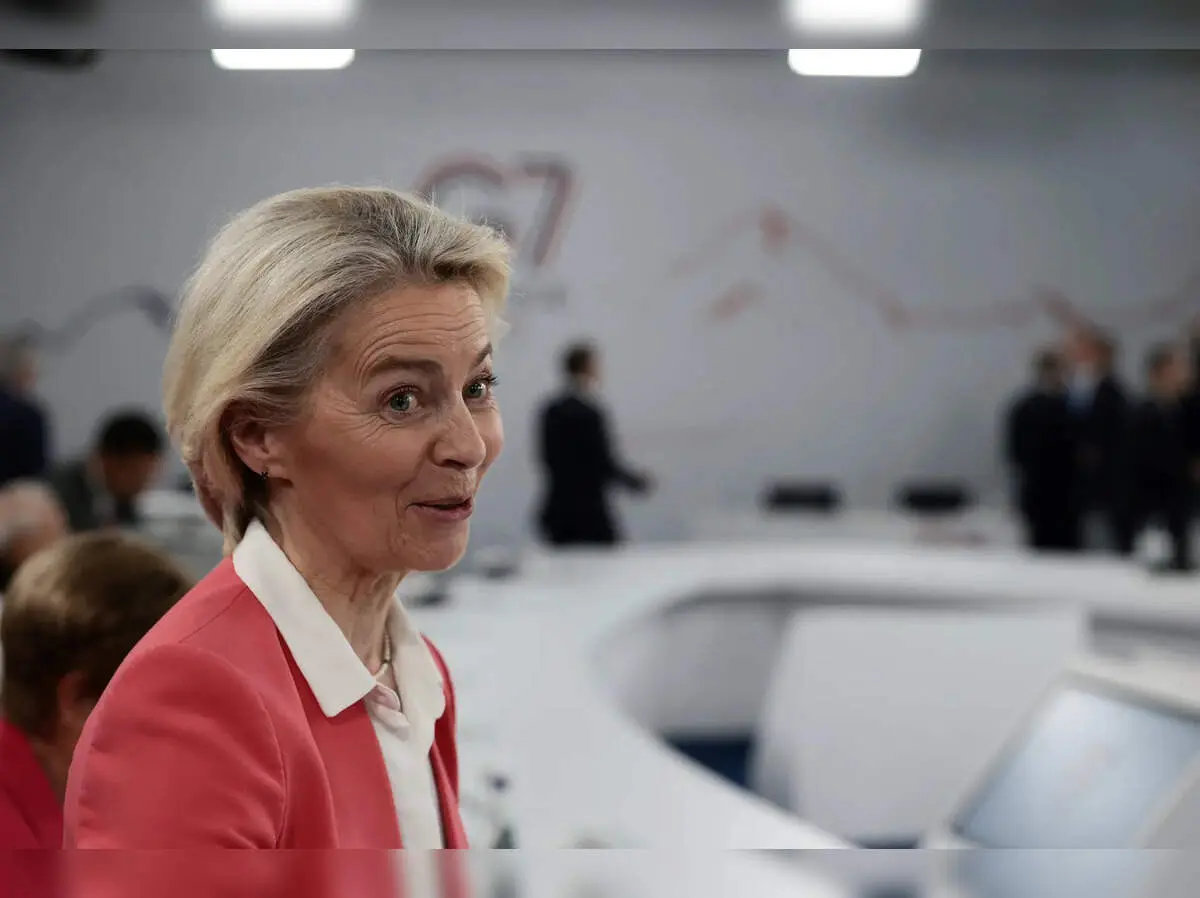
Source: ET
Von der Leyen argued that the EU-US alliance holds significant leverage in shaping AI's trajectory, noting that Europe and the US together represent roughly 70% of the global AI market
2
. "We have complementary strengths, shared security interests, and a common responsibility to lead," she stated, calling for joint investment in AI development and accelerated adoption across sectors from industry to healthcare. The European leader stressed that "it is in our mutual interest that our citizens and companies can safely use the best AI models," highlighting the importance of safe AI model usage1
.AI Sovereignty Concerns Drive European Response
The push for an AI partnership gained urgency following Anthropic's recent decision to restrict advanced AI models for users outside the United States. The European Commission responded by stating that this restriction underscored Europe's need to reduce reliance on foreign AI providers and strengthen technological sovereignty
2
. The Commission also noted that while AI systems offered substantial benefits, they raised "serious cybersecurity concerns," pointing to the dual nature of the geopolitical issue at hand.Mistral AI CEO Arthur Mensch added weight to these AI sovereignty concerns, warning that Europe had a narrow window to build an independent AI infrastructure or risk deep dependence on US tech firms
2
. Mensch explained that competition over AI dominance was being driven by control of chips, energy, and computing power, while also pointing to limitations in Europe's regulation and capital markets. JPMorgan identified Mistral AI as Europe's strongest challenger to US-led AI market dominance, projecting major growth in "sovereign AI" demand as governments and businesses seek greater control over AI systems and data.Related Stories
Strategic Implications for Global AI Development
Von der Leyen's call for partnership reflects a delicate balancing act between cooperation and autonomy. While advocating for collaboration, she also emphasized the need to "ensure that the most powerful models are trustworthy and safe," signaling Europe's determination to maintain regulatory influence
2
. The G7 setting for these discussions suggests that AI governance has become a priority agenda item among democratic nations facing shared challenges around technological advancement and security.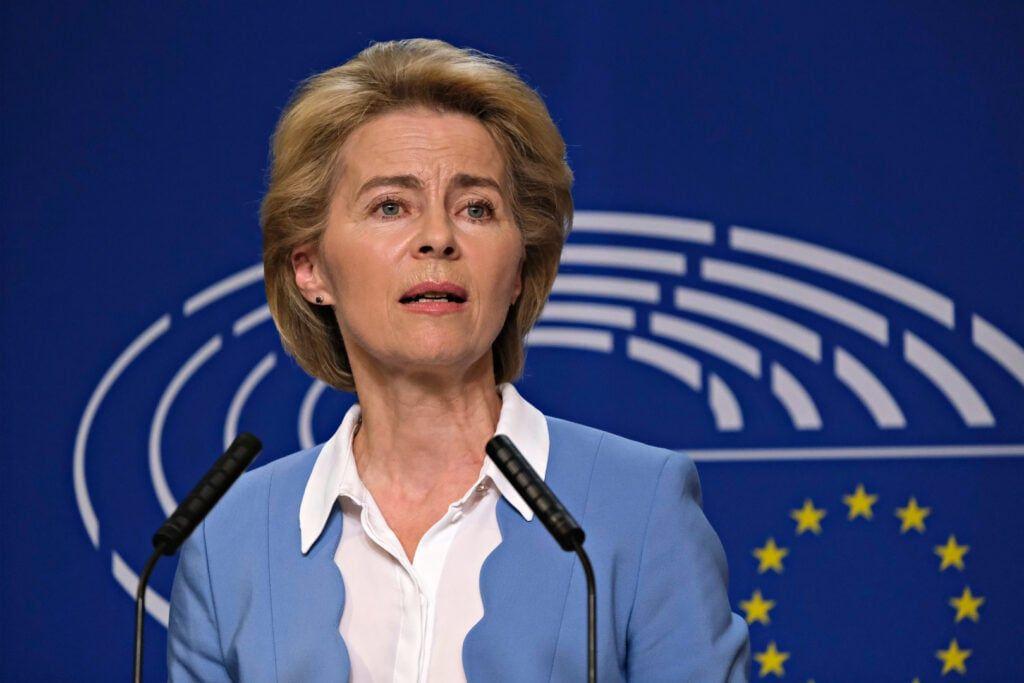
Source: Benzinga
The tension between partnership and sovereignty will likely define the next phase of AI development. As national security concerns continue to influence access to advanced models, Europe must decide whether to pursue closer integration with US tech ecosystems or accelerate investments in homegrown capabilities. Industry observers should watch for concrete policy initiatives emerging from G7 discussions, particularly around joint investment frameworks, data sharing agreements, and coordinated approaches to AI safety standards. The outcome will shape not only transatlantic relations but also the broader competitive landscape as China and other nations advance their own AI ambitions.
References
Summarized by

Navi
Related Stories
G7 Summit Exposes Rift Over AI Governance as World Leaders Challenge US Control After Anthropic Ban
12 Jun 2026•Policy and Regulation

European Commission pushes back on US export controls blocking access to Anthropic AI models
14 Jun 2026•Policy and Regulation
Europe Joins AI Race with €200 Billion InvestAI Initiative
13 Feb 2025•Business and Economy

Recent Highlights



Recent Highlights
Today's Top Stories











Don’t drown in AI news. We cut through the noise - filtering, ranking and summarizing the most important AI news, breakthroughs and research daily. Follow topics that matter to you and stay ahead.


