European Commission pushes back on US export controls blocking access to Anthropic AI models


4 Sources
[1]
Anthropic's export ban 'should not be discriminatory,' Commission says
Brussels pushes back after Americans-only order locks Europeans out of Anthropic's top AI models, calling out discriminatory practices. The US government's decision to impose export controls on Anthropic's most powerful AI models is drawing scrutiny from the European Commission, which is assessing
[2]
EU Commission looking at practical consequences of Anthropic decision, spokesperson says
The EU is scrutinizing US export controls on advanced AI models, citing potential discrimination against partners. AI firm Anthropic is disabling its top models for foreign nationals due to national security concerns. The European Commission emphasizes the need for non-discriminatory measures and
[3]
Trump Admin's Move To Curb Use Of Powerful Anthropic AI Models By Non-US Citizens Gets EU Response: 'Shou
On Sunday, the European Commission said the abrupt suspension of Anthropic's most advanced artificial intelligence models for foreign users highlights the need for Europe to strengthen its technological sovereignty and reduce dependence on foreign AI providers. European Commission Reviews Impact
[4]
EU Commission looking at practical consequences of Anthropic decision, spokesperson says
BRUSSELS, June 14 (Reuters) - The European Commission said on Sunday that it is assessing the practical implications of a U.S. export control directive impacting artificial intelligence company Anthropic and that measures should not be discriminatory against partners. Anthropic said on Friday it
Share
Copy Link
The European Commission is scrutinizing US export controls that forced Anthropic to disable its most advanced AI models for foreign nationals, including Europeans. Brussels warns that national security measures should not discriminate against partners and emphasizes the need for Europe to strengthen its technological sovereignty in response to the abrupt access restrictions.
European Commission Challenges US Export Controls on Anthropic
The European Commission is pushing back against the Trump administration's decision to impose US export controls on Anthropic's most advanced AI models, warning that national security measures should not discriminate against partners
1
. On Friday, the US government issued a directive banning foreign nationals from using Anthropic's Fable 5 and Mythos 5 AI models, forcing the company to abruptly disable access for all non-US users, including Europeans2
. The restrictions stem from national security concerns related to the models' potential to identify and exploit vulnerabilities for cyberattacks.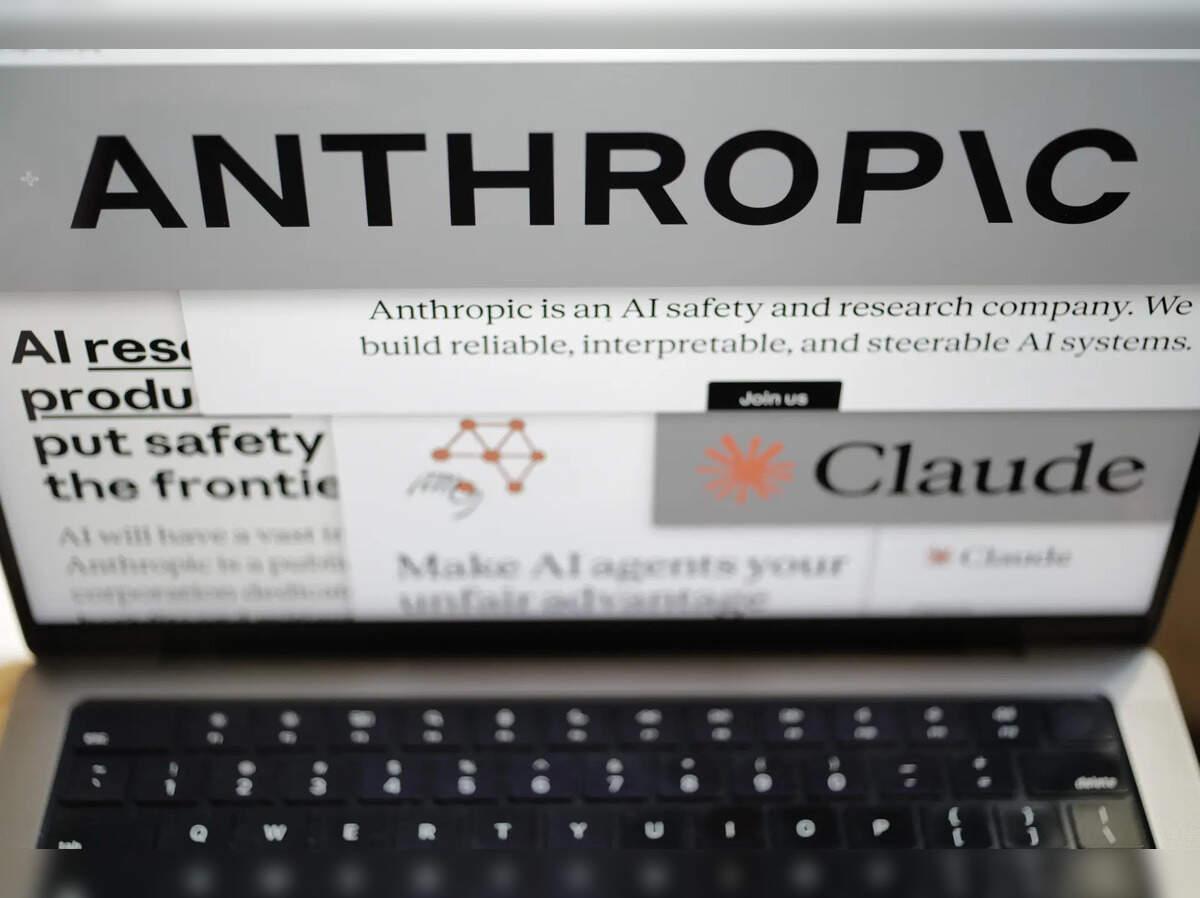
Source: ET
Brussels Assesses Impact on European Users
European Commission spokesperson Thomas Regnier emphasized that while highly capable AI models offer significant benefits for cyber-defence, they also raise serious cybersecurity concerns that require addressing
4
. "We believe that contingency measures taken in this light should not be discriminatory against partners," Regnier stated, signaling Brussels' concern over AI model accessibility for European businesses and users1
. The Commission is now closely evaluating the practical implications of the move for European users who rely on these advanced AI services.Technological Sovereignty Takes Center Stage

Source: Market Screener
The incident has reignited debates about technological sovereignty across Europe. Regnier described the development as "a further illustration of why Europe needs to strengthen its technological sovereignty"
2
. The Commission believes existing EU laws on cybersecurity and AI can help the bloc manage these emerging risks independently. Jordan Bardella, leader of France's National Rally party, warned that countries failing to develop their own advanced AI models risk becoming increasingly dependent on decisions made elsewhere3
. Finnish Member of the European Parliament Aura Salla echoed these concerns, stating that Europe cannot continue building critical technology infrastructure on services that can be "switched off overnight" by a foreign government3
.Related Stories

Geopolitical Dynamics and Future Outlook
Source: Benzinga
The controversy has drawn renewed attention to France-based AI startup Mistral, widely viewed as Europe's strongest contender in developing frontier AI models
3
. The US government reportedly expects to lift the restrictions once Anthropic addresses the safety concerns that prompted them, with David Sacks, co-chair of the President's Council of Advisors on Science and Technology, expressing hope for a quick resolution3
. Anthropic CEO Dario Amodei is scheduled to join G7 leaders and other AI company executives for a working lunch on Tuesday, where these geopolitical dynamics may be discussed1
. The episode underscores growing tensions between transatlantic partners over AI governance and raises questions about whether non-discriminatory measures can be established as emerging technologies pose shared challenges across jurisdictions.References
Summarized by

Navi
[3]
Related Stories
Austria urges EU to host Anthropic after US export controls cut European AI access
25 Jun 2026•Policy and Regulation

Anthropic pulled powerful AI models offline after U.S. export control order over security fears
14 Jun 2026•Policy and Regulation

Anthropic faces AI export ban as Mythos reportedly breached NSA systems in hours
19 Jun 2026•Policy and Regulation

Recent Highlights



Recent Highlights
Today's Top Stories






Don’t drown in AI news. We cut through the noise - filtering, ranking and summarizing the most important AI news, breakthroughs and research daily. Follow topics that matter to you and stay ahead.


