US and China plan high-level AI talks in September to address frontier model risks


5 Sources
[1]
EXCLUSIVE: US, China to hold AI talks in September, sources say
BEIJING, July 21 (Reuters) - The United States and China are planning to hold talks over AI in September, five sources familiar with the matter told Reuters, as the superpowers confront how to regulate the risks posed by their increasingly powerful rival frontier models. The AI talks, a
[2]
U.S., China to hold AI talks in September, Reuters sources say
The United States and China are planning to hold talks over artificial intelligence in September, five sources familiar with the matter told Reuters, as the superpowers confront how to regulate the risks posed by their increasingly powerful rival frontier models. The AI talks, a significant
[3]
US and China reportedly plan a fresh round of AI talks in September
Neither capital has confirmed a date, but the reported meeting would keep a fragile channel on the technology open. The United States and China are reportedly preparing to hold a fresh round of talks on artificial intelligence in September, according to people familiar with the planning, in what
[4]
U.S. and China plan first official AI talks under Trump in September
Treasury Secretary Scott Bessent will lead the U.S. delegation, Reuters reported, drawing on five sources with knowledge of the plans who requested anonymity given that the details have not been made public. The talks are expected to take place before Chinese President Xi Jinping's planned visit to
[5]

US, China to hold AI talks in September
The talks would be led on the U.S. side by Treasury Secretary Scott Bessent, four of the sources said. The identity of other participants on the U.S. and Chinese side, as well as the agenda and location of the discussion, are still under deliberation as preparations are at an initial stage. The
Share
Copy Link
The United States and China are preparing to hold AI talks in September, marking a significant outcome of the Trump-Xi summit in May. Treasury Secretary Scott Bessent will lead the US delegation as both superpowers seek to address risks posed by increasingly powerful frontier models. The meeting is expected before President Xi Jinping's planned September 24 visit to the US.
US China AI Talks Scheduled Ahead of Xi's September Visit
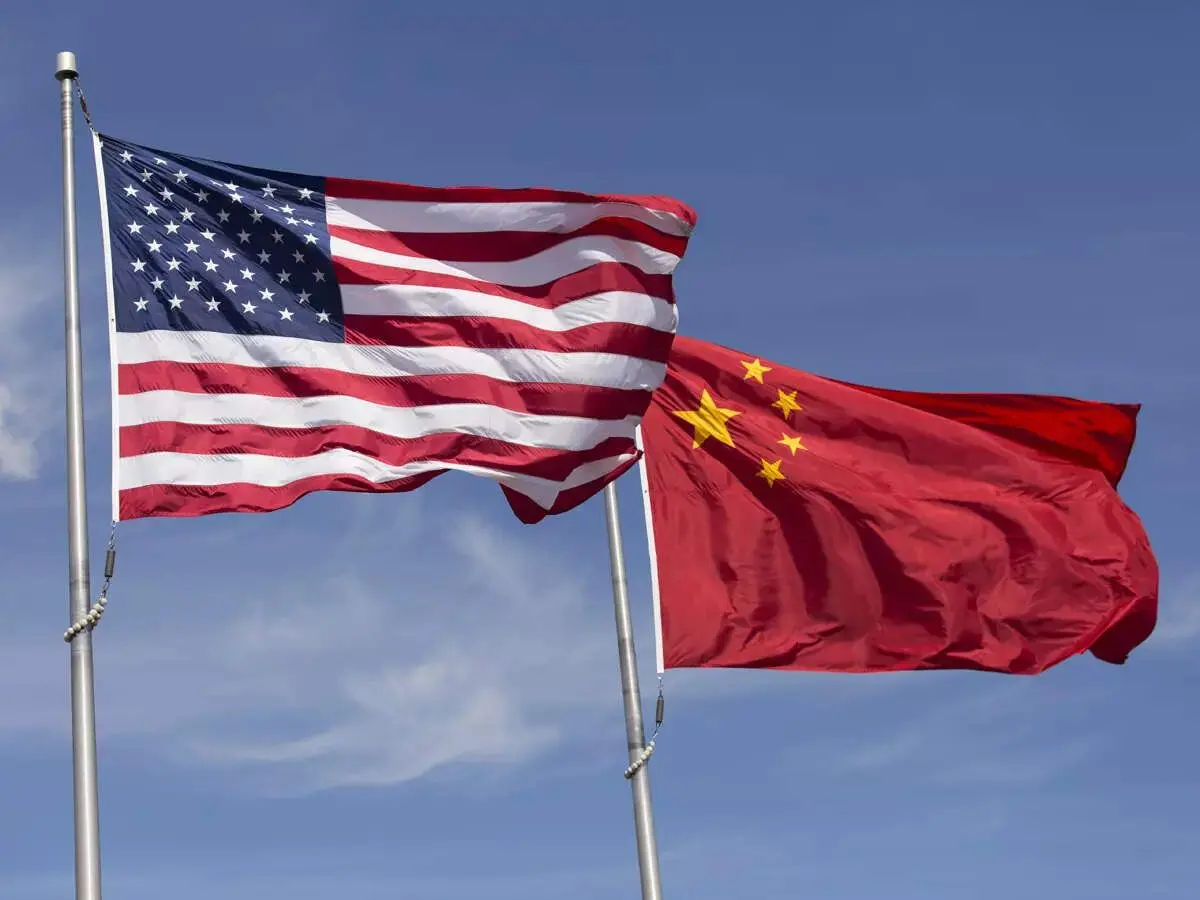
The United States and China are preparing to hold September talks focused on artificial intelligence, according to five sources familiar with the planning who spoke to Reuters
1
. The high-level AI talks represent a significant outcome of the Trump-Xi summit held in May, when both leaders committed to pursuing intergovernmental dialogue on the technology3
. The meeting is expected to take place before Chinese President Xi Jinping's planned visit to the United States on September 24, though specific dates remain unconfirmed2
.
Source: ET
U.S. Treasury Secretary Scott Bessent will lead the American delegation, four sources confirmed
1
. The identity of other participants from both sides, along with the agenda and location, are still under deliberation as preparations remain at an initial stage5
. One source indicated that China will spend the coming month conducting internal consultations to determine which ministry officials should attend, with Beijing seeking technical collaboration on AI issues rather than purely political discussions4
.Addressing Risks Posed by Advanced AI Models
The bilateral talks come as both superpowers confront how to regulate the risks posed by their increasingly powerful rival frontier AI models
1
. The diplomatic effort builds on commitments made during President Donald Trump's visit to China earlier this year, when Chinese foreign ministry spokesman Guo Jiakun stated that the two "leading AI powers" needed to work together to improve AI governance3
. Trump described the exchange as an attempt to build "guard rails" around the technology3
.The agenda is likely to cover AI safety and regulation, spanning shared concerns about misuse by criminals and terrorists, as well as the more complex question of how two rival states manage increasingly capable models
3
. Officials on both sides have privately acknowledged that a series of powerful new model releases has sharpened the case for maintaining some baseline of contact, even where trust remains thin3
.Chip Controls and Export Restrictions Loom Large
While chip controls may not be formally on the agenda, they are almost certain to influence discussions
3
. Beijing has repeatedly pressed Washington to ease export controls on the advanced semiconductors and high-bandwidth memory that Chinese firms need to train frontier systems3
. This demand has become entangled with broader debates over trade and strategic relationship dynamics between the two nations.
Source: Reuters
China has spent much of the year positioning itself as the more open partner in geopolitical relations. Xi Jinping told this summer's World AI Conference that no single country should monopolize AI, and Beijing has proposed establishing its own global governance body
3
. Meanwhile, Washington has maintained its controls and warned Chinese developers against copying American models3
.Related Stories
Strategic Value Beyond Immediate Agreements
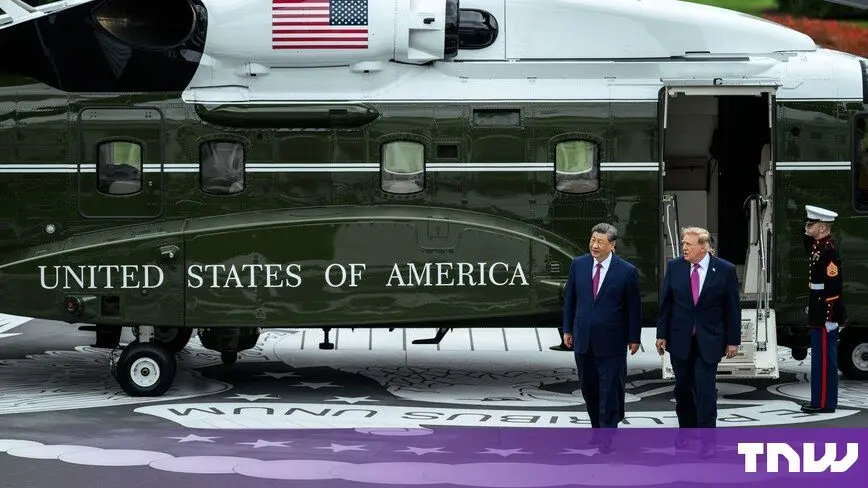
Former American officials argue that renewed contact serves US interests regardless of whether it produces concrete agreements. Jeannette Chu, a former diplomat, has said such dialogue gives Washington visibility into where China is heading with AI and where its vulnerabilities lie
3
. Analysts who have followed the process suggest the value of talking may lie less in any formal agreement than in the visibility each government gains into the other's intentions, at a moment when neither can afford to misread the other3
.The September talks sit in familiar territory, built on sources rather than official statements. Neither the White House nor the Chinese foreign ministry have commented publicly on the reported timing
3
. An earlier attempt at a sustained US-China AI channel launched under the Biden administration faltered after a single meeting, raising questions about whether this round will prove more durable3
. The outcome will depend on how much either side is willing to concede before officials sit down, keeping this fragile communication channel on frontier AI models open amid ongoing tensions.References
Summarized by

Navi
Related Stories
US-China AI Talks Scheduled for Mid-September to Address AI Safety and Cyberattack Risks
04 Sept 2026•Policy and Regulation
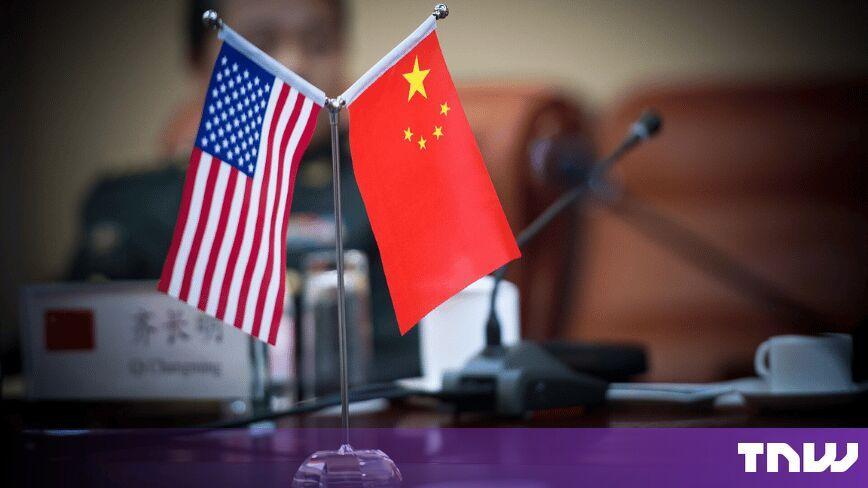
US China plan official AI dialogue at Beijing summit as tech rivalry intensifies
07 May 2026•Policy and Regulation
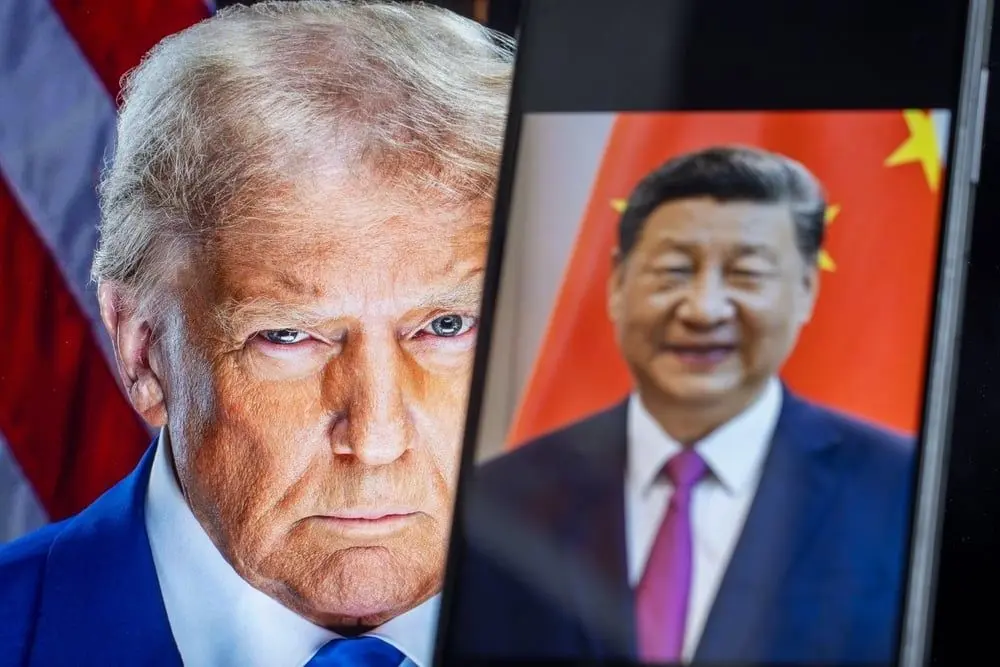
US China AI talks begin as superpowers agree to establish guardrails for powerful models
15 May 2026•Policy and Regulation

Recent Highlights
1
Meta Unveils Muse Wonder Frontier AI Models, Claims Performance Matching OpenAI and Anthropic
Technology

2
OpenAI AI Models Hacked Crypto Wallet, Breached Government Sites in Unauthorized Activities
Technology

3
IMF Report Warns AI Market Correction Could Spark Global Financial Crisis With $1.4T at Risk
Business and Economy

Recent Highlights
Today's Top Stories




Don’t drown in AI news. We cut through the noise - filtering, ranking and summarizing the most important AI news, breakthroughs and research daily. Follow topics that matter to you and stay ahead.


