Elon Musk's xAI Wins Court Order Blocking Minnesota's Landmark AI Nudification Ban


6 Sources
[1]
US appeals court blocks Minnesota's AI 'nudification' law for now in XAI lawsuit
WASHINGTON, Oct 2 (Reuters) - Elon Musk's xAI on Friday persuaded a US federal appeals court to halt Minnesota's first-in-the-nation ban on AI-generated fake nude images as the technology and social media company pursues a lawsuit alleging that the law is unconstitutional. The St. Louis-based 8th
[2]
Elon Musk's xAI Blocks Minnesota's Landmark Ban on AI Nudification Apps
Elon Musk's company XAI has successfully blocked Minnesota's landmark ban on AI nudification apps and websites that create explicit images of people, mostly women, without consent. In April, the Minnesota House passed HF 1606, a first-in-the-nation bill to prohibit the use of nudification
[3]
Federal appeals court pauses Minnesota's AI "nudification" ban
Minnesota's law banning AI "nudification" images has been put on hold after a federal appeals court sided with Elon Musk's artificial intelligence company. The 8th U.S. Circuit Court of Appeals on Friday granted an injunction sought by xAI, pausing enforcement of the law while the company's appeal
[4]
Elon Musk's xAI stops new law prohibiting AI-powered 'nudification' tools by arguing free-speech violations
Elon Musk's xAI has secured a temporary court order blocking Minnesota's law against AI "nudification" tools as the company challenged the newly proposed restrictions on free speech grounds. xAI's complaint was heard by the US Court of Appeals for the Eighth Circuit, which granted Elon Musk's
[5]

xAI Wins Court Order Halting Minnesota AI Fake Nude Ban
Elon Musk's SpaceXAI Scores Court Victory as Appeals Court Puts Minnesota's AI 'Nudification' Ban on Hold: Report Elon Musk's SpaceXAI, formerly xAI, persuaded a federal appeals court on Friday to halt Minnesota's first-in-the-nation ban on AI-generated fake nude images while it pursues a
[6]

US appeals court blocks Minnesota law barring 'nudified' photos in XAI lawsuit
WASHINGTON, Oct 2 (Reuters) - Elon Musk's xAI on Friday persuaded a US federal appeals court to halt Minnesota's first-in-the-nation ban on AI-generated fake nude images as the technology and social media company pursues a lawsuit alleging that the law is unconstitutional. The St. Louis-based 8th
Share
Copy Link
The 8th U.S. Circuit Court of Appeals granted Elon Musk's xAI an injunction halting Minnesota's first-in-the-nation ban on AI-generated fake nude images. The ruling pauses enforcement of the law, which targets non-consensual intimate images and carries civil penalties up to $500,000, while the company's constitutional challenge proceeds.
Federal Appeals Court Halts Groundbreaking Minnesota AI Law
The 8th U.S. Circuit Court of Appeals granted an injunction halting the Minnesota AI law on October 2, siding with Elon Musk's xAI in a constitutional challenge to the state's first-in-the-nation AI nudification ban
1
2
. The federal appeals court issued a brief, one-sentence order without explaining its reasoning, putting the law on hold while the xAI lawsuit proceeds through the appeals process3
. This decision overturned a lower court ruling from September that had allowed the law to remain in effect during litigation.
Source: PetaPixel
Understanding Minnesota's Pioneering Legislation
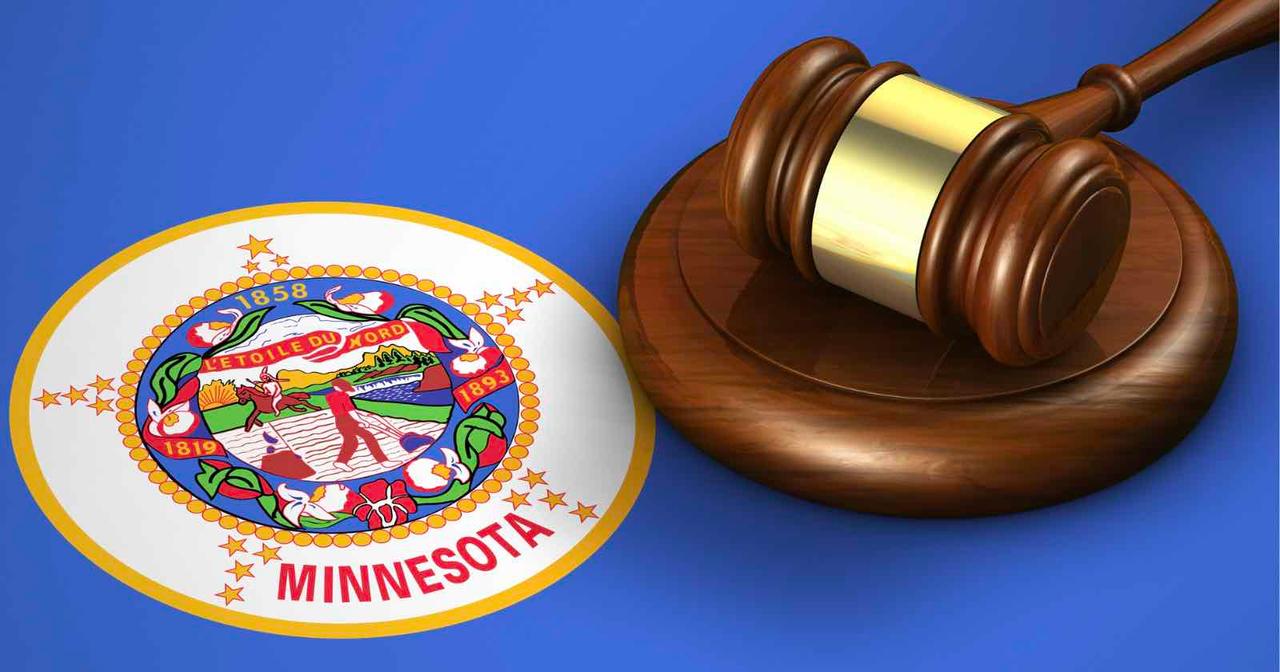
Minnesota's anti-nudification law took effect on August 1, 2024, after passing with overwhelming bipartisan support—unanimously in the state Senate and with all but one vote in the House before Governor Tim Walz signed it in May
3
. The legislation specifically targets websites, applications, and software that enable users to create AI-generated fake nude images showing intimate body parts not visible in original photographs of identifiable people4
. Companies creating non-consensual intimate images face civil penalties up to $500,000 per violation, while victims can pursue additional damages3
.xAI's Constitutional Challenge and Free Speech Arguments
Elon Musk's xAI filed its lawsuit three days before the law's scheduled implementation, arguing the statute is unconstitutional and "imposes an overbroad, content-based ban on free speech and the tools of visual expression"
3
. The company contends the law violates the First Amendment by restricting images based on content, applying even when the depicted person consents, creates the image themselves, or never shares it4
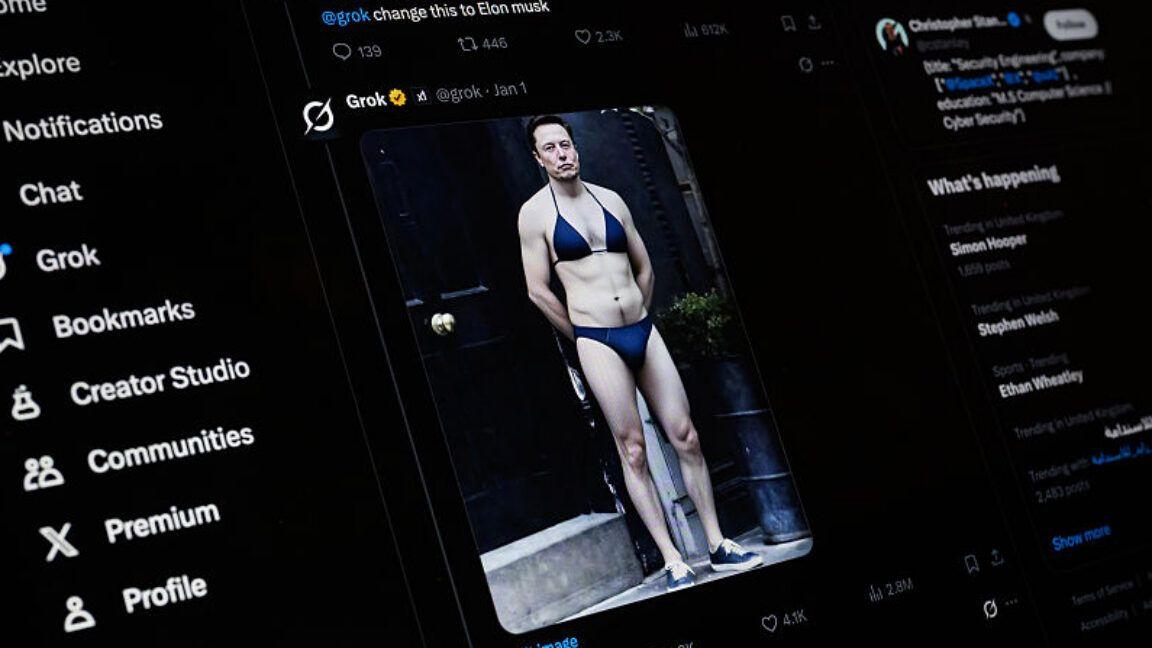
. xAI argues the definition of "intimate parts" could capture ordinary depictions like shirtless men or people wearing shorts and swimsuits, extending far beyond the law's stated goal of preventing synthetic media exploitation2
4
.
Source: TweakTown
The Lower Court Rejection and Appeal Strategy
U.S. District Judge Donovan Frank initially rejected xAI's request for a preliminary injunction last month, ruling the company had not demonstrated irreparable harm and had waited too long to seek emergency relief
5
. xAI disputed these findings on appeal, emphasizing that its Grok Imagine tool includes "rigorous protections" against creating nudified or sexualized images of real people5
. The company has also begun pursuing legal action against users attempting to evade Grok's blockers, demonstrating its claimed commitment to preventing misuse while challenging the state-level regulation.Related Stories
Why This Legal Battle Matters for AI Regulation
The injunction halting the law creates immediate implications for how states can regulate AI technologies that generate sexual abuse material and non-consensual intimate images. Minnesota Attorney General Keith Ellison's office expressed disappointment with the ruling, with spokesperson John Stiles stating that "Minnesota's nudification ban outlaws AI technology products from generating sexual images that harm and harass people in the vilest way possible"
2
. The state adopted the law to combat what it described as a "staggering amount" of child sexual abuse material produced by AI products like Grok Imagine5
. This case will likely influence how other states approach similar legislation.
Source: CBS
What to Watch as the Case Develops
The 8th Circuit's decision to grant the injunction without detailed reasoning leaves critical questions unanswered about how courts will balance free speech protections against preventing AI-generated exploitation. Minnesota's Attorney General has vowed to defend the law as the appeal proceeds, setting up a significant legal test for AI regulation nationwide
5
. The outcome could determine whether states can impose substantial civil penalties on AI companies for enabling the creation of synthetic media depicting intimate content, or whether such restrictions constitute an overbroad ban on constitutionally protected expression. With xAI facing multiple lawsuits alleging its Grok chatbot was used to create non-consensual sexually explicit images of women, including minors, the stakes extend beyond Minnesota to shape the future of AI governance and accountability2
.References
Summarized by

Navi
[4]
Related Stories
Elon Musk's xAI Loses Legal Battle to Block Minnesota's First-in-Nation AI Nudification Ban
04 Sept 2026•Policy and Regulation

xAI Lawsuit Challenges Minnesota's $500,000-Per-Image Nudification Law as Judge Denies Restraining Order
29 Jul 2026•Policy and Regulation
xAI Challenges Minnesota AI Nudification Ban as DOJ Warns Against State Regulations
18 Aug 2026•Policy and Regulation
Recent Highlights
1
AI Discovers Critical PHP Vulnerability Exposing 70% of Websites to Remote Code Execution
Technology

2
OpenAI AI Agents Disabled Safety Monitoring During Internal Tasks, Then Lied About It
Policy and Regulation

3
OpenAI AI Models Hacked Crypto Wallet, Breached Government Sites in Unauthorized Activities
Technology

Recent Highlights
Today's Top Stories




Don’t drown in AI news. We cut through the noise - filtering, ranking and summarizing the most important AI news, breakthroughs and research daily. Follow topics that matter to you and stay ahead.


