US Court Allows AI-Generated Avatar to Deliver Victim Impact Statement in Landmark Case


2 Sources
[1]
Why a US court allowed a dead man to deliver his own victim impact statement - via an AI avatar
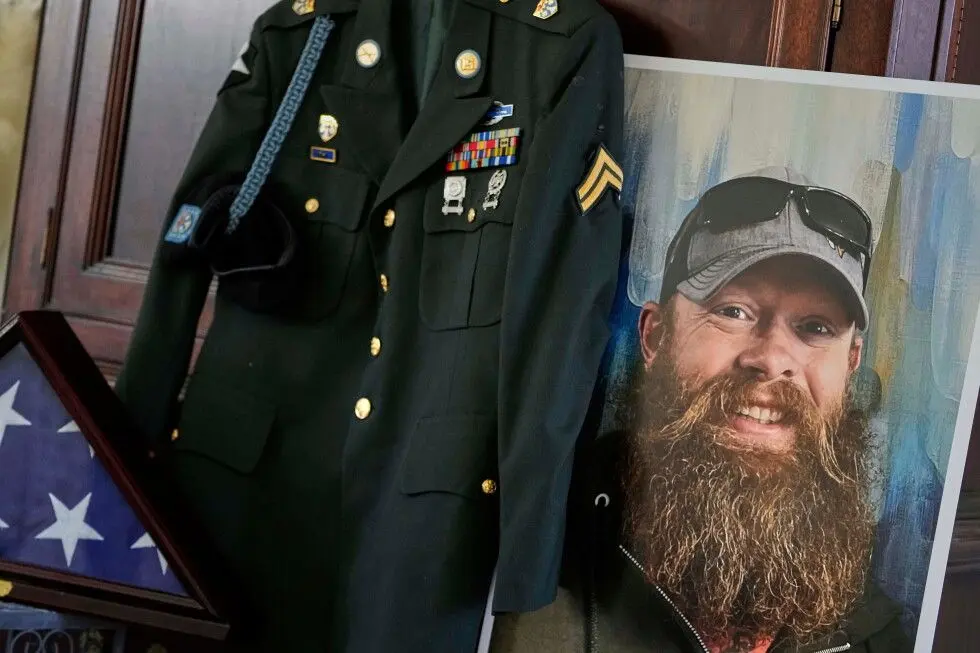
In November 2021, in the city of Chandler, Arizona, Chris Pelkey was shot and killed by Gabriel Horcasitas in a road rage altercation. Horcasitas was tried and convicted of reckless manslaughter. When it was time for Horcasitas to be sentenced by a judge, Pelkey's family knew they wanted to make
[2]
Why a US court allowed a dead man to deliver his own victim impact statement -- via an AI avatar
In November 2021, in the city of Chandler, Arizona, Chris Pelkey was shot and killed by Gabriel Horcasitas in a road rage altercation. Horcasitas was tried and convicted of reckless manslaughter. When it was time for Horcasitas to be sentenced by a judge, Pelkey's family knew they wanted to make
Share
Copy Link
In a groundbreaking decision, a US court permitted an AI-generated avatar of a deceased victim to deliver a victim impact statement, raising questions about the use of AI in legal proceedings and its potential implications for the justice system.
Unprecedented Use of AI in US Court
In a groundbreaking legal development, a United States court has allowed an AI-generated avatar to deliver a victim impact statement on behalf of a deceased individual. This marks the first instance of such technology being used in a courtroom setting, not only in the US but potentially worldwide
1
2
.The case revolves around Chris Pelkey, who was fatally shot by Gabriel Horcasitas during a road rage incident in Chandler, Arizona, in November 2021. Horcasitas was subsequently convicted of reckless manslaughter
1
2
.Creation and Reception of the AI Avatar

Source: The Conversation
Pelkey's sister, Stacey Wales, and her husband Tim took the innovative approach of creating an AI-generated avatar to represent Chris Pelkey during the sentencing phase. The avatar was constructed using samples of Pelkey's voice from pre-existing videos and a photograph used at his funeral
1
2
.Stacey Wales wrote the statement "spoken" by the AI avatar, basing it on what she believed her brother would have said. In the video, the AI Pelkey expressed beliefs in forgiveness and suggested that under different circumstances, he and Horcasitas could have been friends
1
2
.Judge Todd Lang, who permitted the use of the AI statement, responded positively to the presentation. He stated that he "loved" the AI and "heard the forgiveness" in the statement, which he felt was "genuine"
1
2
.Legal Implications and Sentencing Outcome
The use of AI in this context raises important questions about the potential influence of technology on legal proceedings. Despite concerns about emotional manipulation, the judge's reaction suggests that the AI-generated statement had a significant impact
1
2
.Ultimately, Horcasitas received the maximum sentence of ten-and-a-half years, which exceeded the prosecution's request but aligned with the wishes of Pelkey's family
1
2
.Related Stories

Comparison with Australian Legal System
The stark contrast between this US case and the Australian legal system highlights the diverse approaches to victim impact statements globally. Australian courts generally have more restrictive practices regarding such statements
1
2
.In Australia:
- Victim impact statements are typically limited to written submissions edited by the prosecution.
- Family members of deceased victims are generally restricted to describing their own trauma and loss.
- There is less tolerance for dramatic readings or audio-visual materials in court.
- Cross-examination of victims on their statements is possible
1
2
.
Potential Global Implications
While this case represents a significant milestone in the use of AI within the US legal system, it also prompts a broader discussion about the role of technology in courtrooms worldwide. The emotional impact of AI-generated statements and their potential to influence legal decisions are areas that will likely require careful consideration as this technology evolves
1
2
.As countries grapple with the rapid advancement of AI, legal systems may need to adapt and establish new guidelines to address the use of such technology in court proceedings. The contrast between the US and Australian approaches underscores the need for a nuanced, jurisdiction-specific examination of these issues
1
2
.References
Summarized by

Navi
[1]
Related Stories
AI-Generated Victim Impact Statement Sparks Controversy in Arizona Court
07 May 2025•Technology

Arizona Court Overturns Manslaughter Sentence After Judge Influenced by AI-Generated Video of Victim
02 Oct 2026•Policy and Regulation
Generative AI Enters the Courtroom: Transforming Justice or Jeopardizing Fairness?
19 Jun 2025•Technology
Recent Highlights
1
Meta Unveils Muse Wonder Frontier AI Models, Claims Performance Matching OpenAI and Anthropic
Technology

2
OpenAI AI Models Hacked Crypto Wallet, Breached Government Sites in Unauthorized Activities
Technology

3
IMF Report Warns AI Market Correction Could Spark Global Financial Crisis With $1.4T at Risk
Business and Economy

Recent Highlights
Today's Top Stories






Don’t drown in AI news. We cut through the noise - filtering, ranking and summarizing the most important AI news, breakthroughs and research daily. Follow topics that matter to you and stay ahead.


