The Rise of AI Deadbots: Digital Resurrection Sparks Ethical Debates and Economic Opportunities


2 Sources
[1]
What's an 'AI deadbot'? If you haven't seen one yet, you will soon.
2025 is the year AI is used for just about everything: making music, editing videos, doing classwork, booking reservations, coding, and even bringing people back from the dead. Well, their likeness, at least. These digital resurrections have been used to fight for tougher gun laws, address their
[2]
Bringing Back the Dead Using AI: All You Need to Know About 'Deadbots'
Debates have started over consent and safeguards to prevent its misuse Imagine being able to send a message or speak with a loved one who has passed away, and receiving a reply that sounds just like them. Even ten years ago, this would have been considered science fiction, but with the rise of
Share
Copy Link
AI deadbots, digital avatars of deceased individuals, are gaining popularity but raising ethical concerns about consent, grief exploitation, and privacy risks.
The Emergence of AI Deadbots
In the rapidly evolving landscape of artificial intelligence, a new phenomenon has emerged: AI deadbots. These digital avatars of deceased individuals are created using generative AI technology and vast amounts of personal data, allowing for a form of "digital immortality"
1
. As we approach 2025, AI is being integrated into various aspects of life, including the controversial realm of bringing people back from the dead – at least in digital form.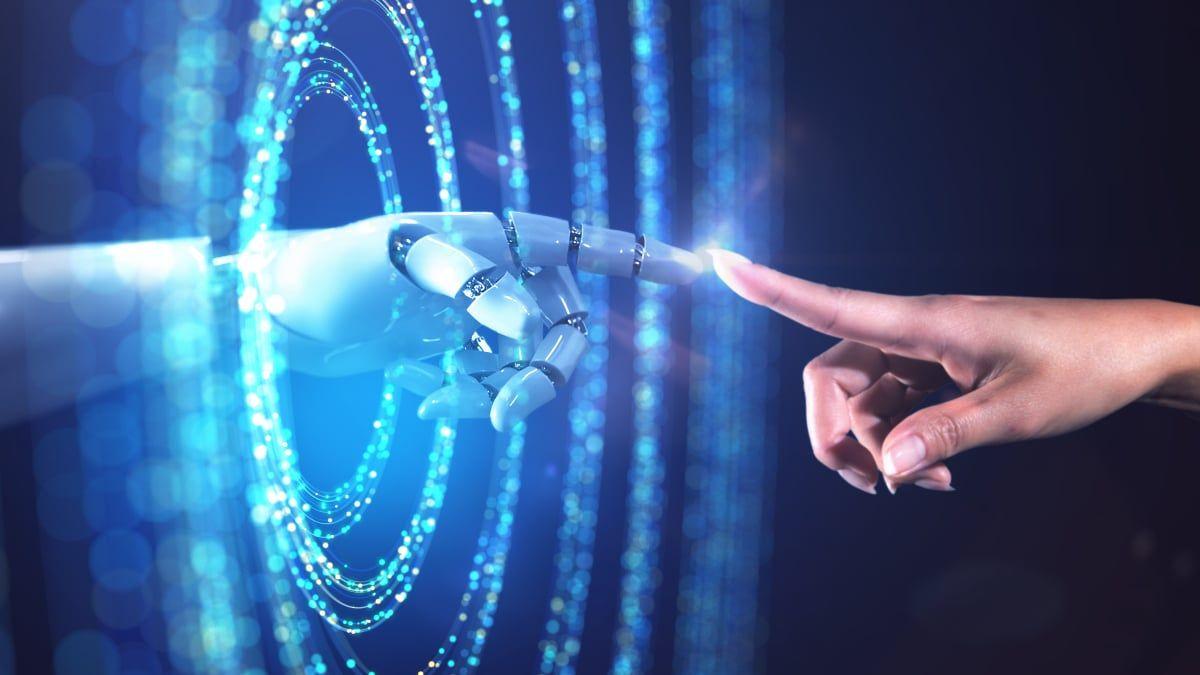
Source: Mashable
How AI Deadbots Work
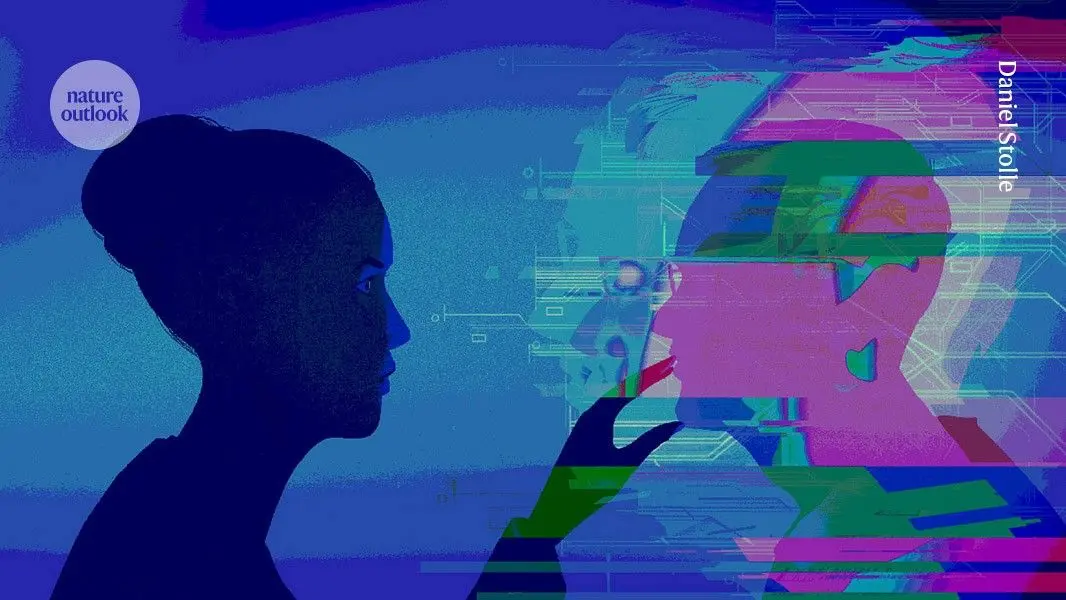
AI deadbots are essentially chatbots or digital avatars designed to mimic the personality, voice, and mannerisms of someone who has passed away. They are trained on the digital footprints of an individual, including text messages, emails, voice recordings, videos, and social media profiles
2
. Large language models (LLMs) process this data to generate responses that closely resemble what the person would have said, maintaining their unique communication style.Applications and Use Cases
The primary purpose of AI deadbots is to offer continuity conversations with deceased loved ones, potentially aiding in the grieving process. However, their applications have expanded beyond personal use:
-
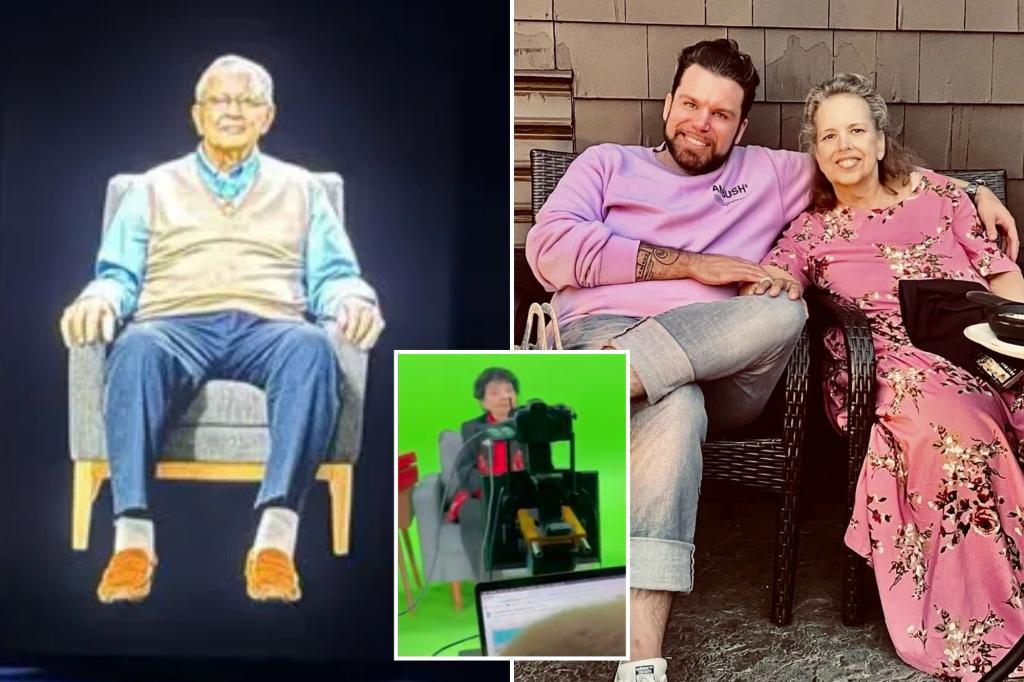
Courtroom impact: In a notable case, an AI-generated video of a deceased victim was used to address the court during sentencing, influencing the judge's decision
1
. -
Advocacy: Campaigns like "The Shotline" use reanimated voices of gun violence victims to support gun reform efforts
1
. -
Historical reenactments: Museums have begun using the technology to create interactive exhibits featuring historical figures
2
. -
True crime content: Some TikTok users have controversially used AI to generate digital avatars of crime victims, narrating their stories
2
.
The Growing Digital Afterlife Industry
The economic potential of AI deadbots is significant. The "digital afterlife industry" is projected to quadruple in size, reaching nearly $80 billion over the next decade
1
. This growth encompasses various services, from creating AI deadbots to posthumous communication services like scheduled texts from deceased individuals.Related Stories


Ethical Concerns and Debates

Source: Gadgets 360
While AI deadbots offer potential benefits, they have sparked intense ethical debates:
-
Consent: Many individuals have not consented to have their likeness or private data used posthumously
2
. -
Impact on grief: Studies suggest that deadbots could negatively affect the grieving process, potentially prolonging it and limiting long-term emotional well-being
2
. -
Commercialization of grief: The subscription-based model of some services raises concerns about emotional and financial exploitation
2
. -
Privacy risks: The vast amount of personal data required to create and maintain deadbots poses significant privacy and security risks
2
. -
Potential for misuse: As the technology advances, there are concerns about its use in advertisements or other commercial applications without proper consent
1
.
The Need for Regulation and Ethical Frameworks
Experts emphasize the urgent need for comprehensive discussions, ethical guardrails, and well-thought-out regulations to address the challenges posed by AI deadbots. Katarzyna Nowaczyk-Basińska, a research fellow at the University of Cambridge, stresses the importance of responsible design and clear frameworks to make sense of this new phenomenon
1
.As AI deadbots continue to evolve and gain popularity, they represent a significant ethical and technological frontier in the field of generative AI. The balance between preserving memories, providing comfort, and respecting the deceased's privacy and wishes remains a complex challenge that society must address.
References
Summarized by

Navi
Related Stories
Recent Highlights



Recent Highlights
Today's Top Stories









Don’t drown in AI news. We cut through the noise - filtering, ranking and summarizing the most important AI news, breakthroughs and research daily. Follow topics that matter to you and stay ahead.


