US moves to cut China's back-door route to AI chips through Southeast Asia


25 Sources
[1]
People react to US AI chip curbs that threaten data centre boom
Nov 17 (Reuters) - The Trump administration said on Monday it would restrict shipments of advanced chips from companies such as Nvidia (NVDA.O), opens new tab to Southeast Asia data centres, which Chinese companies have used to access computing power to train AI models. The measure sent shares of
[2]
US AI chip curbs threaten Southeast Asia data centre boom, shares tumble
SINGAPORE, Nov 17 (Reuters) - Shares of data centre and chip supply chain companies in Southeast Asia tumbled on Tuesday, as fresh US curbs on advanced chip exports to the region threatened its $100 billion-plus AI industry that has become a major driver of economic growth. The new rule restricts
[3]
Singapore seeks 'trusted access' to AI chips after US curbs
Singapore (AFP) - Singapore said Tuesday it was seeking "trusted access" to advanced AI chips after the United States imposed new curbs to stop Chinese firms from accessing the technology through overseas data centres. The curbs came days after a spy scandal forced Jensen Huang to quit as Nvidia
[4]
AI chips: Singapore seeks 'trusted access' to AI chips after new US curbs
Singapore said Tuesday it was seeking "trusted access" to advanced AI chips after the United States imposed new curbs aimed at stopping Chinese firms from accessing the technology through overseas data centres. The curbs came days after a spy scandal forced Jensen Huang to quit as Nvidia chief, as
[5]
Asia data center hotbed hit by U.S. chip curbs as Trump visits
U.S. President Donald Trump is targeting Southeast Asia in Washington's rush to tighten China's access to the world's most advanced chips, with his administration announcing new rules just before he travels to the region. Data center operators in Singapore, Malaysia, Thailand and Indonesia will
[6]

Trump Throws a Wrench Into Southeast Asia's AI Gold Rush
The corporate structures connecting Chinese demand with offshore Nvidia computing power are receiving some unwelcome attention. Takeaways * Southeast Asia's lucrative AI infrastructure trade has run into a Washington problem that investors may have been rather casually discounting. * The
[7]
U.S. tightens rules to restrict China's access to advanced AI chips overseas By Investing.com
Investing.com -- The U.S. has introduced new export controls requiring licences for shipments of advanced AI chips to several Southeast Asian countries and Brazil, tightening oversight of overseas data centres used by Chinese companies to access restricted computing technology. Shares of major AI
[8]

US AI chip curbs threaten Southeast Asia data centre boom, shares slump
SINGAPORE, Nov 17 (Reuters) - Shares of data centre and chip supply chain companies in Southeast Asia tumbled on Tuesday, as fresh US curbs on advanced chip exports to the region threatened its $100 billion-plus AI industry that has become a major driver of economic growth. The new rule restricts
[9]
U.S. Chip Export Curbs a Mixed Bag for Chinese AI -- Update
The U.S.'s latest efforts to close loopholes and deny China to access to top artificial-intelligence chips could create winners and losers across China's AI industry, reflected in the mixed performance in Chinese tech stocks Tuesday. The U.S. issued rules Monday to crack down on China's access to
[10]
People react to US AI chip curbs that threaten data centre boom
Nov 17 (Reuters) - The Trump administration said on Monday it would restrict shipments of advanced chips from companies such as Nvidia to Southeast Asia data centres, which Chinese companies have used to access computing power to train AI models. The measure sent shares of data centre and chip
[11]
U.S. Chip Export Curbs Have Mixed Implications for China's AI Industry
The U.S.'s latest efforts to close loopholes and deny China to access to top artificial-intelligence chips could create winners and losers across China's AI industry. The U.S. issued rules Monday to crack down on China's access to advanced AI computing, including Nvidia's AI chips, through remote
[12]
US AI chip curbs threaten Southeast Asia data centre boom, shares tumble
SINGAPORE, Nov 17 (Reuters) - Shares of data centre and chip supply chain companies in Southeast Asia tumbled on Tuesday, as fresh US curbs on advanced chip exports to the region threatened its $100 billion-plus AI industry that has become a major driver of economic growth. The new rule restricts
[13]
US AI chip curbs threaten Southeast Asia data centre boom, shares slump
Shares of data centre and chip supply chain companies in Southeast Asia tumbled on Tuesday, as fresh US curbs on advanced chip exports to the region threatened its $100 billion-plus AI industry that has become a major driver of economic growth. The new rule restricts shipments of advanced chips to
[14]
FTSE 100 today: Stocks fall as miners slide, U.S. chip curbs outweigh UK jobs data By Investing.com
Investing.com -- British stocks fell on Tuesday as a slide in mining shares and new U.S. curbs on China's access to advanced AI chips weighed, even as data showed UK unemployment unexpectedly fell to 4.6%. The FTSE 100 fell 0.78%, as of 03:23 ET (08:23 GMT). Germany's DAX lost 0.83% and France's
[15]
Singapore in damage control after Nvidia scandal exposes China loophole
Singapore (AFP) - Singapore is working to maintain its reputation as a trusted business hub, tainted by allegations that Chinese companies had exploited it to gain access to top-end AI chips despite US export restrictions. A widening scandal sparked by an affair between Jensen Huang, until
[16]

How Trump's chip restrictions on South East Asia will hit China
As US President Donald Trump heads to China, his adminisration has renewed efforts to curb Beijing's access to advanced semiconductors. On Monday, Washington announced new interim rules that will increase scrutiny of data centre operators in Singapore, Malaysia, Thailand, Indonesia and
[17]

Singapore presses US on new AI chip export rules
Josephine Teo said Singapore wants clarity on licence rules that now cover chip exports to the city state. Singapore is asking US officials how new rules on AI chip sales will work, minister Josephine Teo said on Monday. She spoke at Semafor's Silicon Valley & The World event, as Brendan Ruberry
[18]

Singapore defends status as a 'trusted business hub' after the U.S. proposes extending AI chip controls to Southeast Asia
The rule change comes days after reports of Nvidia CEO Jensen Huang's ties to Megaspeed, a cloud computing firm which allegedly funneled over $7.5 billion of Nvidia chip shipments to Chinese firms via its regional subsidiaries. (Megaspeed says it is cooperating with U.S. inspections and denies
[19]

US AI chip curbs send Southeast Asia data centre shares tumbling
The Trump administration said on Monday it would restrict shipments of advanced chips from companies including Nvidia to data centres in Southeast Asia, which Chinese companies have used to access computing power for AI model training. Shares of Southeast Asian data-centre and chip supply-chain
[20]
The US Chip Crackdown Has Dragged Southeast Asia and Brazil Into the AI Fight
Investors in AI now have to watch US policy as closely as they watch earnings. The Commerce Department's latest move makes the case more forcefully than anything this year. A 132-page interim rule now requires data centre operators in Singapore, Malaysia, Thailand, Indonesia and Brazil to get a US
[21]
Nvidia saga could spread beyond China to other Asian countries
'This was the real impactful thing of the Nvidia saga. What extent US administration, I think particularly in this case congressional pressure on tightening those restrictions, number one, from the US to not only China but to Singapore, Thailand, Malaysia, Indonesia.' 'So a whole range of countries
[22]

Trump's New A.I. Chip Rules Rattle Southeast Asia
New U.S. restrictions could jeopardize billions in investment and force countries in the region to strike an increasingly difficult balance between Washington and Beijing. The Trump administration's proposal to restrict China's access to advanced A.I. chips overseas rattled Southeast Asia on
[23]
Why Trump's new AI chip crackdown matters before Xi talks
U.S. President Donald Trump and China's Xi Jinping are due to meet this week at APEC. But before negotiations can even begin, the U.S. has moved to limit China's access to advanced AI. Chips is it a coincidence or a deliberate signal from the u.s this latest crackdown comes after the scandal with
[24]

U.S. requires AI chip export licenses for Southeast Asia data centers
The interim Commerce Department rule also adds requirements for overseas data centers that supply computing power to China-based firms The U.S. Commerce Department released an interim final rule on Sunday that requires operators of data centers in Singapore, Malaysia, Thailand and Indonesia to
[25]

Trump administration moves to block China from indirect access to American AI technology
WASHINGTON -- The Trump administration on Monday issued new rules to restrict remote access to advanced U.S. computing chips and servers, marking the latest step to limit China's abilities to use U.S. chips to train their best artificial intelligence models. Last week, Nvidia co-founder Jensen
Share
Copy Link
New US licence rules target advanced AI chip shipments to Southeast Asia and overseas data centres serving Chinese customers. Singapore is seeking trusted access, markets split, and the region's data centre boom faces its biggest test.
The US Commerce Department will require export licences before advanced AI chips can be shipped to Singapore, Malaysia, Thailand, Indonesia and Brazil, which it says present a higher-than-normal risk the chips are diverted to China
3
2
. The rule lands on a region whose AI industry is worth more than $100 billion and that governments had been counting on for growth2
8
.
Source: Japan Times
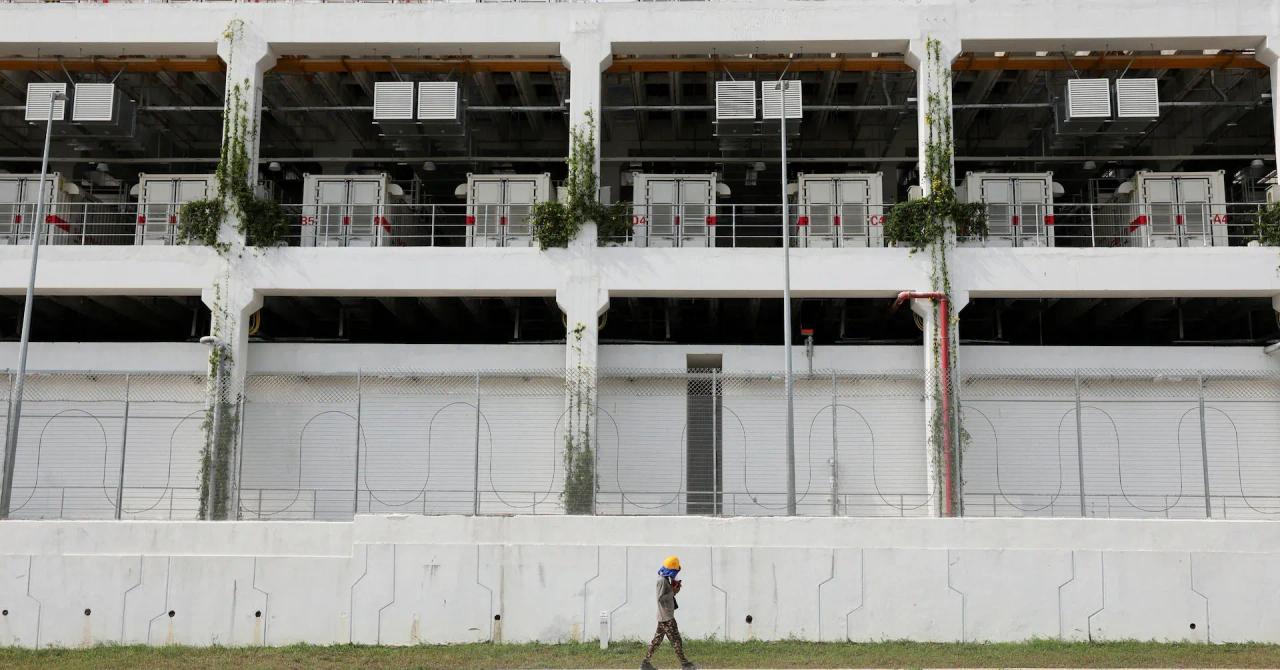
The curbs are designed to close the loophole that let Chinese firms rent computing power without buying the chips
3
2
. Under prior rules, Chinese companies could rent AI compute from overseas data centres whose US-made chips could not legally be sold into China3
2
. The Commerce Department says the rule aims to stop Chinese firms doing remotely what export controls bar them from doing physically3
6
.The rule also reaches beyond physical shipments for the first time
3
7
. Any data centre, anywhere, now needs a US licence to supply significant advanced-chip computing power to firms headquartered in China, Macau or other US-arms-embargoed jurisdictions3
7
. Existing operators have 90 days to secure authorisation once the rule takes effect, and recommendation systems are excluded4
7
.
Source: Reuters
The scandal behind the timing
The rule landed days after Jensen Huang resigned as Nvidia chief executive
3
2
. The New York Times reported on November 8 that Huang and Alice Huang, a Megaspeed executive and no relation, were in a relationship3
2
. Some US government officials, per the report, suspected she might be spying for China3
2
.Megaspeed, a Singapore-based cloud firm and Nvidia partner that rents out data centre computing power, is suspected of helping Chinese firms dodge US export controls and is under investigation
3
2
. Megaspeed says Alice Huang left the company over a year ago and denies wrongdoing, and no investigation findings have been reported3
4
6
. The Wall Street Journal reported that Alibaba was an anchor customer of Megaspeed International, where Alice Huang was a top executive9
. Bloomberg reported that Alibaba used Nvidia processors sitting in Malaysia through a structure involving a Singapore entity and a Cayman Islands holding company6
. The Straits Times has also reported that Indonesian police raided a local Megaspeed subsidiary's office this year, reportedly at the US government's request; the police have not commented3
.The concerns predate the scandal. Singapore said in February 2025 that 22% of Nvidia's chip sales were booked to entities operating in the country while just 1% physically arrived
2
8
. Singapore has also become a favoured domicile for Chinese firms seeking to reduce their exposure to US-China tension, which Reuters calls Singapore-washing2
8
.Singapore pushes back
Singapore said on Tuesday it is seeking "trusted access" for its companies
3
4
. Four ministries are studying the measure, engaging affected firms and talking to US authorities about scope and implementation3
4
. "We take our international reputation seriously and do not condone companies using their association with Singapore to circumvent or violate the laws of other countries in their international business activities, including export controls," the trade and communications ministries said in a joint statement3
. The city-state is also working to contain reputational damage from hosting Megaspeed, the firm at the centre of the diversion controversy3
4
2
.Indonesia, the other regional economy named in the rule, said Tuesday it is reviewing the measure and seeking industry input, and is open to technical dialogue
3
.Related Stories
Markets price a split outcome
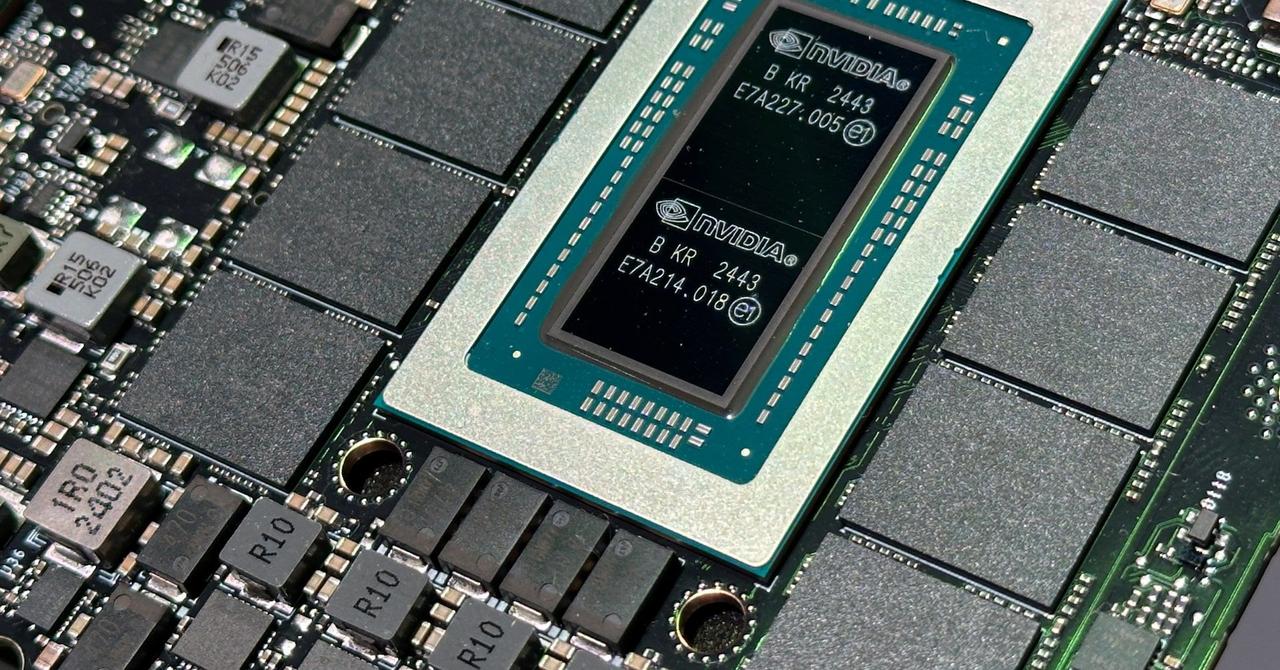
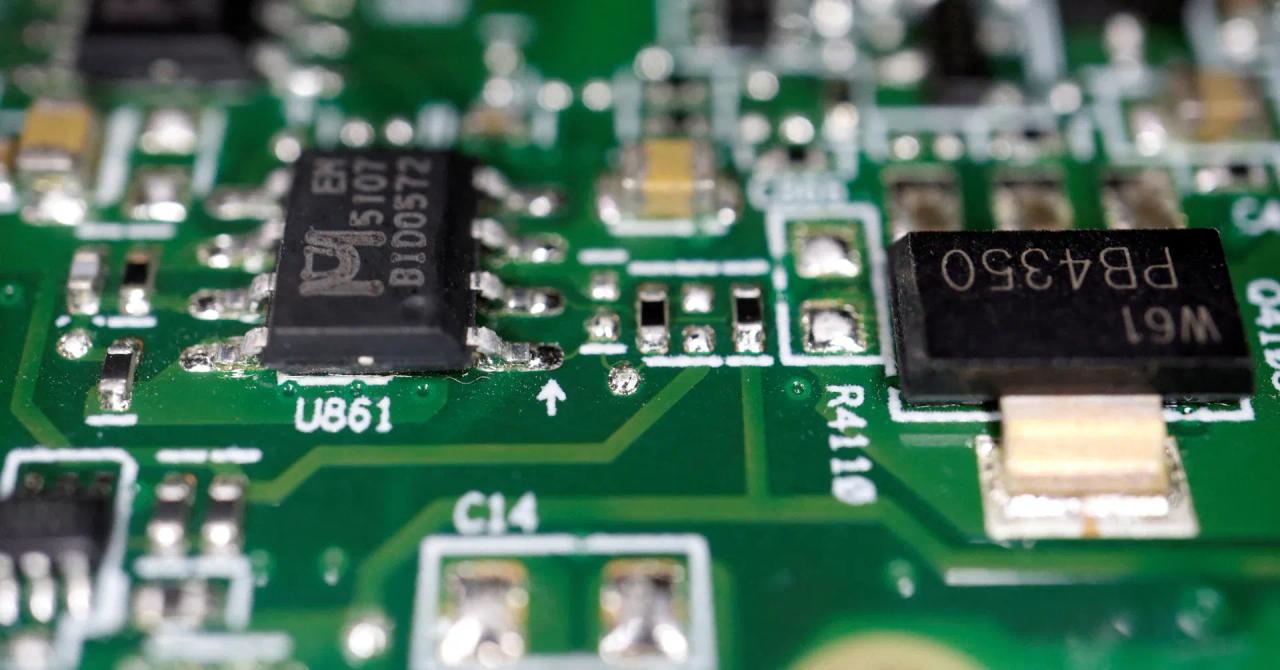
Shares tumbled on Tuesday. Malaysia's YTL Power, an Nvidia AI-infrastructure partner, fell nearly 10%, and Malaysian electrical firms MN Holdings and Critical Holdings fell nearly 20% each
2
8
. Chinese AI names fell too, with Alibaba down about 5%7
. China's domestic chipmakers rallied, with Semiconductor Manufacturing International Corp up 8.7% in Hong Kong7
8
.
Source: Reuters
Malaysia has approved about $95 billion of data centre investment since 2021, and Singapore raised its 2026 growth forecast in August, citing the AI boom
2
8
. The rule arrived just before President Trump travels to Manila for regional summit meetings and then to Shenzhen to meet Xi Jinping5
6
.Counterpoint's Neil Shah says the burden has shifted from chipmakers to cloud operators, including those in Singapore, which now face heavy customer-verification requirements
10
1
. "Export controls 2.0 is here. Chinese AI developers can no longer bypass physical hardware embargoes by renting advanced US compute power, like Nvidia's Blackwell or H200s, from overseas data centers," he said10
. Shah argues that cutting remote access leaves Chinese tech giants facing a severe short-term compute shortage, and that over the longer term it could accelerate decoupling10
1
. Malaysian analyst Ming San Soong notes the impact will be uneven: campuses serving US hyperscalers are better placed than those dependent on Chinese AI customers or hard-to-verify GPU rental businesses10
8
.The Institute for Progress, a think tank, estimates offshore rentals and smuggled equipment could meet at least 30% of China's advanced AI compute needs by end-2027
6
. Citi analysts expect the rule to channel more demand toward China's domestic chipmakers and speed up its push for chip self-reliance9
8
. Charu Chanana of Saxo calls the move "a meaningful escalation because restrictions are moving beyond who can buy advanced chips to who can access their computing power remotely"10
.References
Summarized by

Navi
Related Stories
US Considers AI Chip Export Restrictions to Malaysia and Thailand to Prevent China Access
05 Jul 2025•Policy and Regulation
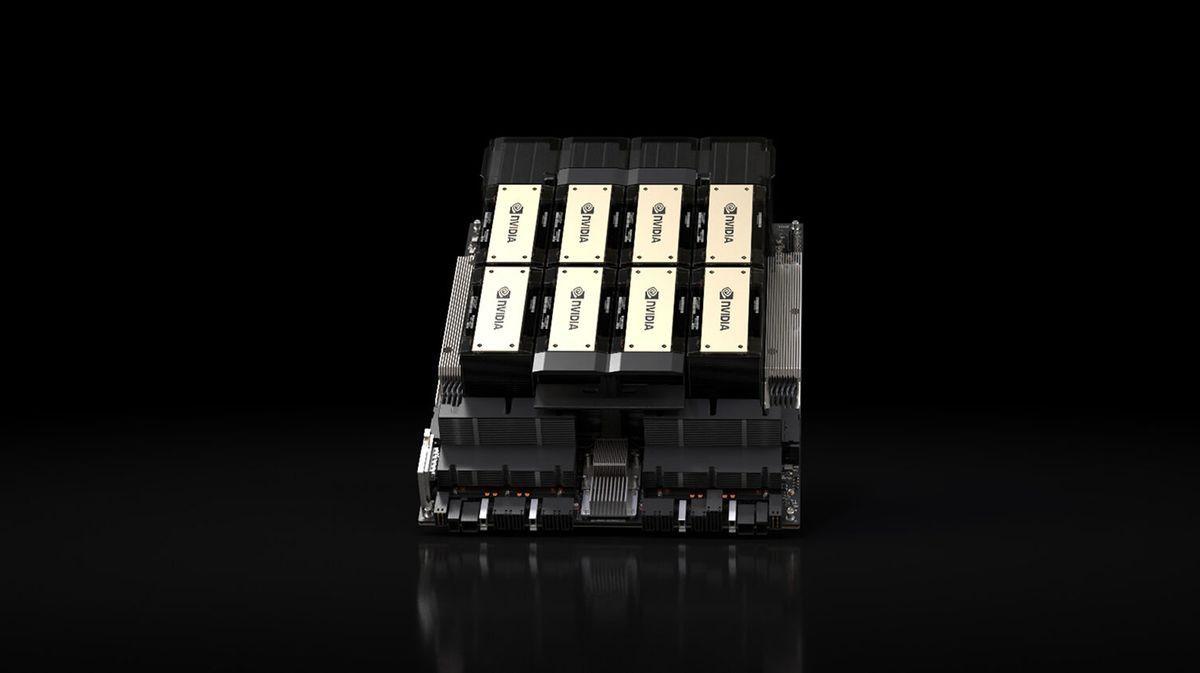
US drafts sweeping export controls requiring approval for Nvidia AI chips shipped worldwide
05 Mar 2026•Policy and Regulation

Chinese AI firms rush to reserve Nvidia chips abroad as the Huang scandal raises restriction risk
12 Nov 2026•Policy and Regulation
Recent Highlights


Recent Highlights
Today's Top Stories








Don’t drown in AI news. We cut through the noise - filtering, ranking and summarizing the most important AI news, breakthroughs and research daily. Follow topics that matter to you and stay ahead.


