US moves to close loophole that let Chinese firms buy advanced AI chips through overseas subsidiaries


9 Sources
[1]
US takes step to halt Nvidia AI chip shipments to Chinese firms outside China
May 31 (Reuters) - The U.S. Department of Commerce on Sunday moved to close a year-old potential loophole it had created that may have led companies to export the world's most advanced chips - like Nvidia's (NVDA.O), opens new tab most sophisticated Rubin and Blackwell processors, as well as AMD's
[2]
U.S. takes step to halt Nvidia AI chip shipments to Chinese firms outside China
The U.S. Department of Commerce on Sunday moved to close a year-old potential loophole it had created that may have led companies to export the world's most advanced chips -- like Nvidia's most sophisticated Rubin and Blackwell processors, as well as AMD's MI350x -- to Chinese entities located
[3]
Trump officials fear a loophole let Chinese firms buy Nvidia Blackwells
The gap, officials worry, let Chinese companies acquire banned chips through overseas subsidiaries. New guidance is meant to close it, after the chips may already have moved. The export ban worked on paper and leaked in practice. Trump administration officials are worried that a gap in US rules
[4]
US moves to close the loophole letting Nvidia's top chips reach Chinese firms abroad
New Commerce Department guidance ties export-licence rules to where a company is headquartered, not where it sits, snaring the overseas units of Chinese AI firms. For about a year, there was a way around America's toughest chip controls, and it was a matter of geography. A Chinese AI company
[5]
US moves to close potential AI chip sales loophole
The Trump administration is moving to close a potential loophole in U.S. export restrictions, clarifying that a license is needed to sell advanced AI chips to firms with Chinese parent companies even if they are not located in China or another restricted country. The Commerce Department on Sunday
[6]

U.S. takes step to halt Nvidia AI chip shipments to Chinese firms outside China
The U.S. Department of Commerce on Sunday moved to close a year-old potential loophole it had created that may have led companies to export the world's most advanced chips -- like Nvidia's most sophisticated Rubin and Blackwell processors, as well as AMD's MI350x -- to Chinese entities located
[7]

China's Stealth Pipeline For NVIDIA And AMD Chips Now On The Chopping Block, As Washington Targets Foreign Subsidiaries Headquartered In Beijing
China's ongoing ability to access advanced AI chips from the likes of NVIDIA and AMD has remained a hard-to-crack conundrum in Washington for quite some time now. Even so, the Trump Administration now appears to be tightening the proverbial screws on these advanced chips by chopping off a major
[8]

US Closes Loophole That Allowed Nvidia, AMD AI Chip Shipments To Chinese Firms Overseas - NVIDIA (NASDAQ:
What Does The Guidance Say? The Commerce Department's new guidance, published on its website, indicates that subsidiaries of Chinese AI firms in countries such as Malaysia have been receiving these advanced chips for almost a year. This development comes despite ongoing U.S. measures to limit
[9]

US moves to block Nvidia AI chip sales to Chinese firms outside China By Investing.com
Investing.com-- The U.S. Department of Commerce on Sunday moved to block Nvidia artificial intelligence chip sales to Chinese entities outside China- a loophole that may have been used to bypass U.S. restrictions. The Commerce Department's Bureau of Industry and Security issued a notice on Sunday
Share
Copy Link
The Commerce Department issued new guidance closing a year-old loophole that allowed Chinese firms to purchase Nvidia's most advanced Blackwell and Rubin processors through overseas subsidiaries. Industry sources estimate hundreds of thousands of chips may have reached Chinese entities during the gap, which emerged after the Trump administration rescinded Biden-era AI Diffusion rules in May 2025.
US Tightens Export Controls After Year-Long Gap
The U.S. Department of Commerce moved on Sunday to close a critical loophole in US export restrictions that may have allowed Chinese firms to acquire America's most advanced AI chips for nearly a year
1
. The unexpected weekend guidance clarifies that license requirements now apply to advanced AI chips sold to any entity headquartered in China, regardless of where that entity is physically located2
. This targets a specific workaround where overseas subsidiaries of Chinese companies, operating in countries like Malaysia and Singapore, could legally purchase semiconductors to Chinese entities without triggering export controls3
.
Source: Benzinga
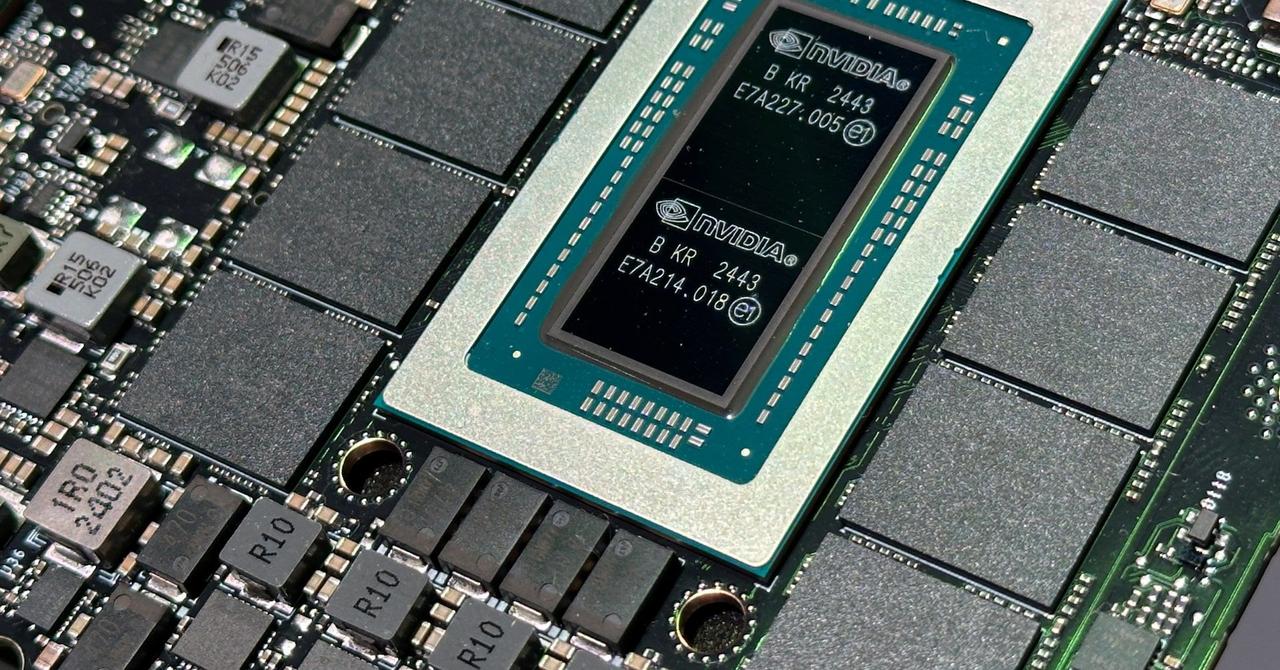
The chips at stake include Nvidia's most sophisticated Rubin and Blackwell processors, as well as AMD's MI350x—the world's most capable AI accelerators
4
. One chip industry source with deep supply-chain knowledge estimated that hundreds of thousands of these advanced chips may have been exported during the period the Trump administration left the door open1
. The scale of potential Nvidia AI chip shipments raises concerns about whether US efforts to limit China's access to advanced AI technology have been effective.How the Loophole Emerged and Operated
The gap in enforcement traces directly to policy decisions made in 2025. The Commerce Department created the opening when it announced in May 2025 that it would not enforce the AI Diffusion rule issued in the final days of the Biden administration
5
. That rule had governed global access to AI chips through a tiered system determining how many advanced AI chips countries could purchase. When the Trump administration rescinded the framework following significant pushback from the tech industry, confusion emerged about which portions of earlier 2023 licensing requirements remained in force5
.The mechanism exploited a question of corporate structure versus physical location. Chinese firms such as Alibaba could purchase systems carrying banned high-end Nvidia GPUs through overseas subsidiaries in most countries outside China itself, because enforcement had not consistently followed the chips to the parent company behind the buyer
3
. Southeast Asian data center hubs became natural delivery points for this hardware, with Singapore and Malaysia emerging as significant routes where subsidiaries could take delivery without purchases reading as direct shipments to China3
.Chris McGuire, a technology expert and former State Department official, called this "a HUGE problem" in a social media post, noting that the loophole allowed overseas subsidiaries of Chinese companies to buy Nvidia Blackwell chips without a license and that "Chinese companies have been buying these chips, very likely at scale"
1
.
Source: Reuters
What the New Guidance Changes
The Commerce Department's new guidance fundamentally shifts how export-license rules apply by tying controls to where a company is headquartered rather than where it operates
4
. This means AI chip exports to any business whose headquarters or parent sits in China now require licensing, even when the purchasing entity is located outside restricted territories. The control now follows the parent company's nationality rather than the address on the loading dock4
.However, the guidance stops short of the most disruptive measures. It does not require data centers already running the chips to stop using them or cut off servicing of advanced computing items such as servers
2
. The action aims at future flows rather than clawing back hardware that has already shipped, which limits immediate operational disruption while tightening controls going forward4
.Related Stories

Broader Implications for AI Capabilities and Enforcement
This development fits a persistent pattern of leakage and patching that has defined US chip policy since Washington began restricting China's access to advanced chips in 2022
4
. Despite repeated efforts to starve Chinese firms of semiconductors needed to develop critical AI capabilities, enforcement keeps running into workarounds—from third-country subsidiaries to outright smuggling operations.
Source: The Hill
The closure removes one of the cleaner legal routes to frontier silicon for Beijing, pushing Chinese developers harder toward stockpiles, domestic chip development, and murkier channels
4
. The pressure is already reshaping China's chip strategy, accelerating the shift toward custom ASICs designed domestically—structural workarounds that a single closed loophole cannot undo3
. For Nvidia and AMD, who did not immediately respond to requests for comment, tighter rules further narrow what remains a large potential market4
.The real test lies ahead in enforcement. A guidance document redraws the line, but policing corporate structures across jurisdictions remains the harder challenge. Whether authorities can track chips through complex ownership webs or only stop the next wave of shipments will determine if this closes the door or simply moves it. Congressional pressure is mounting—Senators Elizabeth Warren and Andy Kim recently accused the administration of allowing America's most advanced AI chips to reach Chinese companies through stale export rules
3
. Watch for how the Bureau of Industry and Science implements the promised replacement rule and whether enforcement can keep pace with corporate structure engineering designed specifically to circumvent these controls.References
Summarized by

Navi
[4]
Related Stories
US Tightens Chip Export Controls to China, Blacklists Chinese AI Firms
14 Jan 2025•Business and Economy

Trump Administration Maintains Strict Blackwell GPU Export Ban to China Despite Trade Truce
29 Oct 2025•Policy and Regulation

US Imposes New Export Controls on China's Semiconductor Industry
28 Nov 2024•Policy and Regulation

Recent Highlights



Recent Highlights
Today's Top Stories









Don’t drown in AI news. We cut through the noise - filtering, ranking and summarizing the most important AI news, breakthroughs and research daily. Follow topics that matter to you and stay ahead.


