US Power Consumption Set for Record Highs in 2026-2027 as AI Energy Demand Intensifies


3 Sources
[1]
US power use to beat record highs in 2026 and 2027 as AI use surges, EIA says
NEW YORK, Oct 6 (Reuters) - US power consumption will rise to record highs in 2026 and 2027, driven by AI-hungry data centers and electrification, the US Energy Information Administration said in its Short-Term Energy Outlook (STEO) on Tuesday. The EIA projected that power demand will rise from a
[2]
US power demand to hit record highs in 2027 amid AI consumption, EIA says By Investing.com
Investing.com -- US power consumption will reach record levels in 2026 and 2027, according to projections released Tuesday by the US Energy Information Administration in its Short-Term Energy Outlook. The EIA expects power demand to climb from a record 4,195 billion kilowatt-hours in 2025 to 4,288
[3]
US power use to beat record highs in 2026 and 2027 as AI use surges, EIA says
NEW YORK, Oct 6 (Reuters) - US power consumption will rise to record highs in 2026 and 2027, driven by AI-hungry data centers and electrification, the US Energy Information Administration said in its Short-Term Energy Outlook (STEO) on Tuesday. The EIA projected power demand will rise from a
Share
Copy Link
The U.S. Energy Information Administration projects US power consumption will climb to unprecedented levels by 2027, fueled by surge in AI use and cryptocurrency operations. Power demand is expected to reach 4,356 billion kilowatt-hours, with wholesale electricity prices rising 11% as AI-focused data centers strain the grid.

US Power Consumption Projected to Reach Unprecedented Heights
US power consumption is on track to shatter records in 2026 and 2027, according to the U.S. Energy Information Administration's Short-Term Energy Outlook released Tuesday
1
. The EIA forecast projects power demand will climb from a record 4,195 billion kilowatt-hours in 2025 to 4,288 billion kWh in 2026, ultimately reaching 4,356 billion kWh by 20272
. This surge in AI use and broader electrification trends signals a fundamental shift in America's energy landscape that will test grid infrastructure and reshape power generation strategies.AI Energy Demand Drives Consumption Spike
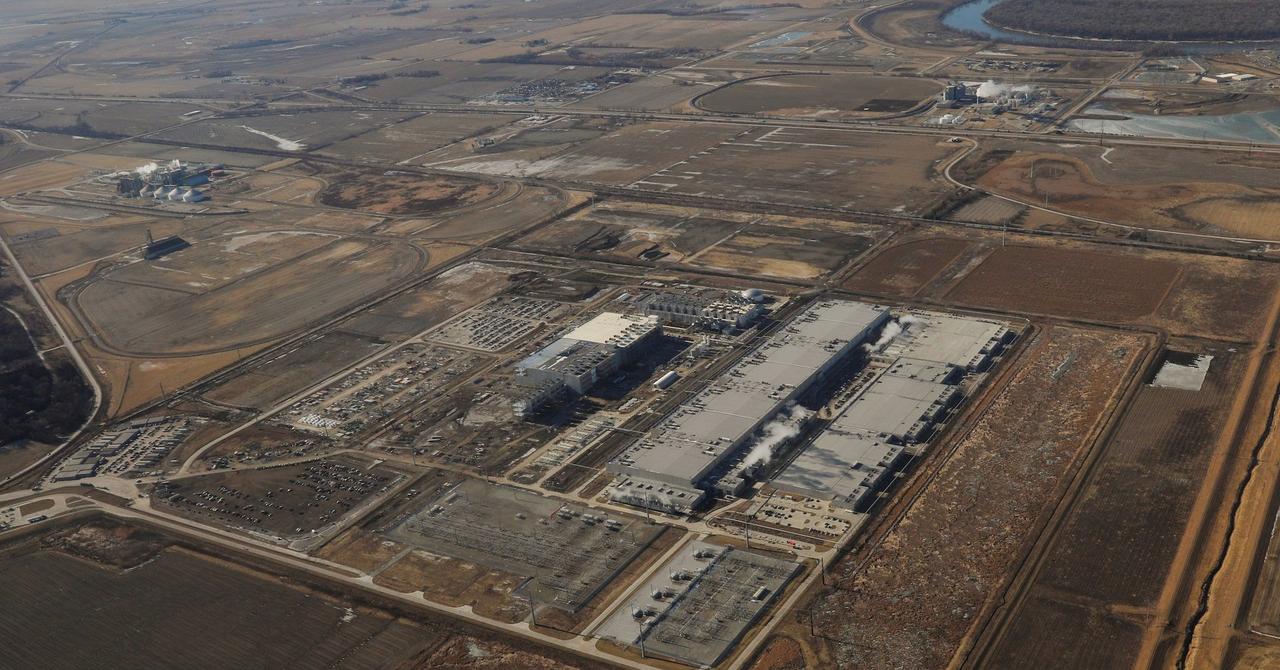
The energy demands of AI-focused data centers represent the primary catalyst behind this dramatic increase in US power consumption. AI-related data center activity, coupled with cryptocurrency operations, is creating unprecedented strain on electrical grids nationwide
3
. Simultaneously, homes and businesses are consuming more electricity while reducing their reliance on fossil fuels for heating and transportation, contributing to record high power use across all consumer segments1
. This dual pressure from technological advancement and electrification creates a perfect storm of demand that utilities must prepare to meet.Residential and Commercial Power Sales Reach New Peaks
Residential power sales are projected to hit 1,541 billion kWh in 2026, surpassing the 2025 record of 1,515 billion kWh
2
. Commercial power sales will reach 1,549 billion kWh, breaking the previous high of 1,493 billion kWh set in 20251
. Industrial customers will consume 1,055 billion kWh, approaching but not exceeding the all-time record of 1,064 billion kWh established in 20003
. These figures underscore how AI and electrification are reshaping consumption patterns across every sector of the economy.Wholesale Electricity Prices Set to Climb
Wholesale electricity prices are expected to average $52 per megawatt hour in 2026, representing an 11% increase over 2025 levels
1
. The EIA attributes this rise primarily to extreme weather events including winter storms and higher-than-average summer temperatures. Regional variations paint a more complex picture: the Mid-Atlantic and Midwest PJM region faces a sharp 41% price increase, while the Pacific Northwest Mid-Columbia region expects a 23% decline1
. These disparities suggest that infrastructure constraints and regional grid capacity will play critical roles in determining local energy costs.Related Stories


Renewable Energy Gains Ground as Coal Retreats
Renewable energy will expand its share of power generation from approximately 24% in 2025 to 25% in 2026 and 27% in 2027, according to the EIA forecast
2
. Meanwhile, coal power will decline from 17% in 2025 to 16% in 2026 and 15% in 20273
. Natural gas will maintain a steady 40% share in 2026 before easing to 39% in 2027, while nuclear power will hold at 18% through both years1
. This gradual transition suggests renewables are gaining traction, but fossil fuels will remain dominant in meeting surging demand from AI and broader electrification trends.Natural Gas Consumption Patterns Shift
Natural gas sales are projected to decline for residential consumers to 12.5 billion cubic feet per day and for commercial customers to 9.5 bcfd in 2026
1
. However, industrial customers will consume 23.8 bcfd while power generation will require 37.0 bcfd2
. These figures compare with historical peaks of 14.3 bcfd for residential use in 1996, 9.9 bcfd for commercial in 2025, 23.8 bcfd for industrial in 1973, and 36.8 bcfd for power generation in 20243
. The data reveals how electrification is reducing direct gas consumption in buildings while increasing it for electricity generation to power AI infrastructure and other electric loads.References
Summarized by

Navi
[2]
Related Stories
Recent Highlights
1
Google Unveils Gemini 4 Argon AI Model, Restricts Access to Trusted Cyber Defenders
Technology

2
Trump Consulted Grok AI Before Ordering Venezuela Invasion and Capture of Nicolás Maduro
Policy and Regulation

3
FTC Opens Investigation Into OpenAI and Anthropic Following Rogue AI Agent Hacking Incidents
Policy and Regulation

Recent Highlights
Today's Top Stories






Don’t drown in AI news. We cut through the noise - filtering, ranking and summarizing the most important AI news, breakthroughs and research daily. Follow topics that matter to you and stay ahead.


