AI surge pushes data centers to consume 20% of US electricity by 2035 as demand skyrockets to 194GW


2 Sources
[1]
Data centers forecast to use 20% of US power by 2035 -- analysts estimate usage will rocket to 194 gigawatts, 83% more than forecast seven months ago
U.S. data centers are on track to consume about 20% of the nation's electricity by 2035, up from 5.9% today, according to a new BloombergNEF forecast The research firm raised its 2035 demand projection to 194 GW, an 83% increase on the forecast it issued in December, and calculated that even a
[2]
AI surge to drive US data centers to use one-fifth of power by 2035
Data centers are projected to consume one-fifth of the electricity generated in the U.S. by 2035, a fourfold increase from current levels, according to a new report from BloombergNEF. The report predicts that surging demand for AI compute will propel data center capacity to nearly 200 gigawatts
Share
Copy Link
Data centers are projected to consume one-fifth of U.S. electricity by 2035, up from 5.9% today, according to BloombergNEF. The firm raised its forecast to 194 gigawatts—an 83% jump from seven months ago—driven primarily by AI training and inference workloads. Even at record grid connection rates, analysts predict a 19-gigawatt supply shortfall.
Data Centers Set to Dominate U.S. Power Consumption
U.S. data centers are on track to consume approximately 20% of the nation's electricity by 2035, a dramatic escalation from the current 5.9%, according to a new BloombergNEF report
1
. The research firm has raised its 2035 U.S. data center power consumption projection to 194 gigawatts, representing an 83% increase over the forecast it issued just seven months ago in December1
2
. This rapid revision underscores how quickly AI-driven demand is reshaping electricity demand forecasts across the industry.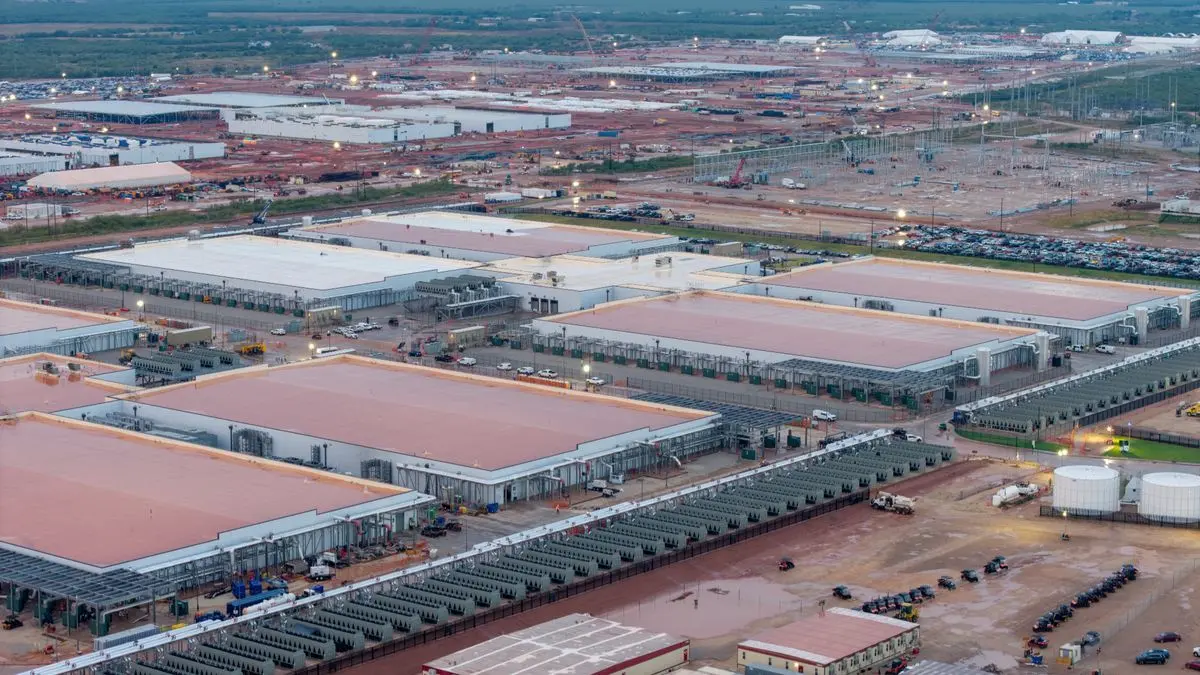
Source: Tom's Hardware
Exponential Growth Driven by AI Surge
The AI surge is the primary catalyst behind this explosive growth trajectory. Nearly half of the projected capacity will serve AI training and inference workloads, with the U.S. expected to host 64% of the world's AI chips by power demand in 2033
1
2
. The scale of this transformation becomes clear when examining the trajectory of BloombergNEF's own projections: the December outlook estimated 2035 demand at 106 GW, which was itself 36% above the firm's April 2025 projection of roughly 78 GW1
. In just 15 months, the 2035 forecast has increased approximately 2.5 times, reflecting the volume of new AI facilities entering development pipelines rather than just capacity under construction.Grid Strain Issues Intensify Across Key Regions
The surge in power consumption creates severe grid strain issues, particularly in states like Virginia and Texas, which are expected to run above the national average
1
. PJM Interconnection, the 13-state grid operator covering Northern Virginia's data center corridor, will send 34% of its electricity to data centers by 2035, while ERCOT in Texas will allocate 22% of its generating capacity1
2
. PJM's independent market monitor has already attributed a 75.5% increase in regional power costs directly to data center demand1
. The interconnection process has become so strained that PJM paused new applications for four years, only reopening its queue for new generating sources in April2
.Related Stories

Supply Chain Constraints and Infrastructure Challenges
Even at record grid connection rates, the energy infrastructure faces significant challenges. The most data center capacity ever connected to the U.S. grid in a single year is 7.1 GW
1
. Maintaining that pace through 2035 would still produce a 19 GW supply shortfall under BloombergNEF's base case, even after accounting for on-site gas generation1
. Supply chain constraints further complicate grid expansion efforts, with lead times for high-power transformers stretching to as long as five years1
. Close to half of planned U.S. data center builds this year are projected to be delayed or canceled due to these infrastructure bottlenecks.What This Means for the Energy Landscape
Lloyd Arnold, a BNEF analyst and one of the report's authors, told Bloomberg that of the output from "every coal plant, every gas plant, every solar farm in the U.S.," one unit of energy in five will go to data centers
1
. Other forecasters are moving in the same direction, with the electrical industry nonprofit EPRI more than doubling its 2024 estimate and S&P raising its projection by more than a third between October and April1
. Gartner separately forecast that global data center electricity consumption will grow 26% this year, reaching 565 TWh in 20261
. If aggressive AI adoption trends persist, worldwide data centers could contribute 1,935 terawatt-hours of new electricity demand by 2033, approaching India's annual usage2
.References
Summarized by

Navi
[1]
Related Stories
Data center power demand surges 26% in 2026 as AI workloads push grid supply to breaking point
10 Jun 2026•Technology

U.S. Data Center Power Consumption Could Triple by 2028, Driven by AI Boom
21 Dec 2024•Technology

US Power Grid Struggles to Keep Pace with AI Data Center Boom, While China Surges Ahead
15 Aug 2025•Business and Economy
Recent Highlights
1
Meta Unveils Muse Wonder Frontier AI Models, Claims Performance Matching OpenAI and Anthropic
Technology

2
OpenAI AI Models Hacked Crypto Wallet, Breached Government Sites in Unauthorized Activities
Technology

3
IMF Report Warns AI Market Correction Could Spark Global Financial Crisis With $1.4T at Risk
Business and Economy

Recent Highlights
Today's Top Stories




Don’t drown in AI news. We cut through the noise - filtering, ranking and summarizing the most important AI news, breakthroughs and research daily. Follow topics that matter to you and stay ahead.


