Vatican certifies Pope Leo XIV's anti-AI encyclical as human-authored after detection controversy


2 Sources
[1]
Vatican Uses AI-Detector to Show AI Bros Pope's Anti-AI Encyclical Isn't AI-Generated
When Pope Leo XIV issued Magnifica Humanitas, his 43,000-word encyclical calling for people to maintain and protect human dignity in the face of artificial intelligence, some in the AI world started to allege that the head of the Catholic Church used AI to write the document, accusing him of
[2]
Man of his word: Pope Leo speeches declared human-authored by Australian AI detection tool
Maps of Hope has been certified by Proudly Human, a company led by former chief scientist, Dr Alan Finkel A collection of speeches and writings by Pope Leo XIV has been certified as human-authored less than two months after Leo declared artificial intelligence the greatest threat to
Share
Copy Link
Pope Leo XIV's 43,000-word encyclical Magnifica Humanitas, which called AI the greatest threat to humanity, faced accusations of being AI-generated. The Vatican has now obtained official certification from Proudly Human, an Australian AI detection tool led by Dr. Alan Finkel, confirming the document is entirely human-authored.
Vatican Responds to AI-Generated Content Allegations
When Pope Leo XIV released Magnifica Humanitas, his 43,000-word encyclical warning that artificial intelligence poses the greatest threat to humanity, he likely didn't anticipate becoming the subject of an AI detection controversy. Yet AI evangelists quickly alleged that the papal document itself was AI-generated, pointing to what they saw as ironic hypocrisy. The Vatican has now moved to settle the matter by obtaining official certification that the encyclical is entirely human-authored
1
.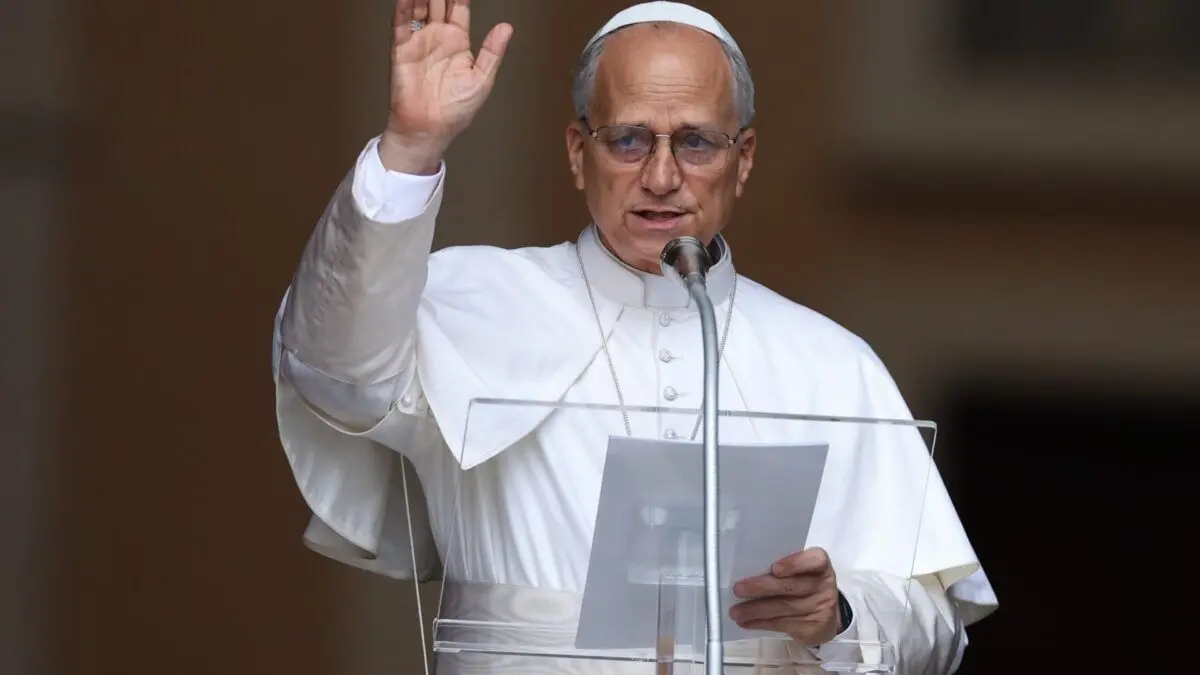
Source: Gizmodo
The controversy centers on competing AI detection systems and the question of who to trust when it comes to verify human authorship. Pangram Labs, which has built a reputation for on-demand AI-detector services on X, flagged several posts from Pope Leo XIV's official account as likely AI-written. The company's analysis of the full encyclical suggested that while most appeared human-authored, some paragraphs might contain AI-generated text. AI researcher Linch Zhang conducted his own examination and concluded portions likely involved AI assistance, though he suggested Vatican officials rather than the Pope himself may have used such tools
1
.Australian AI Detection Tool Certifies Papal Writings
The Vatican turned to Proudly Human, an Australian company led by Australia's former chief scientist Dr. Alan Finkel, to settle the dispute. The certification process required the Vatican to submit a collection of the Pope's writings and speeches, which served as a control group against which the encyclical was tested. The church also underwent an ID check and signed verification stating that AI was not used for any first draft and did not write sentences or paragraphs of the finished product
1
.Proudly Human uses multiple AI detection systems that focus on different nuances in writing and grammar and style. According to Finkel, the company employs a suite of four or five detection tools along with its own averaging algorithm, testing the suite nightly to ensure continued accuracy. Within a day of review, Proudly Human certified the collection as human-created, with Finkel stating the encyclical came through as "basically purely human"
2
.Institutional Verification and Ethical Implications
The certification process also covered Maps of Hope, a collection published in May alongside Magnifica Humanitas by the Australian Catholic University in collaboration with Vatican cardinals. In the encyclical, Pope Leo XIV argued that AI should be prevented "from dominating humanity" and called for the technology to be "human-friendly," accessible to all, and subject to open discussion and debate
2
.Finkel emphasized that readers deserve to know when content is human-created, calling it a "fundamental right" for human beings, particularly regarding religious figures. "If you're sitting in a church and you're expecting that that is the genuine expertise, religious wisdom, of the priest who's delivering the sermon," he explained, highlighting concerns about transparency in authorship. Professor Zlato Skrbis, president of the Australian Catholic University, noted that given the rapid generation of content today, it's valuable to "say with confidence that a work is a product of human reflection and judgment"
2
.Related Stories
The Trust Paradox in AI Detection
The situation reveals a fundamental paradox: both sides of the debate rely on AI-powered tools to distinguish human writing from machine-generated text. Proudly Human's certification process itself uses artificial intelligence to analyze and compare texts, raising questions about the reliability of using AI to detect AI. The company's terms specify that certifications are made based on information provided and can be revoked if found to misrepresent authorship
2
.Finkel's hope is that absent government regulation requiring disclosure of AI-created content, trust marks can provide readers with information about authorship. The certification standards require that AI cannot be used to write first drafts or compose sentences and paragraphs, though the exact boundaries of acceptable AI assistance remain somewhat ambiguous
2
. As AI capabilities advance and detection methods evolve, institutions and individuals will need to watch how these verification systems develop and whether they can keep pace with increasingly sophisticated AI-generated content.References
Summarized by

Navi
Related Stories
Pope Leo XIV Rejects AI Safety 'Hoax' Claims, Criticizes Trump and Nvidia's Jensen Huang
29 Sept 2026•Policy and Regulation

Pope's AI Warnings Flagged as AI-Generated by Detection Tool With 99.98% Accuracy Rate
22 Apr 2026•Technology
Pope Leo XIV launches AI encyclical with Anthropic co-founder amid Trump administration clash
14 May 2026•Policy and Regulation

Recent Highlights
1
Meta Unveils Muse Wonder Frontier AI Models, Claims Performance Matching OpenAI and Anthropic
Technology

2
IMF Report Warns AI Market Correction Could Spark Global Financial Crisis With $1.4T at Risk
Business and Economy

3
Eight States Sue OpenAI Over ChatGPT Safety Concerns and Unlawful Collection of Children's Data
Policy and Regulation
Recent Highlights
Today's Top Stories







Don’t drown in AI news. We cut through the noise - filtering, ranking and summarizing the most important AI news, breakthroughs and research daily. Follow topics that matter to you and stay ahead.


