Virtual Buddhist Temple Built With AI Draws 1 Million Visitors in Less Than a Week


2 Sources
[1]
AI-built virtual Buddhist temple draws 1 mil. visitors in less than a week
Users suggested adding virtual tapdori, walking around a pagoda, and an option for a monk avatar to strike users with a jukbi used in Zen meditation. "I don't have the energy to actually go to a temple. So I just sit here for a little while before leaving." A virtual Buddhist temple created with
[2]
South Korean job seeker with no coding experience creates viral AI-powered temple in 30 minutes
A 26-year-old South Korean job seeker with no formal programming experience has attracted more than one million visits to a virtual Buddhist temple he built using AI in less than half an hour. Park Jin-won, who graduated with a degree in English literature, launched the online temple, named Sansa,
Share
Copy Link
A 26-year-old South Korean job seeker with no coding experience created Sansa, a virtual Buddhist temple using generative AI, attracting over 1 million visitors in just five days. Park Jin-won built the AI-powered temple in under 30 minutes using OpenAI's Codex through vibe coding, offering users a peaceful digital space for meditation and prayer without requiring travel or religious commitment.
South Korean Job Seeker Creates Viral Virtual Buddhist Temple With No Coding Experience
Park Jin-won, a 26-year-old South Korean job seeker with a degree in English literature and no formal programming background, has created an unexpected online phenomenon. His virtual Buddhist temple called Sansa attracted more than 1 million visitors in less than a week after launching on October 26
1
2
. The AI-built virtual temple recorded 600,000 visits in its first three days and exceeded the million mark by November 12
. More than 10,000 people visited Sansa on its first day alone, immediately straining its server capacity1
.How Generative AI and Vibe Coding Made Digital Spirituality Accessible
Park built the AI-powered temple using OpenAI's Codex through an approach called vibe coding, where users describe ideas in natural language and AI generates the necessary programming code
2
. He completed the first version in under 30 minutes, with simple functions like virtual bowing and moving prayer beads taking as little as 10 minutes to develop2
. The inspiration came during his job search when Park felt exhausted and wanted to visit a Buddhist temple for peace but lacked the time or energy to travel. "There are days when I feel like it would be nice to go to a temple, but actually going requires you to make an effort," Park explained1
. This simple thought led him to create an accessible digital alternative.Interactive Online Experiences Offer Mental Health Support Through Virtual Meditation
Source: Korea Times
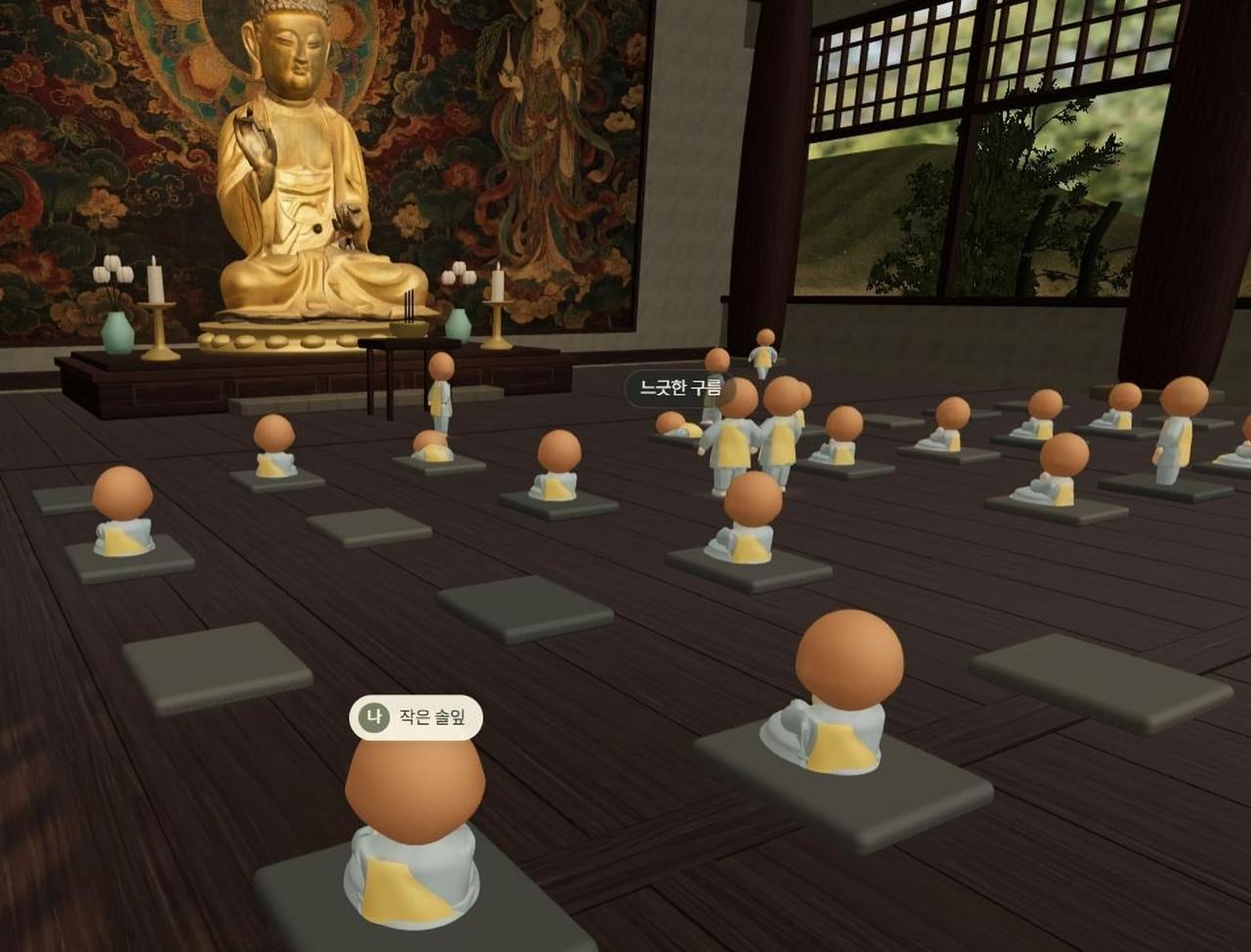
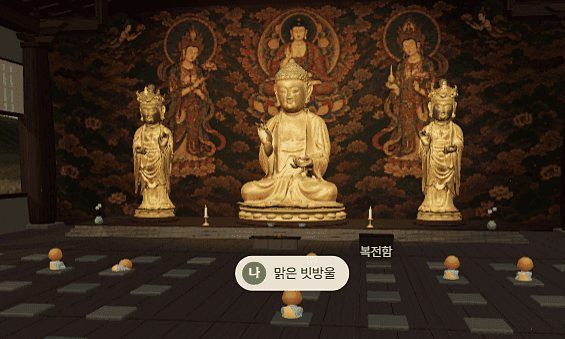
Sansa recreates the atmosphere of a secluded Buddhist temple, complete with lush greenery, a large Buddha statue, meditation cushions, and traditional chants
2
. Users control a child-monk avatar that can put its palms together in prayer or perform Buddhist bows1
. Visitors can use their mouse to roll prayer beads or strike a moktak, a wooden percussion instrument used in Korean Buddhist rituals1
. Unlike many virtual social platforms, Sansa does not offer text messaging, allowing people to occupy the same digital environment without feeling obliged to interact2
. Users have flooded Park with suggestions for new features, including a virtual version of tapdori, the Buddhist practice of walking around a pagoda, and an option for a monk to strike users with a jukbi, a bamboo stick traditionally used in Zen meditation1
.Related Stories

Global Reach and Rapid Infrastructure Scaling
Park initially set the temple's simultaneous user capacity at just 20 people but quickly increased it to 10,000 meditation cushions as demand surged
1
2
. The platform's popularity spread beyond South Korea, with 50,000 people from Taiwan visiting overnight, while users from Vietnam and Thailand also accounted for substantial traffic2
. Park has been working intensively to stabilize the service and sharing visitor numbers and updates on social media1
. A feature allowing users to support the project through an offering of rice, drawing on the traditional Buddhist practice of donating rice to temples, has also been introduced1
.Wave of Similar Virtual Spaces and Online Churches Emerges
Source: VnExpress
Sansa's viral success has inspired similar AI-powered religious platforms in South Korea, including Chanmi, a virtual Catholic church offering hymns and prayers, and Goyottul, a Protestant church where visitors can share prayer requests and listen to sermons
2
. Beyond religious spaces, less spiritual destinations have appeared where users can virtually board a plane and eat an in-flight meal, visit a sauna or hot spring, camp outdoors, or even explore a coal mine1
. Sung Hae-young, a religious studies professor at Seoul National University, told The Korea Herald that such platforms appeal to young people seeking peace and spiritual comfort without the pressure of joining a religious community2
. Despite creating a Buddhist-themed platform, Park is not Buddhist himself and believes its appeal lies in offering people a quiet place to escape everyday pressures without requiring religious commitment2
. "I felt firsthand that there are many people out there who are struggling and worn out, just like me," Park said. "It seems people needed a place where they could rest without saying a word."2
References
Summarized by

Navi
Related Stories
AI Jesus and BuddhaBot charge $1.99 per minute as faith-based AI tools reshape spiritual guidance
10 Apr 2026•Entertainment and Society

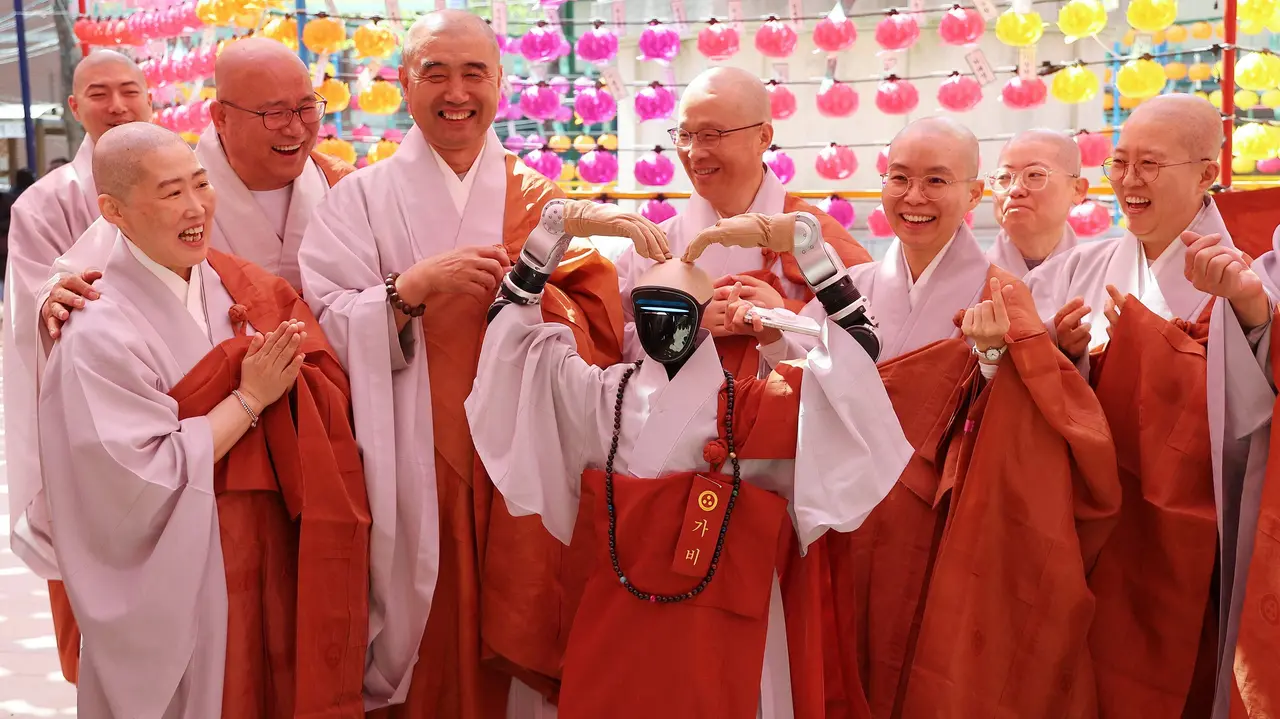
South Korea ordains Gabi, a robot monk, as Buddhist sect tackles declining faith
07 May 2026•Entertainment and Society
Churches Turn to AI Chatbots as Digital Faith Tools Emerge Amid Religious Decline
13 Nov 2025•Entertainment and Society

Recent Highlights


Recent Highlights
Today's Top Stories








Don’t drown in AI news. We cut through the noise - filtering, ranking and summarizing the most important AI news, breakthroughs and research daily. Follow topics that matter to you and stay ahead.


