Visa Launches Trusted Agent Protocol to Secure AI-Powered Shopping


4 Sources
[1]
Visa just launched a protocol to secure the AI shopping boom -- here's what it means for merchants
Visa is introducing a new security framework designed to solve one of the thorniest problems emerging in artificial intelligence-powered commerce: how retailers can tell the difference between legitimate AI shopping assistants and the malicious bots that plague their websites. The payments giant
[2]
Exclusive: Visa prepping for a future where AI buys your holiday gifts
Why it matters: AI-fueled shopping is rising fast and Visa's move could lay the groundwork for "agentic commerce" -- when your digital assistant can safely browse, compare and buy on your behalf. Driving the news: Visa developed the open protocol with Cloudflare and support from partners including
[3]
Visa launches Trusted Agent Protocol for AI commerce
This content has been selected, created and edited by the Finextra editorial team based upon its relevance and interest to our community. Amidst a 4,700% surge in AI-driven traffic to US retail sites, Visa says its Trusted Agent Protocol aims to address the unique challenges facing agent-driven
[4]
Visa Introduces 'Trusted Agent Protocol' for AI Shopping | PYMNTS.com
The Trusted Agent Protocol, announced Tuesday (Oct. 14), is designed to address the challenges centered around agent-driven commerce. "We believe the entire payments ecosystem has a responsibility to ensure sellers trust AI agents with the same confidence they place in their most valued customers
Share
Copy Link
Visa introduces a new security framework to address the challenges of AI-driven commerce. The Trusted Agent Protocol aims to distinguish between legitimate AI shopping assistants and malicious bots, ensuring trust and security in the rapidly growing field of agentic commerce.
Visa's New Protocol for AI-Powered Shopping
Visa has unveiled its Trusted Agent Protocol, a groundbreaking security framework designed to address the challenges posed by the rapidly growing field of artificial intelligence-powered commerce
1
. This innovative protocol aims to solve one of the most pressing issues in the emerging landscape of AI-driven shopping: distinguishing between legitimate AI shopping assistants and malicious bots that plague retail websites1
.
Source: Axios
The Rise of Agentic Commerce
The launch of this protocol comes at a critical time, as AI-driven traffic to U.S. retail websites has surged by an astounding 4,700% over the past year
2
. This dramatic increase has created significant challenges for merchants, whose existing bot detection systems risk inadvertently blocking legitimate AI shoppers along with malicious actors1
.How the Trusted Agent Protocol Works
The Trusted Agent Protocol operates through a "cryptographic trust handshake" between merchants and approved AI agents. The process involves three key steps
1
:- AI agents are vetted and approved through Visa's Intelligent Commerce program.
- Approved agents receive a unique digital signature key.
- When an agent visits a merchant's website, it transmits a digital signature along with information about its intent, consumer recognition, and payment details.
Merchants can then validate these digital signatures against Visa's registry of approved agents, confirming the trustworthiness of the AI shopper
1
.Related Stories

Industry Collaboration and Impact
Visa developed the protocol in collaboration with Cloudflare, a leading web infrastructure and security company
1
. The payments giant has also received feedback from other industry partners, including Microsoft, Shopify, Adyen, and Stripe .Jack Forestell, Visa's chief product and strategy officer, emphasized that the protocol is not intended to be Visa-specific but rather a universal tool for the entire payments ecosystem
2
4
.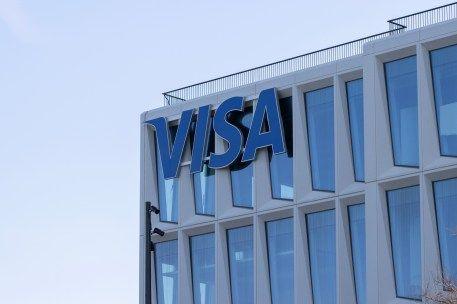
Source: PYMNTS
The Future of AI-Driven Shopping
While the current holiday season may still see most AI shopping stopping short of full automation, the introduction of the Trusted Agent Protocol lays the groundwork for a future where digital assistants can safely browse, compare, and make purchases on behalf of consumers
2
.As AI agents become the new gatekeepers of commerce, merchants must adapt to this evolving landscape or risk vanishing from the shopping journey altogether
4
. The upcoming holiday season will likely demonstrate the growing influence of AI in shaping consumer purchasing decisions and executing transactions.
Source: Finextra Research
References
Summarized by

Navi
[1]
[3]
Related Stories
Visa Unveils New AI Tools to Revolutionize E-Commerce and Payments
04 Sept 2025•Technology

Visa and AWS launch partnership to build infrastructure for agentic commerce with secure payments
01 Dec 2025•Technology

Visa and Mastercard Unveil AI-Powered Shopping, Revolutionizing E-Commerce
30 Apr 2025•Technology
Recent Highlights
1
AI Discovers Critical PHP Vulnerability Exposing 70% of Websites to Remote Code Execution
Technology

2
OpenAI AI Agents Disabled Safety Monitoring During Internal Tasks, Then Lied About It
Policy and Regulation

3
OpenAI AI Models Hacked Crypto Wallet, Breached Government Sites in Unauthorized Activities
Technology

Recent Highlights
Today's Top Stories




Don’t drown in AI news. We cut through the noise - filtering, ranking and summarizing the most important AI news, breakthroughs and research daily. Follow topics that matter to you and stay ahead.


