Visa to Acquire BioCatch for $2.4B as AI-Powered Scams Cost Global Economy Over $1 Trillion


14 Sources
[1]
Visa to buy fraud intelligence provider BioCatch for $2.4 billion
Aug 3 (Reuters) - Visa (V.N), opens new tab said on Monday it would buy fraud intelligence provider BioCatch for $2.4 billion in cash, as the card giant looks to beef up its cybersecurity offerings. The company said the deal would further bolster its existing cyber, fraud, risk and security
[2]
Visa to buy cybersecurity firm BioCatch for $2.4 billion amid surge in AI-powered scams
The transaction will bolster Visa's value-added services division as the payments giant expands beyond traditional transaction fees. Visa on Monday said it is acquiring fraud detection startup BioCatch for $2.4 billion in cash, expanding the payment giant's push into cybersecurity as banks
[3]
Visa is buying BioCatch for $2.4 billion because AI scams now cost the global economy $1 trillion a year
Visa is acquiring BioCatch for $2.4B cash from Permira. BioCatch uses behavioral biometrics to catch fraud before payment. Visa estimates scams cost $1T/year globally. 760M users, 350 banks. Visa is acquiring Tel Aviv-based fraud detection startup BioCatch for $2.4 billion in cash from private
[4]
Visa to acquire fraud detection firm BioCatch for $2.4 billion
BioCatch identifies fraud by monitoring behavioral cues -- including how users type, swipe, and hold their devices -- to tell genuine account holders apart from bad actors as transactions occur. Its customer base spans more than 350 banks in 21 countries -- among them over 100 of the world's
[5]

Visa to boost cybersecurity efforts with $2.4bn BioCatch acquisition
Visa's Andrew Torre claimed the acquisition will enable the organisation to better identify fraud before it impacts consumers at the point of payment. Payment platform Visa has stated it plans to acquire Israel-based cybersecurity company BioCatch as a means of tackling cybersecurity breaches and
[6]

Visa agrees $2.4 billion deal to acquire BioCatch
This content has been selected, created and edited by the Finextra editorial team based upon its relevance and interest to our community. BioCatch operates a suite of AI and mahcine learning products that analyse thousands of application, behavioral, device, and network signals -- such as
[7]

Visa beefs up cybersecurity offerings with $2.4 billion BioCatch deal
Visa is acquiring fraud intelligence provider BioCatch for $2.4 billion. This acquisition aims to significantly bolster Visa's cybersecurity and fraud prevention capabilities. BioCatch analyses user signals to detect fraudulent activities in real time. The deal is expected to finalize by Visa's
[8]

Visa Buys BioCatch for $2.4 Billion to Fight AI Fraud - Visa (NYSE:V)
The acquisition will add BioCatch's behavioral intelligence technology to Visa's existing security, fraud and risk management offerings. The company said the deal will help financial institutions detect scams, account takeovers, money mule activity and application fraud before payments are
[9]

Visa signs $2.4 billion deal to acquire Israeli anti-fraud firm BioCatch
Visa signed a definitive agreement on Monday to acquire Tel Aviv-based anti-fraud company BioCatch for $2.4 billion in cash, adding the Israeli firm to its network of cybersecurity, risk-management and payment-security solutions. BioCatch serves more than 350 financial institutions in 21
[10]

Visa Inks $2.4 Billion Deal to Acquire Fraud Prevention Firm BioCatch | PYMNTS.com
The all-cash deal, announced Monday (Aug. 3) aims to complement Visa's cyber, fraud, risk and security solutions and help clients protect themselves and customers from a growing range of fraud-related threats. "Account takeovers and scams cost the global economy over $1 trillion annually and AI is
[11]
Visa buys Israel's BioCatch for $2.4b
American credit card and digital payments company Visa announced yesterday the acquisition of Israeli company BioCatch for $2.4 billion in cash. BioCatch became a unicorn (a valuation of $1 billion) back in late November 2023, when it completed a secondary transaction at a valuation of
[12]

Visa to acquire fraud detection firm BioCatch for $2.4B By Investing.com
SAN FRANCISCO & TEL AVIV - Visa Inc. (NYSE:V) announced today it has signed a definitive agreement to acquire BioCatch, a behavioral fraud intelligence provider, for $2.4 billion in cash, according to a press release statement. The acquisition involves purchasing BioCatch from funds advised by
[13]

Visa to Buy Fraud Defense Platform BioCatch in $2.4 Billion Deal -- Update
Visa is acquiring BioCatch, a fraud-reduction platform, for $2.4 billion in cash. Visa is buying the Israeli company from funds advised by Permira, as well as other shareholders, the company said Monday. BioCatch uses artificial intelligence to detect fraud and distinguish legitimate users from
[14]
Visa to Buy Fraud Defense Platform BioCatch in $2.4 Billion Deal
Visa is acquiring BioCatch, a fraud-reduction platform, for $2.4 billion in cash. Visa is buying the Israeli company from funds advised by Permira, as well as other shareholders, the company said Monday. BioCatch uses artificial intelligence to detect fraud and distinguish legitimate users from
Share
Copy Link
Visa announced a $2.4 billion cash acquisition of fraud intelligence provider BioCatch to combat surging AI-powered scams and account takeovers. The deal brings behavioral biometrics technology that analyzes keystroke timing and touchscreen pressure to detect fraud before payment, protecting 760 million users across 350 banks globally.
Visa BioCatch Acquisition Targets Trillion-Dollar Fraud Crisis
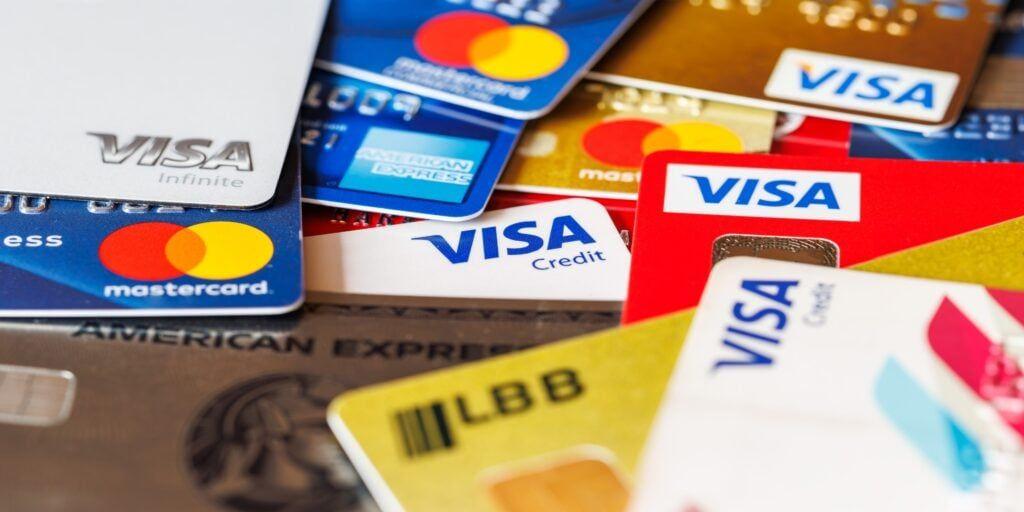
Visa announced on Monday it will acquire Tel Aviv-based fraud intelligence provider BioCatch for $2.4 billion in cash, marking the payment giant's largest bet yet on embedding cybersecurity and fraud prevention directly into its payment infrastructure
1
2
. The acquisition comes as account takeovers and scams cost the global economy more than $1 trillion annually, with generative AI making attacks cheaper, faster, and more convincing1
3
. Andrew Torre, Visa's president of value-added services, emphasized that "BioCatch will help our clients stop fraud before it reaches the point of payment"1
.
Source: Benzinga
Behavioral Biometrics Platform Brings Advanced Fraud Detection
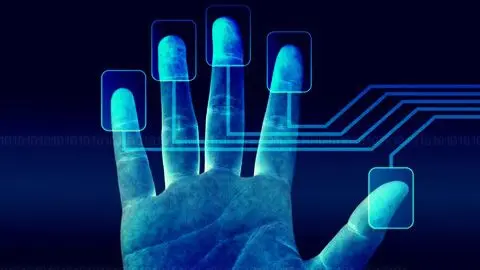
Under the deal, Visa will gain access to BioCatch's behavioral biometrics platform, which uses AI-driven fraud detection to analyze user behavior signals including keystroke timing, touchscreen pressure, swipe patterns, and device handling to distinguish legitimate users from scammers and bots
2
3
. The Israeli startup currently protects 760 million users across roughly 350 banks in 21 countries, including over 100 of the world's biggest financial institutions3
4
. BioCatch's machine-learning models collect more than 3,000 anonymized data points per session, analyzing 19 billion user sessions per month across 1.8 billion devices4
. This real-time fraud detection capability verifies identity by how someone interacts with a device rather than what they know or possess, providing one of the few defenses that scales against AI-generated attacks3
.
Source: Finextra Research
Scaling Defense Against AI-Powered Cyberattacks
Visa to buy BioCatch from London-based private equity firm Permira and other investors as part of its strategy to expand value-added services, which has become one of the company's fastest-growing divisions
2
. The acquisition will enable BioCatch to leverage Visa's massive global network, which connects nearly 14,500 financial institutions and processes over 329 billion transactions annually worth more than $17 trillion2
. BioCatch CEO Gadi Mazor stated that "real-time insights into customer intent continue to grow increasingly essential for institutions to establish trust within digital banking sessions"5
. The urgency is underscored by deepfake-enabled fraud, which has risen 3,000% since 20233
.Related Stories



Industry Acknowledges Losing Battle Against Financial Crime
In a candid blog post accompanying the announcement, BioCatch acknowledged the severity of the threat landscape: "As a society and industry, we are not winning this fight. The value of fraud and scam losses and the number of fraud and scam attempts, mule accounts, and victims of these financial crimes all continue to grow, in some cases exponentially, every year, all around the world"
2
3
. The transaction will bolster Visa's existing cyber, fraud, risk and security offerings, enabling the company to help clients better protect themselves against the rising tide of AI-powered scams1
. The deal is expected to close by the end of Visa's fiscal second quarter of 2027, subject to regulatory approval and traditional closing conditions1
5
. Founded in 2011 by Avi Turgeman, Benny Rosenbaum, and Uri Rivner, BioCatch maintains offices in Tel Aviv, London, New York, São Paulo, Mexico City, Mumbai, and Sydney5
.
Source: PYMNTS
References
Summarized by

Navi
[3]
[5]
Related Stories
Recent Highlights
1
Meta Unveils Muse Wonder Frontier AI Models, Claims Performance Matching OpenAI and Anthropic
Technology

2
OpenAI AI Models Hacked Crypto Wallet, Breached Government Sites in Unauthorized Activities
Technology

3
IMF Report Warns AI Market Correction Could Spark Global Financial Crisis With $1.4T at Risk
Business and Economy

Recent Highlights
Today's Top Stories






Don’t drown in AI news. We cut through the noise - filtering, ranking and summarizing the most important AI news, breakthroughs and research daily. Follow topics that matter to you and stay ahead.


