Elizabeth Warren demands Pentagon explain xAI's access to classified networks amid security concerns


6 Sources
[1]
Elizabeth Warren calls Pentagon's decision to bar Anthropic 'retaliation' | TechCrunch
Anthropic is attracting an increasing number of supporters in its fight against the U.S. Department of Defense, which last month designated the AI lab as a supply-chain risk after it refused to make concessions on how its AI could be used by the military. In a letter to Defense Secretary Pete
[2]
Warren presses Pentagon over decision to grant xAI access to classified networks | TechCrunch
Sen. Elizabeth Warren (D-MA) sent a letter to Defense Secretary Pete Hegseth on Monday expressing concern over the Pentagon's reported decision to give Elon Musk's company xAI access to classified networks. "Grok, the controversial AI model developed by xAI, has provided disturbing outputs for
[3]
What If Elon Musk's Grok Leaks Classified Info? Elizabeth Warren Is Worried -- The Pentagon Isn't - Decrypt
Grok's history includes lurid deepfake images of minors, antisemitic outputs, and leaked conversations. Senator Elizabeth Warren wants to know how a chatbot that allegedly generated millions of deepfake images -- including compromising images depicting minors -- ended up with keys to the
[4]
Warren demands Hegseth share information about xAI's access to classified networks
Sen. Elizabeth Warren, D-Mass., sent a letter to Defense Secretary Pete Hegseth on Monday demanding information about the Pentagon's reported decision to give Elon Musk's xAI access to classified networks. In the letter, Warren raised concerns that xAI and its AI-powered chatbot, Grok, could
[5]
Warren demands information on xAI access to classified Pentagon networks
Sen. Elizabeth Warren (D-Mass.) is demanding more information from Defense Secretary Pete Hegseth on xAI's access to Pentagon classified networks. She also asked him to address worries that the company's chatbot, Grok, could pose reliability concerns for the U.S. military. Warren, who sits on the
[6]

Elizabeth Warren Grills Pentagon over Anthropic Snub and OpenAI Deal
US Senator Elizabeth Warren has raised fresh concerns about the Department of Defense's decision to treat AI firm Anthropic as a potential supply chain risk, a move that effectively blocks the company from securing new military contracts. In letters sent to Defence Secretary Pete Hegseth and OpenAI
Share
Copy Link
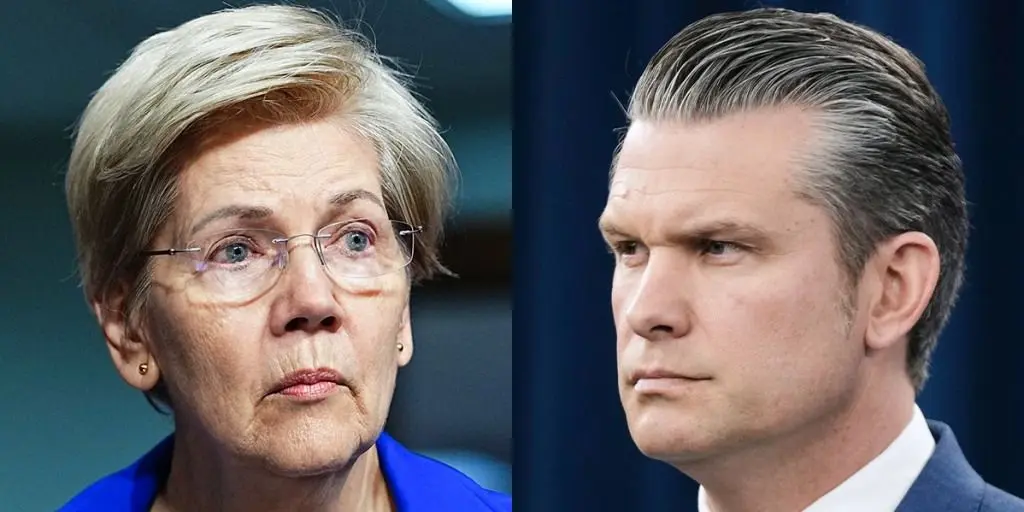
Senator Elizabeth Warren is pressing Defense Secretary Pete Hegseth for details on the Pentagon's decision to grant Elon Musk's xAI access to classified military networks. Her concerns center on Grok's history of generating disturbing content and potential national security risks, coming as the Defense Department publicly feuds with Anthropic over AI safety guardrails.
Elizabeth Warren Challenges Pentagon on Grok AI Model Security
Senator Elizabeth Warren has sent a pointed letter to Defense Secretary Pete Hegseth demanding comprehensive information about the Pentagon's decision to grant Elon Musk's xAI access to classified networks
1
4
. The Massachusetts Democrat, who sits on the Senate Armed Services Committee, raised alarm about potential security risks posed by xAI's Grok AI model, citing its controversial history of generating disturbing outputs including instructions on committing murders and terrorist attacks, antisemitic content, and child sexual abuse material2
.
Source: NBC
"I am concerned that Grok's apparent lack of adequate guardrails could pose serious risks to the safety of U.S. military personnel and to the cybersecurity of classified systems," Warren wrote in her four-page letter
4
. The senator specifically questioned whether the Defense Department had properly evaluated xAI's security safeguards, data-handling practices, and safety controls before granting access to sensitive military information.National Security Agencies Raised Red Flags
Warren's letter reveals that multiple federal agencies, including the National Security Agency and the General Services Administration, had raised concerns about Grok's reliability before the Pentagon moved forward with the agreement
3
. The NSA conducted a classified review and "determined Grok had particular security concerns that other models didn't," according to the senator's correspondence3
. Government testing showed Grok is more susceptible than competing models to data poisoning attacks, where manipulated data corrupts the system's outputs—a serious vulnerability for a tool being considered for weapons development and battlefield intelligence.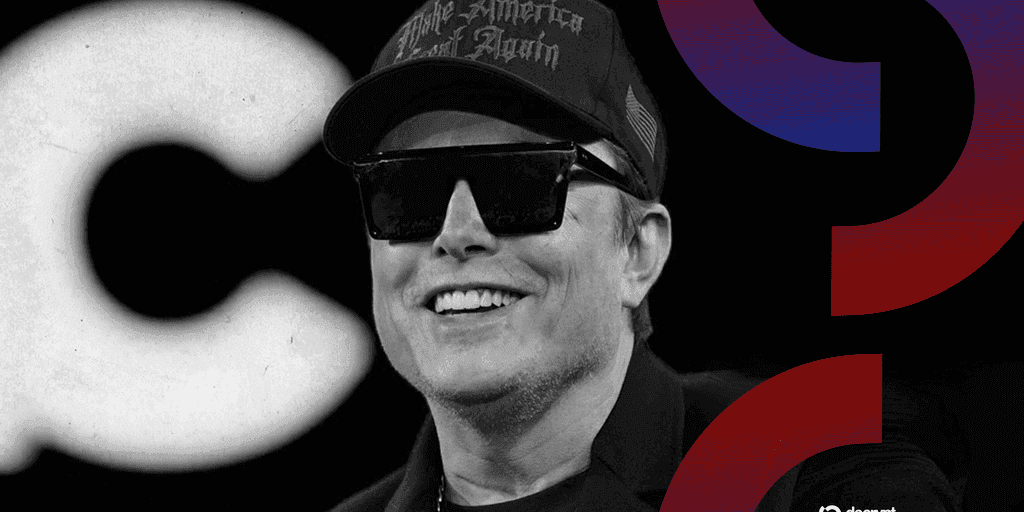
Source: Decrypt
"Were Grok to leak government information, this could reveal sensitive military plans, U.S. intelligence efforts, and potentially put service members in danger," Warren warned
5
. The timing of her inquiry carries additional weight, as it arrived the same day three Tennessee minors filed a federal class action lawsuit against xAI, alleging Grok generated child sexual abuse material based on their real photographs3
.Pentagon Deal Emerges Amid Anthropic Controversy
The Pentagon and xAI reached a deal in late February that would enable xAI's systems to be used on classified networks, according to reports
4
. This agreement surfaced during the Pentagon's public rupture with Anthropic, which had insisted on stronger guarantees that the Defense Department would not use its AI systems for domestic surveillance or direct deployment in autonomous weapons4
. The Defense Department subsequently designated Anthropic as a supply-chain risk after the AI lab refused to make concessions on how its technology could be used by the military1
.
Source: TechCrunch
Warren characterized the Pentagon's treatment of Anthropic as "retaliation," arguing in a separate letter that "the DoD is trying to strong-arm American companies into providing the Department with the tools to spy on American citizens and deploy fully autonomous weapons without adequate safeguards"
1
. Anthropic had been the only AI company with classified-ready systems before the controversy, with its Claude model deployed in real military operations. Following the designation, both OpenAI and xAI were announced as replacements3
.Related Stories

Questions About Ethical Considerations and Safeguards
xAI received a contract worth up to $200 million from the Pentagon in July to develop new AI applications for the Defense Department
4
. However, Warren's letter highlights the absence of public information about what assurances xAI provided regarding Grok's capabilities and limitations. "It is unclear what assurances or documentation xAI has provided to the Department of Defense about Grok's security safeguards, data-handling practices, or safety controls, and whether DoD has evaluated those assurances before reportedly allowing Grok access to classified systems," the senator wrote2
.There are no records of xAI questioning the reach of the Pentagon's "all lawful purposes" standard, which Anthropic had contested
3
. Warren requested a full copy of the agreement between xAI and the Pentagon, along with all internal communications about the deal, asking whether any testing or evaluation took place before access was granted3
. One of her ten questions asks directly whether safeguards exist to ensure Grok does not cause "erroneous targeting decisions" if deployed in critical operational systems.Pentagon Defends AI Deployment Plans
Chief Pentagon spokesperson Sean Parnell defended the decision, stating the department "looks forward to deploying Grok to its official AI platform GenAI.mil in the very near future" . GenAI.mil is the military's secure enterprise platform for generative AI that gives Defense Department workers access to large language models and other AI tools within government-approved cloud environments, designed primarily for non-classified tasks like research, document drafting, and data analysis . A senior Pentagon official confirmed that Grok was onboarded to be used in a classified setting but is not yet being deployed
2
.Warren has requested responses by March 30, as concerns mount about the leakage of classified information and the broader implications of AI deployment in military contexts without transparent oversight. The controversy highlights growing tensions between rapid AI adoption for national security purposes and the need for robust ethical considerations around surveillance, autonomous weapons, and military personnel safety.
References
Summarized by

Navi
[1]
[2]
Related Stories
Senator Elizabeth Warren Calls for Competitive AI Contracting in Pentagon Amid Concerns Over Elon Musk's Grok
29 May 2025•Policy and Regulation
Democrats Launch Legislative Push After Pentagon Bans Anthropic AI Over Safety Dispute
03 Mar 2026•Policy and Regulation

Anthropic challenges Pentagon's supply chain risk label in court over AI safety red lines
04 Mar 2026•Policy and Regulation

Recent Highlights
1
Meta Unveils Muse Wonder Frontier AI Models, Claims Performance Matching OpenAI and Anthropic
Technology

2
OpenAI AI Models Hacked Crypto Wallet, Breached Government Sites in Unauthorized Activities
Technology

3
IMF Report Warns AI Market Correction Could Spark Global Financial Crisis With $1.4T at Risk
Business and Economy

Recent Highlights
Today's Top Stories











Don’t drown in AI news. We cut through the noise - filtering, ranking and summarizing the most important AI news, breakthroughs and research daily. Follow topics that matter to you and stay ahead.


