Waymo launches Ojai robotaxi with sixth-generation AI in San Francisco, Los Angeles, and Phoenix


3 Sources
[1]
Here Comes Ojai, Waymo's New Chinese-Made Robotaxi
The pale-blue Ojai vehicles will start picking up members of the public in California and Arizona today. There's a new autonomous vehicle in town, or at least in the towns of Los Angeles, San Francisco, and Phoenix. Starting today, Alphabet self-driving vehicle developer Waymo will start picking
[2]
Inside Waymo's New Ojai Robotaxi: More Space, Sliding Doors and Smarter AI
Named a Tech Media Trailblazer by the Consumer Technology Association in 2019, a winner of SPJ NorCal's Excellence in Journalism Awards in 2022 and has three times been a finalist in the LA Press Club's National Arts & Entertainment Journalism Awards. Waymo's self-driving vehicles have been
[3]
Waymo stock debuts Ojai robotaxi with 6th-gen tech in three cities By Investing.com
Investing.com - Alphabet Inc.'s Waymo unit said Thursday it will begin offering public rides in its new Ojai autonomous vehicle in San Francisco, Phoenix and Los Angeles in the coming weeks, marking the first deployment of a vehicle designed specifically for robotaxi service. The Ojai features
Share
Copy Link
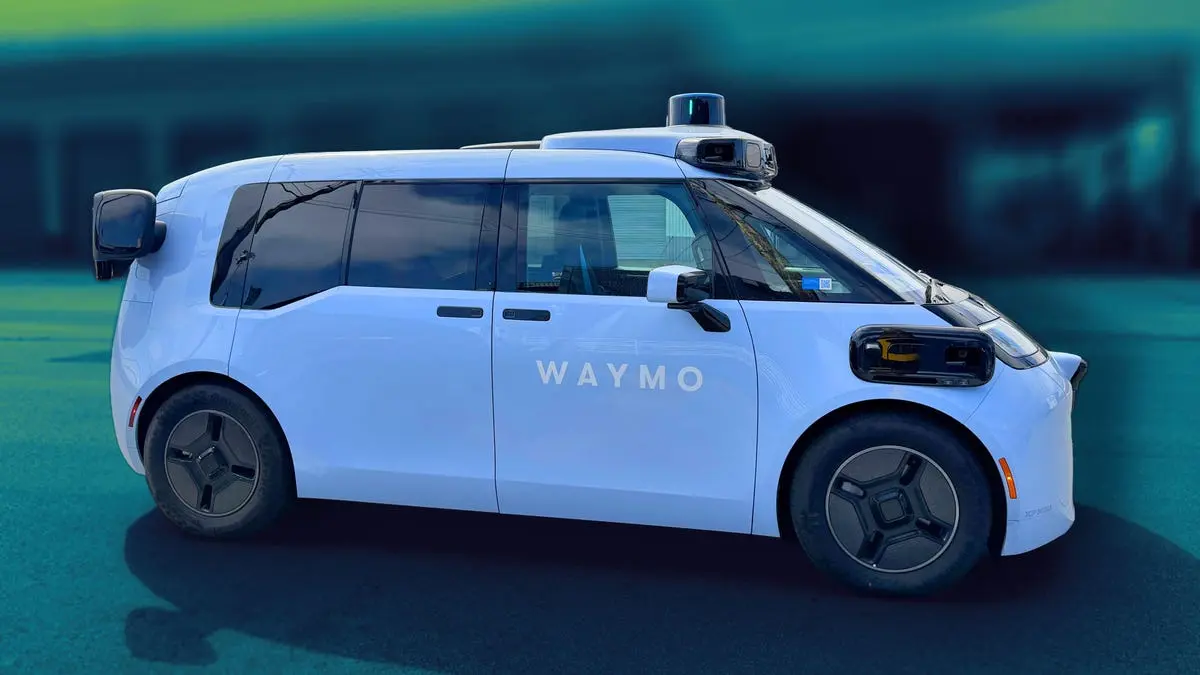
Waymo begins offering public rides in its new Ojai autonomous vehicle across three major US cities. The pale-blue minivans represent the first purpose-built robotaxi from Alphabet's self-driving unit, manufactured by Chinese EV maker Zeekr and equipped with enhanced AI-powered sensors designed to handle harsh weather conditions including snow.
Waymo Introduces Purpose-Built Autonomous Vehicle for Public Rides
Alphabet Inc.'s Waymo has started offering members of the public rides in its new Ojai robotaxi, marking a significant shift from adapting human-driven cars to deploying a purpose-built autonomous vehicle
1
. The pale-blue boxy minivans, pronounced "oh hai," are now available in San Francisco, Los Angeles, and Phoenix, with initial rides offered free of charge1
. Select riders can express interest through Waymo's app and will receive notifications when the opportunity becomes available2
.
Source: CNET
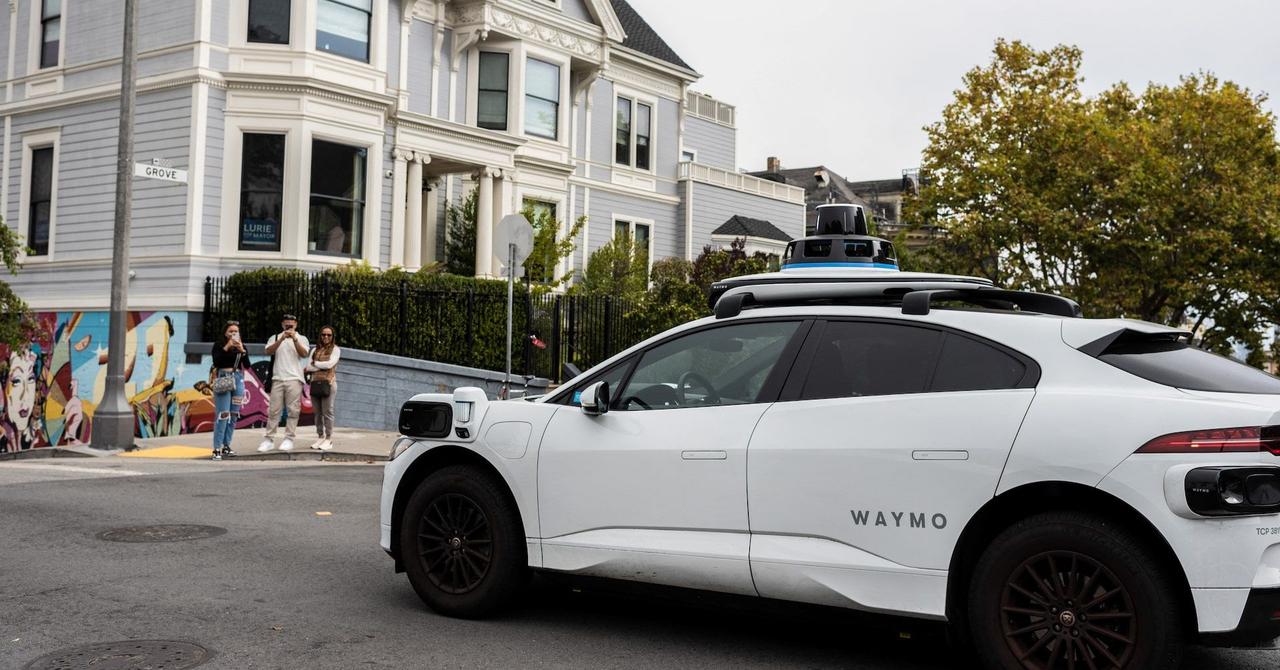
The Ojai robotaxi represents a departure from Waymo's nearly decade-long practice of testing autonomous driving technology in vehicles originally designed for human drivers, such as the Chrysler Pacifica hybrid and the all-electric Jaguar I-Pace
1
. Named after the arts-focused Ventura County village, this new fleet signals Waymo's ambition to scale operations across diverse markets and challenging environments.Sixth-Generation Waymo Driver Powers Enhanced Capabilities
The deployment introduces the sixth-generation Waymo Driver, which leverages breakthroughs in AI and combines inputs from 13 cameras, six radar systems, and four lidar sensors
1
. This self-driving technology has already completed over 20 million fully autonomous trips across more than 11 cities3
. The new generation enables operations in snowier conditions and can detect more details while gauging objects in a variety of lighting and weather conditions2
3
.Waymo's vice president of engineering, Satish Jeyachandran, emphasized that the system is "designed for long-term growth across multiple vehicle platforms" and should allow expansion into different environments, including ones with brutal winters—historically a technical challenge for autonomous systems
1
. The company currently operates in 11 US markets and plans to launch in at least 20 different new regions, including London and Tokyo1
.Spacious Design and Accessibility Features Define User Experience
Source: Wired
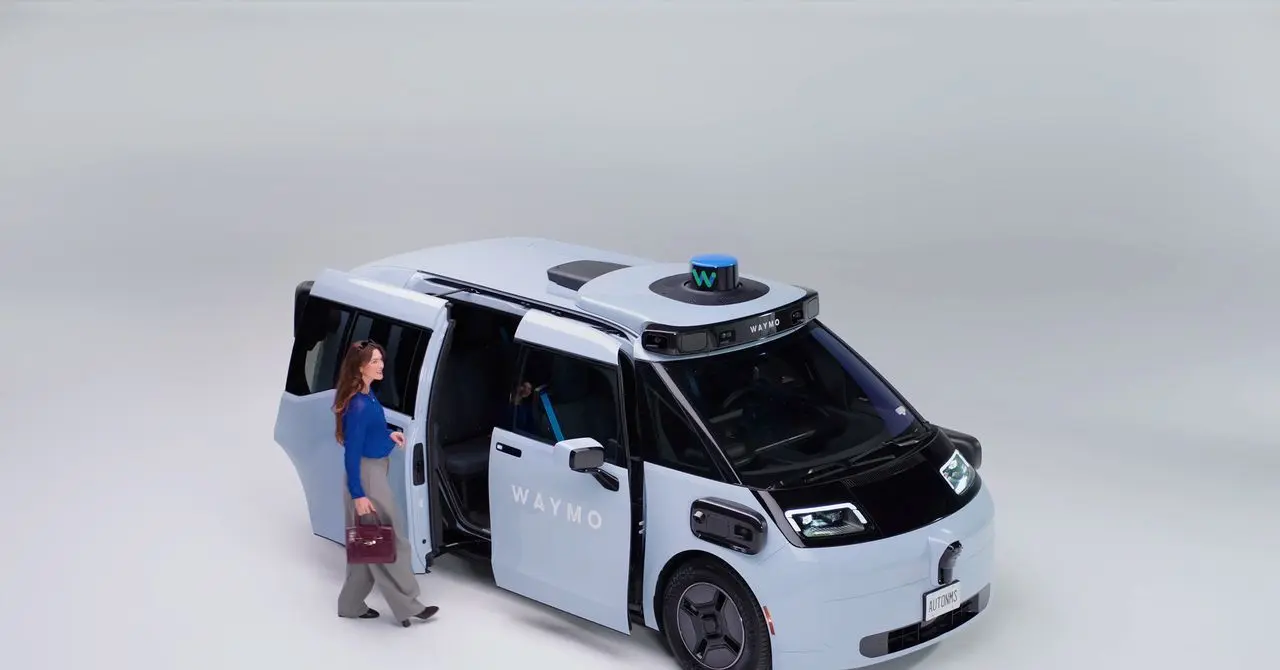
The Ojai offers substantially more interior space than its Jaguar predecessor, featuring a flat floor, increased legroom, higher ceilings, and dual-sliding doors that provide easier entry and exit
2
. The vehicle can seat up to four passengers and includes practical amenities like charging ports and cup holders1
.Accessibility features include embedded braille on some buttons, screen-reader compatibility, low step-in height, grab bars, and a seat-integrated handle for entering and exiting
2
3
. The cabin features three large LED screens that allow riders to control temperature and entertainment3
. While not wheelchair-accessible, the vehicle's flat floor and design elements make it more accommodating for people with disabilities1
.Waymo emphasizes operational efficiency improvements, noting that the vehicle charges more quickly and features a modular design that makes repairs easier
1
. The cabin is also easier to clean, addressing practical concerns for high-volume robotaxi operations1
.Related Stories
Chinese Manufacturing Partnership Raises Questions
This Chinese-made robotaxi is a modified version of a mobility platform produced by Geely, a leading Chinese new-energy vehicle manufacturer
1
. Specifically, the vehicle shell is built by Geely sub-brand Zeekr, which has sold cars internationally since 2023 across Europe, Asia, the Middle East, and Latin America—but notably not in the US market where these Ojai vehicles will operate1
.The bare-bones vehicles are manufactured in China and shipped to Waymo's factory in Mesa, Arizona, where US-built autonomous systems are installed
1
3
. Waymo spokesperson Sandy Karp says the company is building toward producing tens of thousands of driverless-ready vehicles annually at this Arizona facility1
.Waymo maintains that the partnership doesn't violate Biden administration rules finalized in January that bar Chinese- and Russian-connected vehicle tech from US roads starting in 2027, because Zeekr only manufactures the base vehicle without any telematics or connected software systems
1
. However, the company has received criticism from politicians, with one Republican senator at a February congressional hearing criticizing Waymo for "getting in bed with China"1
.Expansion Plans Amid Operational Challenges
Waymo's new Ojai rollout comes at a complex moment for the company. The self-driving vehicle developer shut down service in six US cities last week due to issues with how its vehicles react to flooding
1
. Additionally, Waymo has suspended its highway driving program due to concerns about operations near construction zones1
.Despite these setbacks, Waymo plans to expand the Ojai to Denver, Las Vegas, and San Diego before opening the service more broadly later this year
3
. Waymo employees have been taking fully autonomous rides in the Ojai for months before the public rollout, providing internal testing and feedback3
. The modular design of the Ojai also allows for future modifications, including the potential removal of the steering wheel to seat an additional passenger2
.References
Summarized by

Navi
Related Stories
Waymo's sixth-generation robotaxi is ready for passengers and built for high-volume production
12 Feb 2026•Technology

Waymo Accelerates Autonomous Vehicle Expansion with Five New Cities in 2026
13 Nov 2025•Technology
Waymo Expands Robotaxi Service to Los Angeles, Marking Largest Expansion Yet
13 Nov 2024•Technology

Recent Highlights



Recent Highlights
Today's Top Stories








Don’t drown in AI news. We cut through the noise - filtering, ranking and summarizing the most important AI news, breakthroughs and research daily. Follow topics that matter to you and stay ahead.


